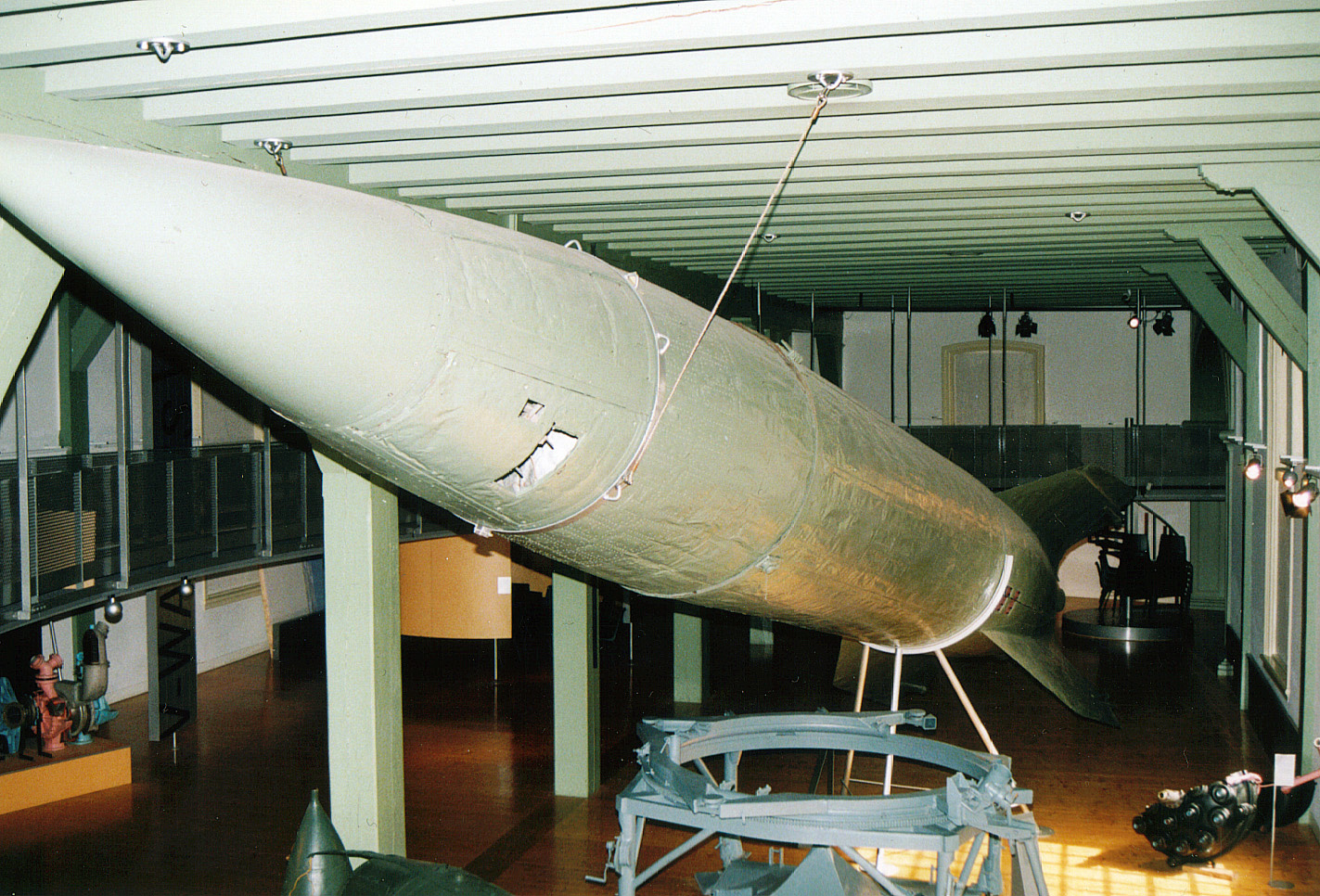
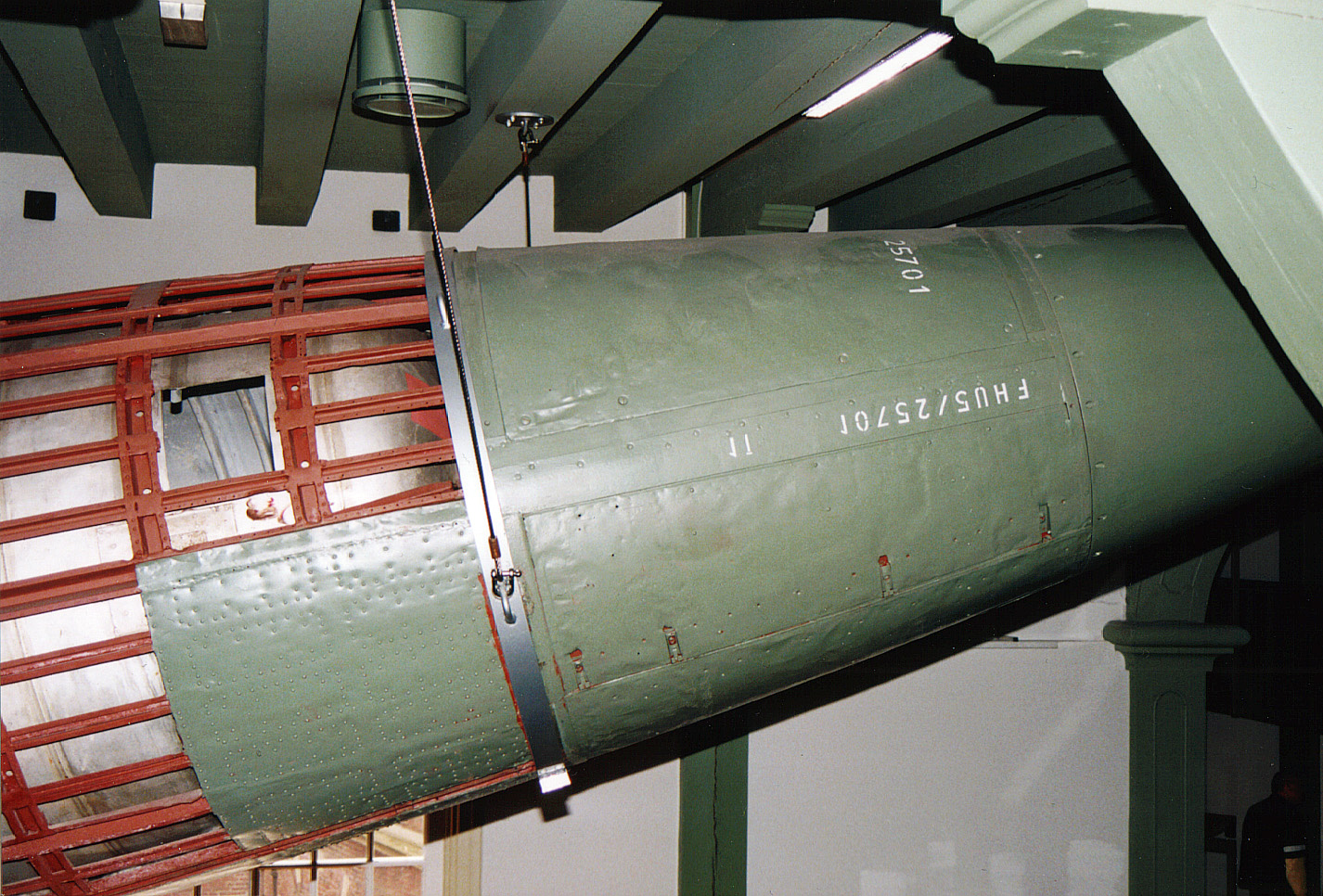
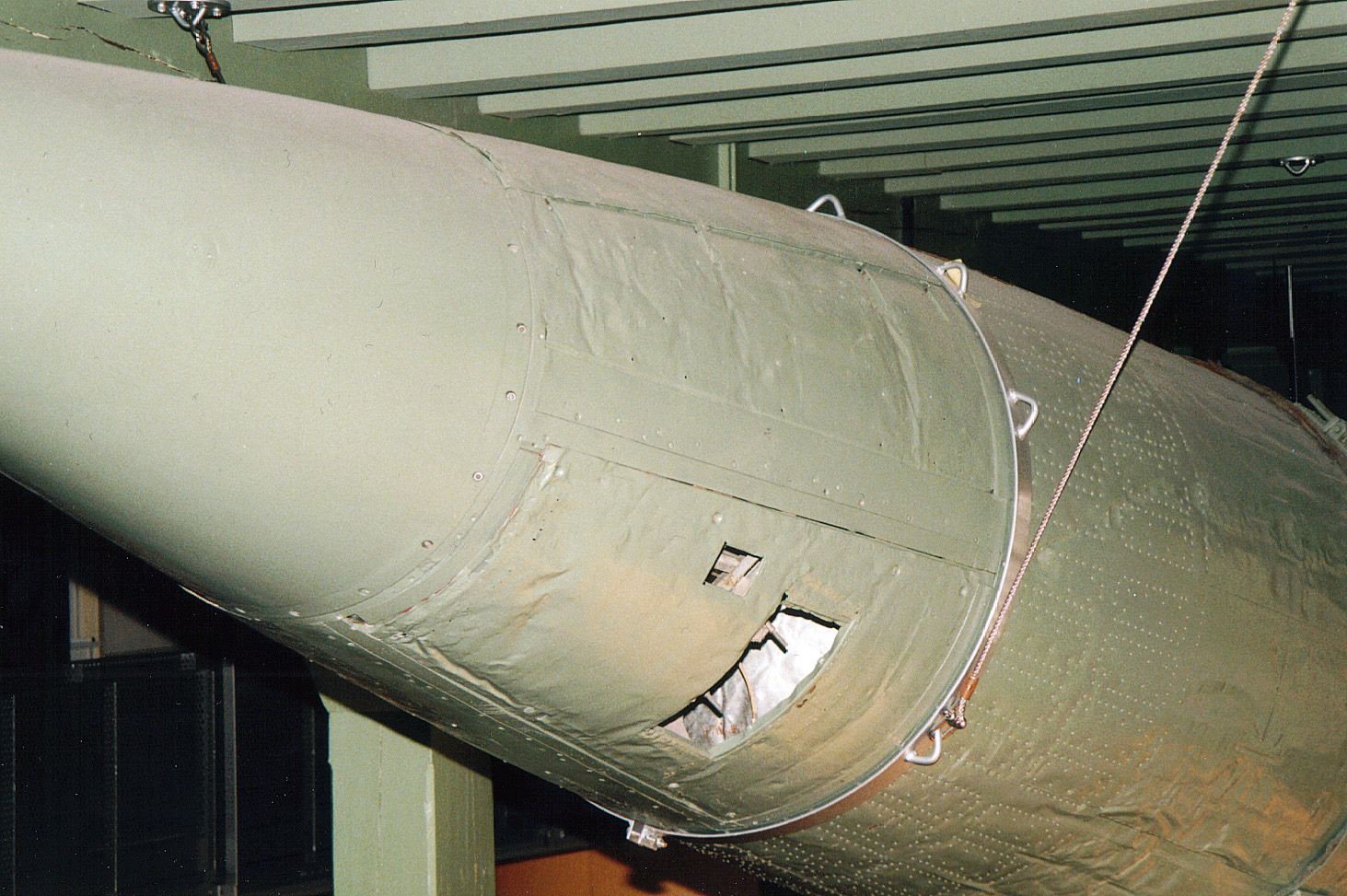
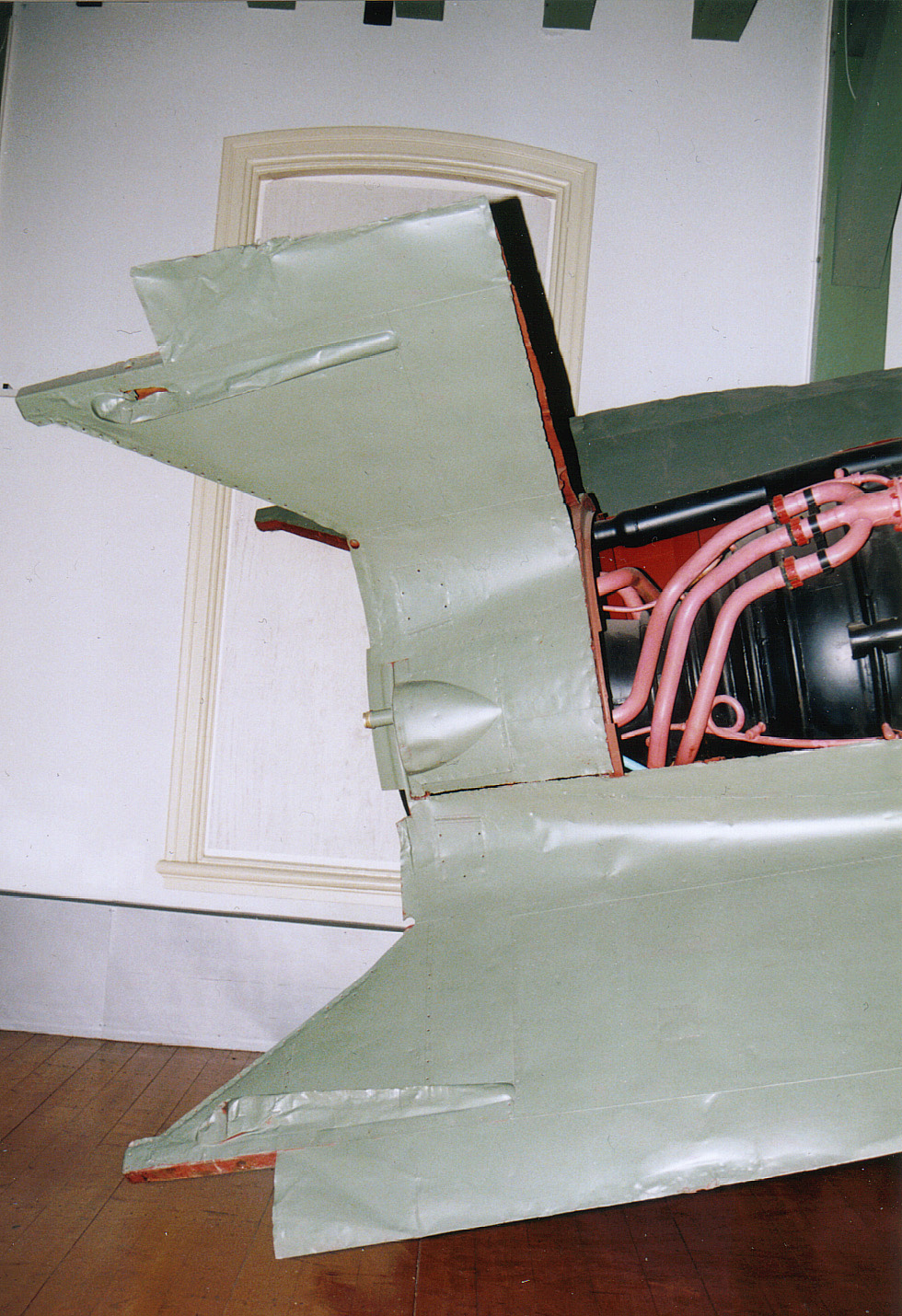
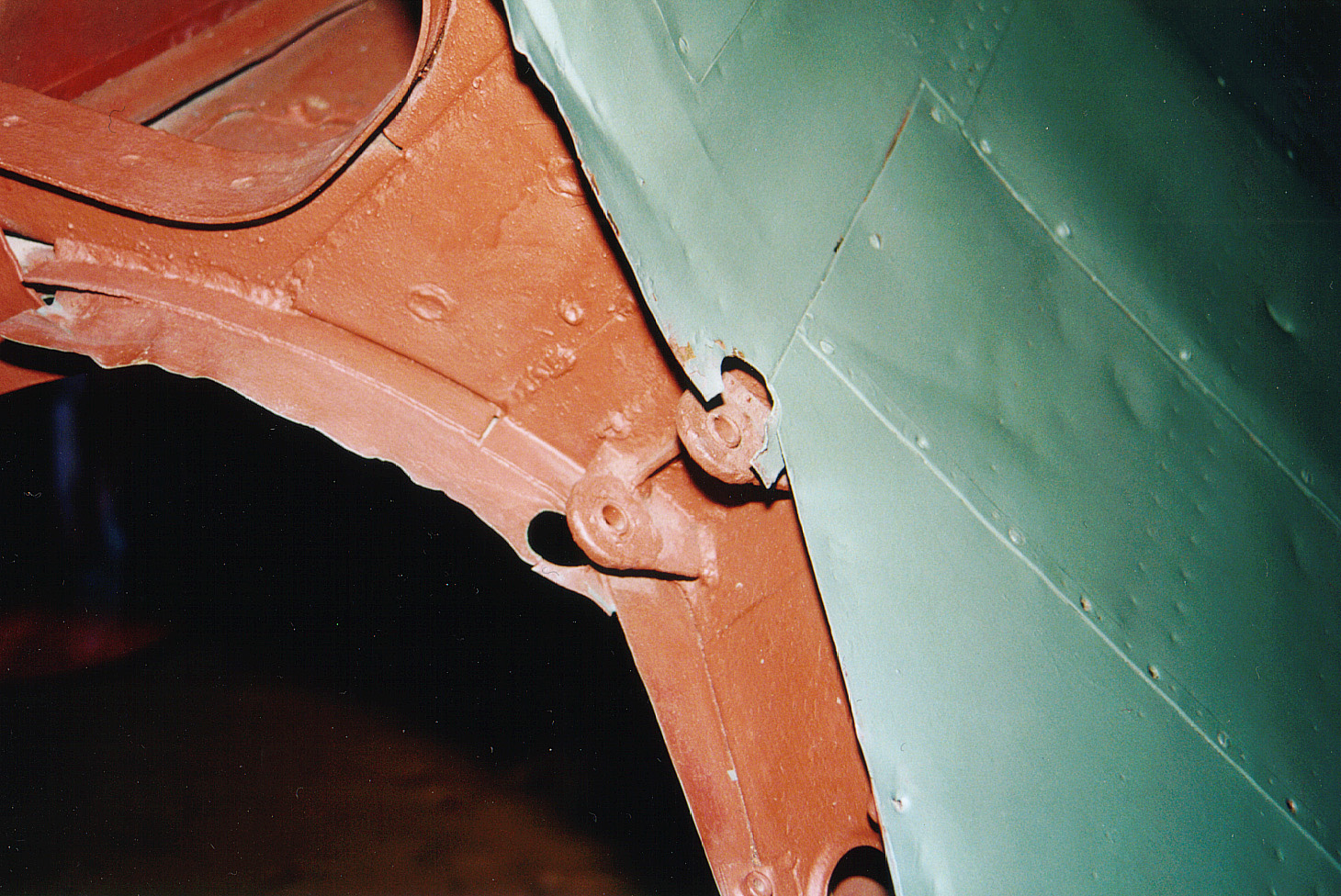
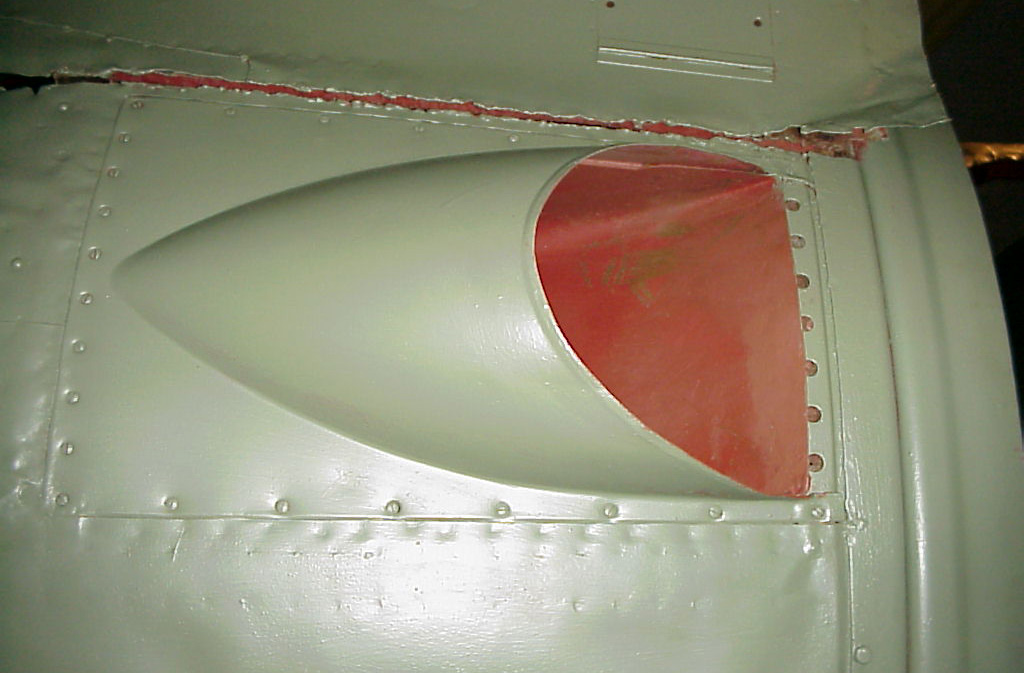
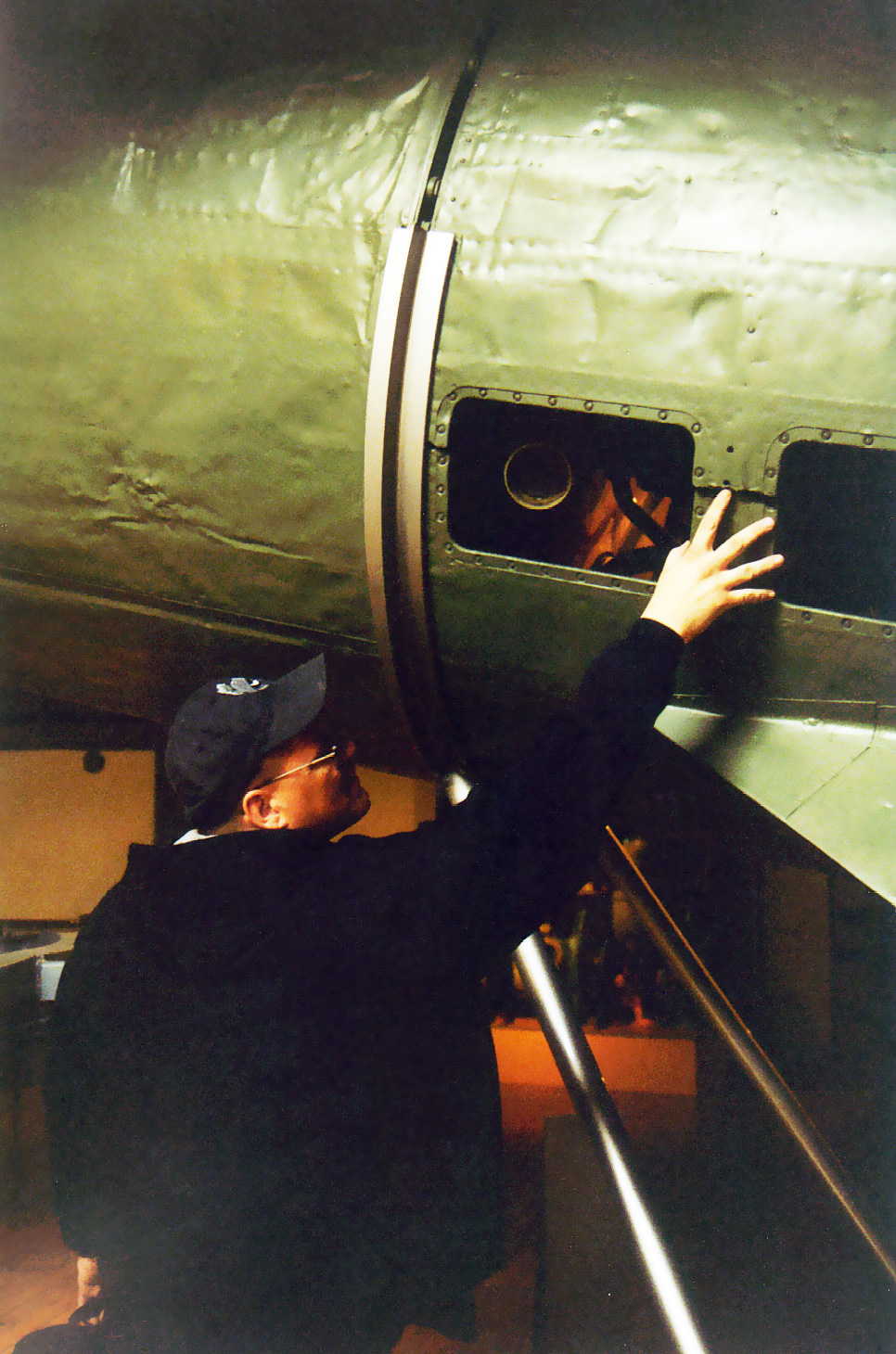
A-4/V-2 Rocket Display -
National Military Museum,
Soesterberg, Netherlands
Photos
Ed Straten,
Bert Koopman, Volker Pelz, Henk
Koopman and Tracy Dungan
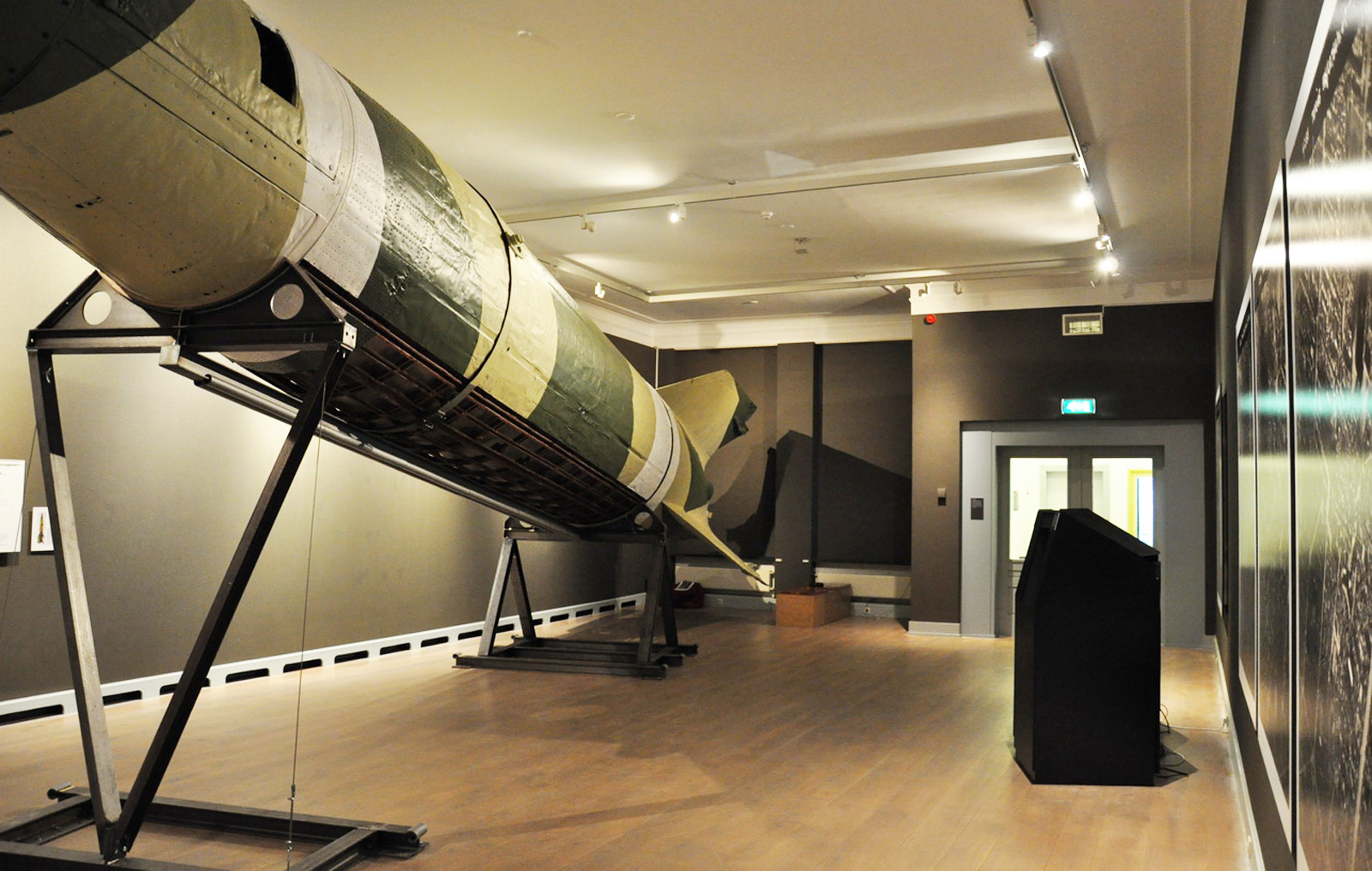
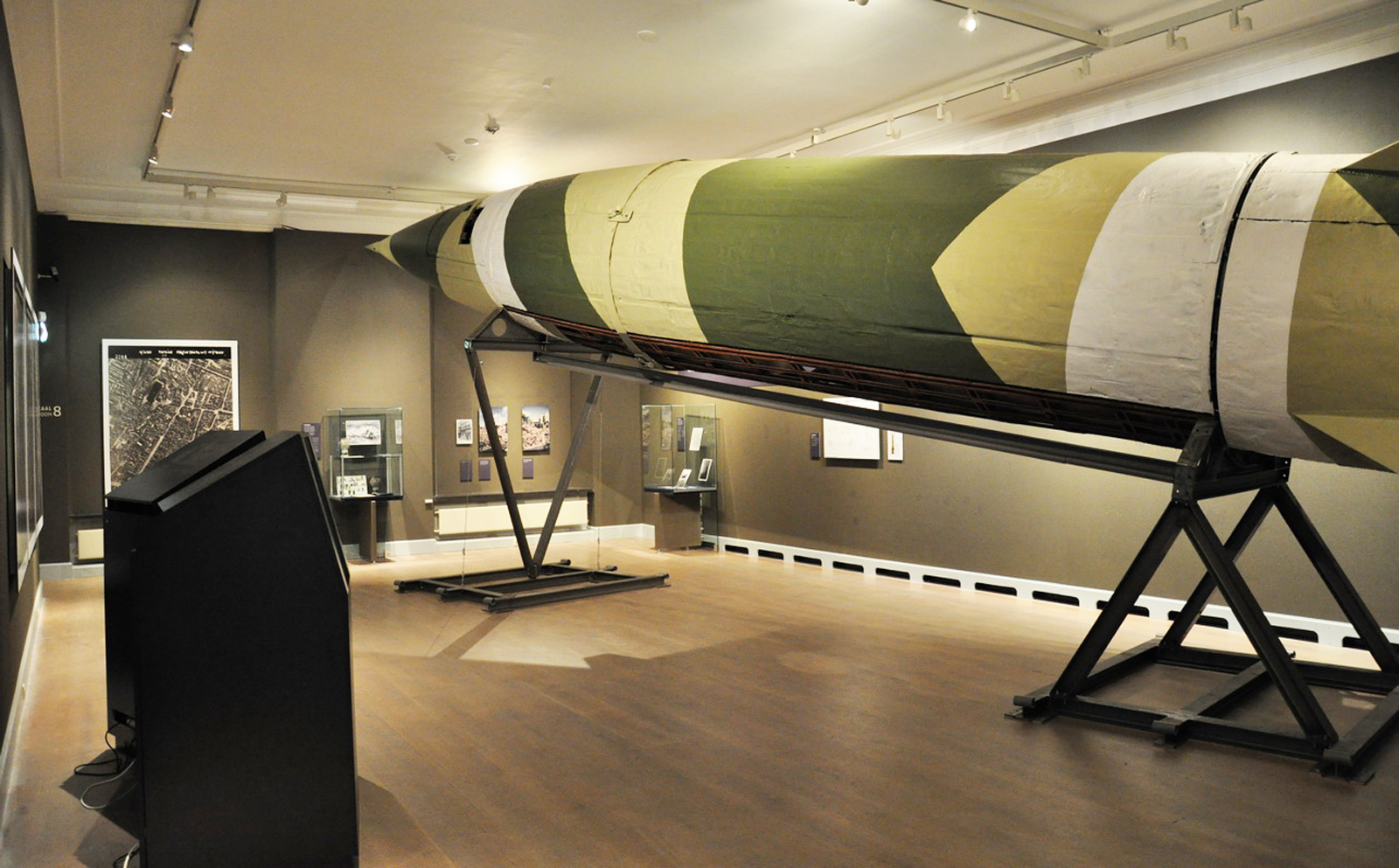
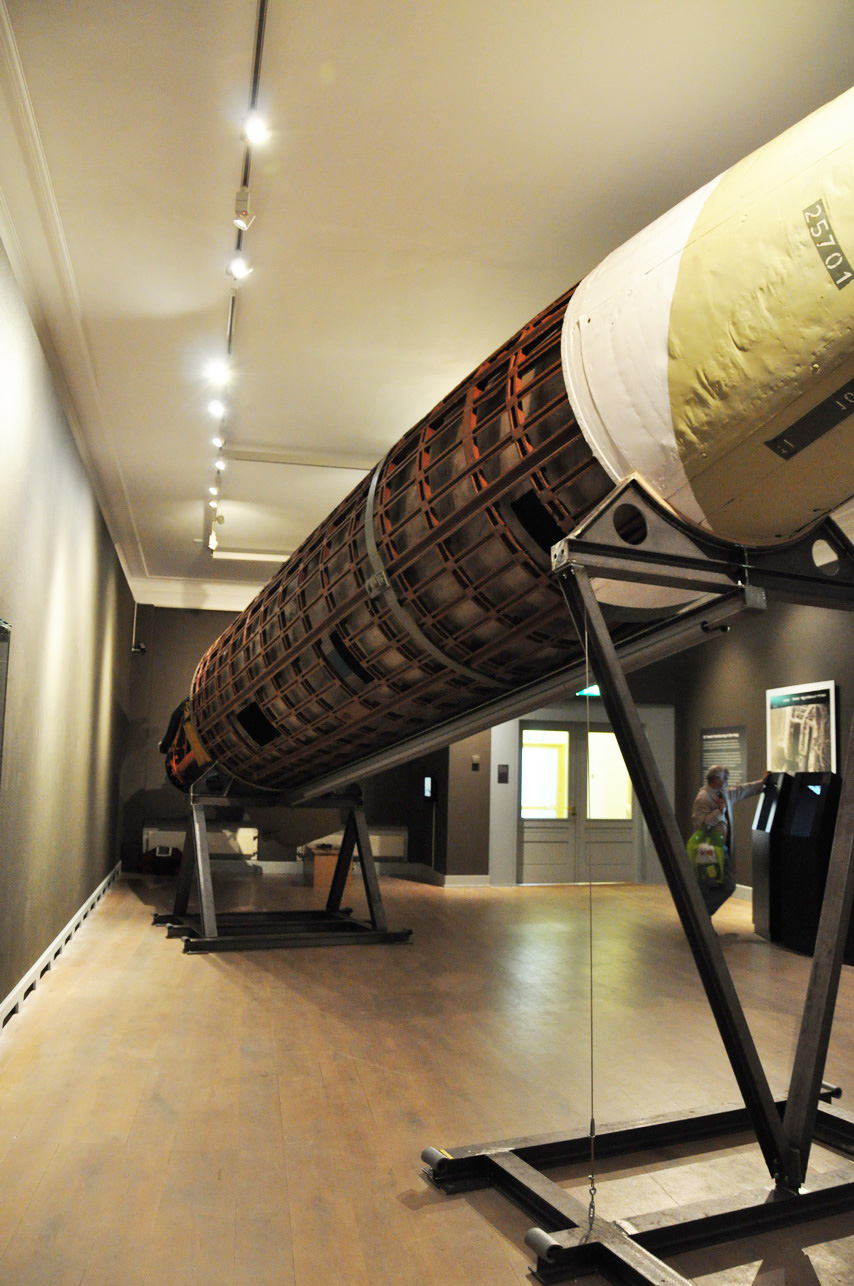
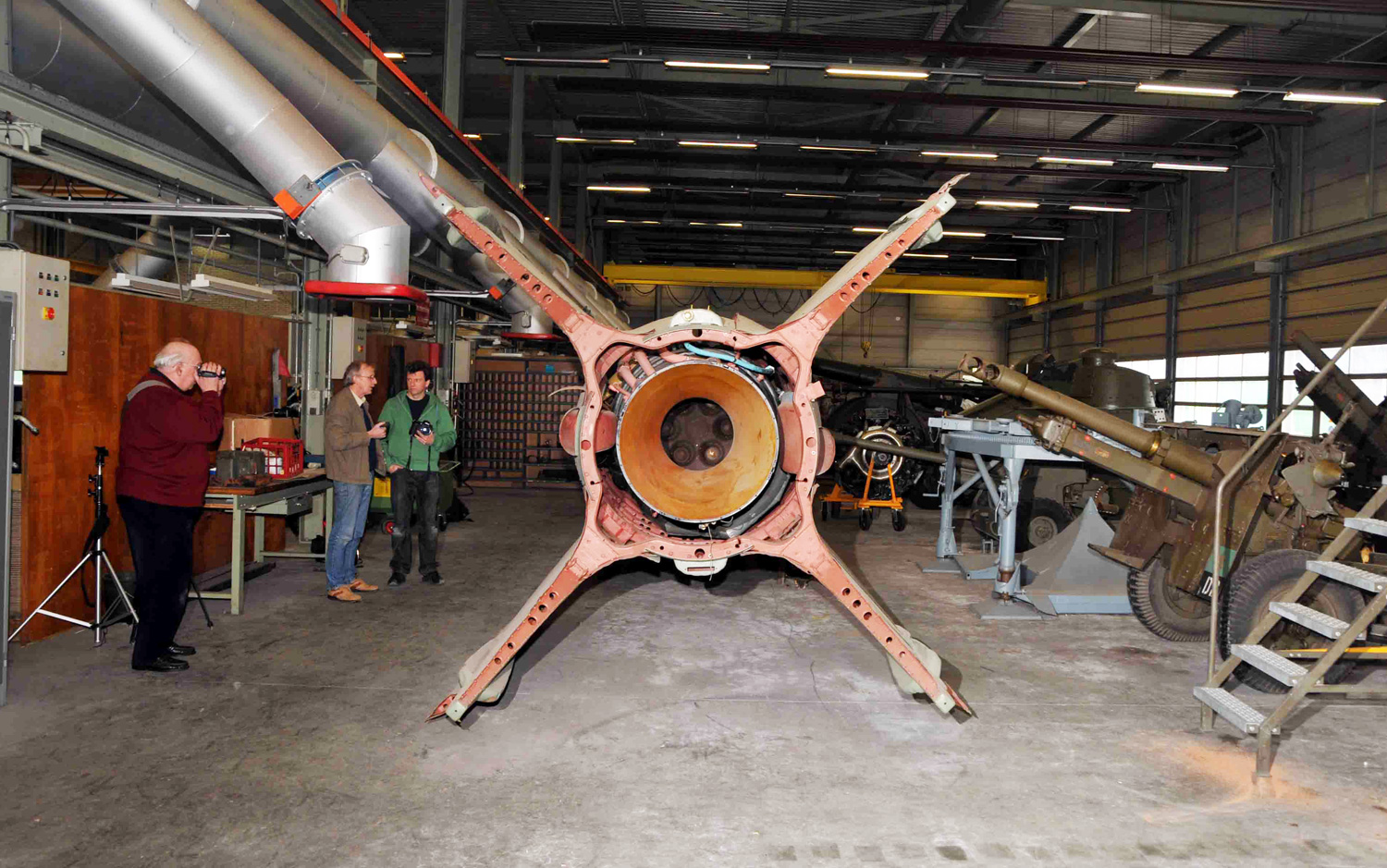
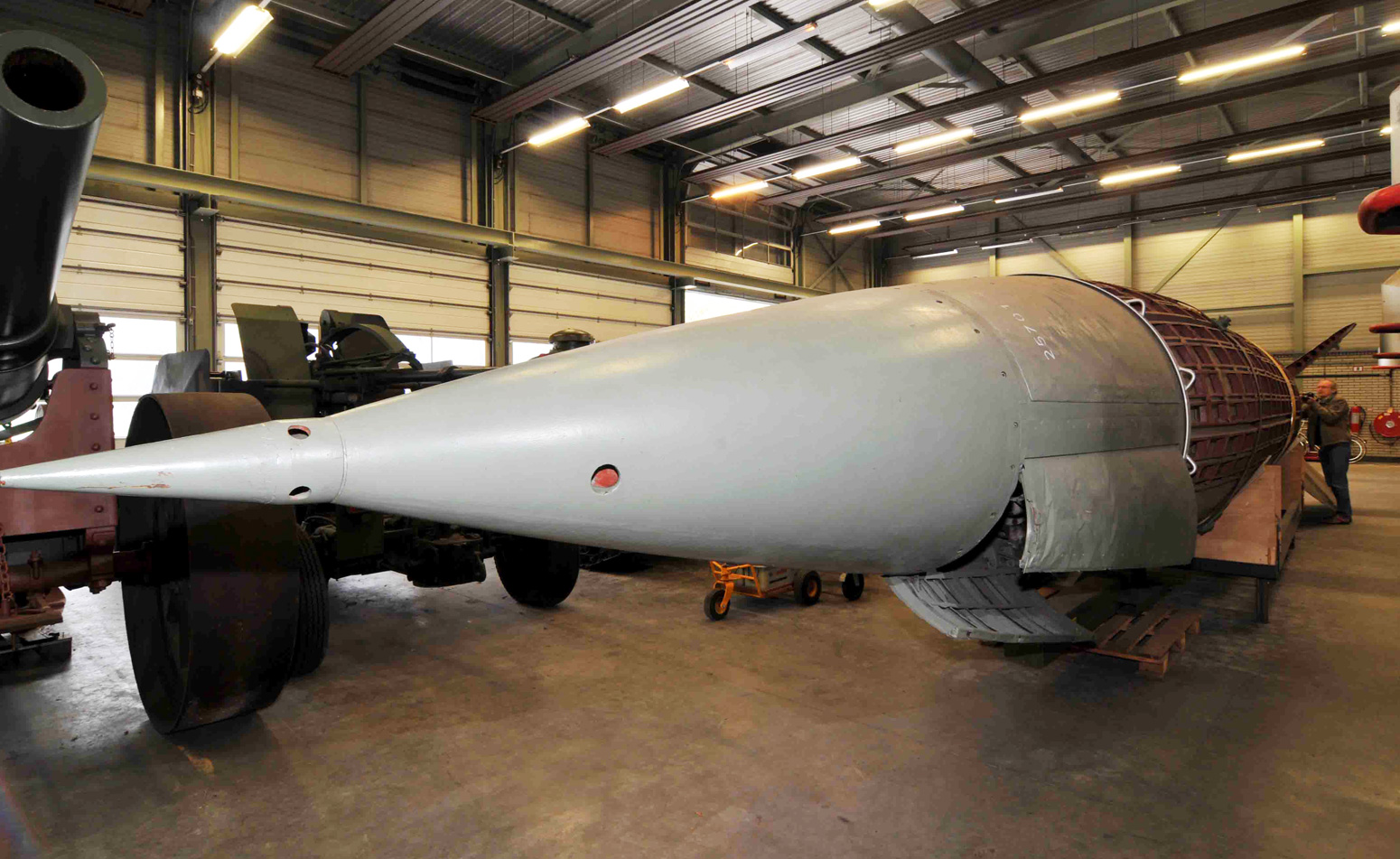
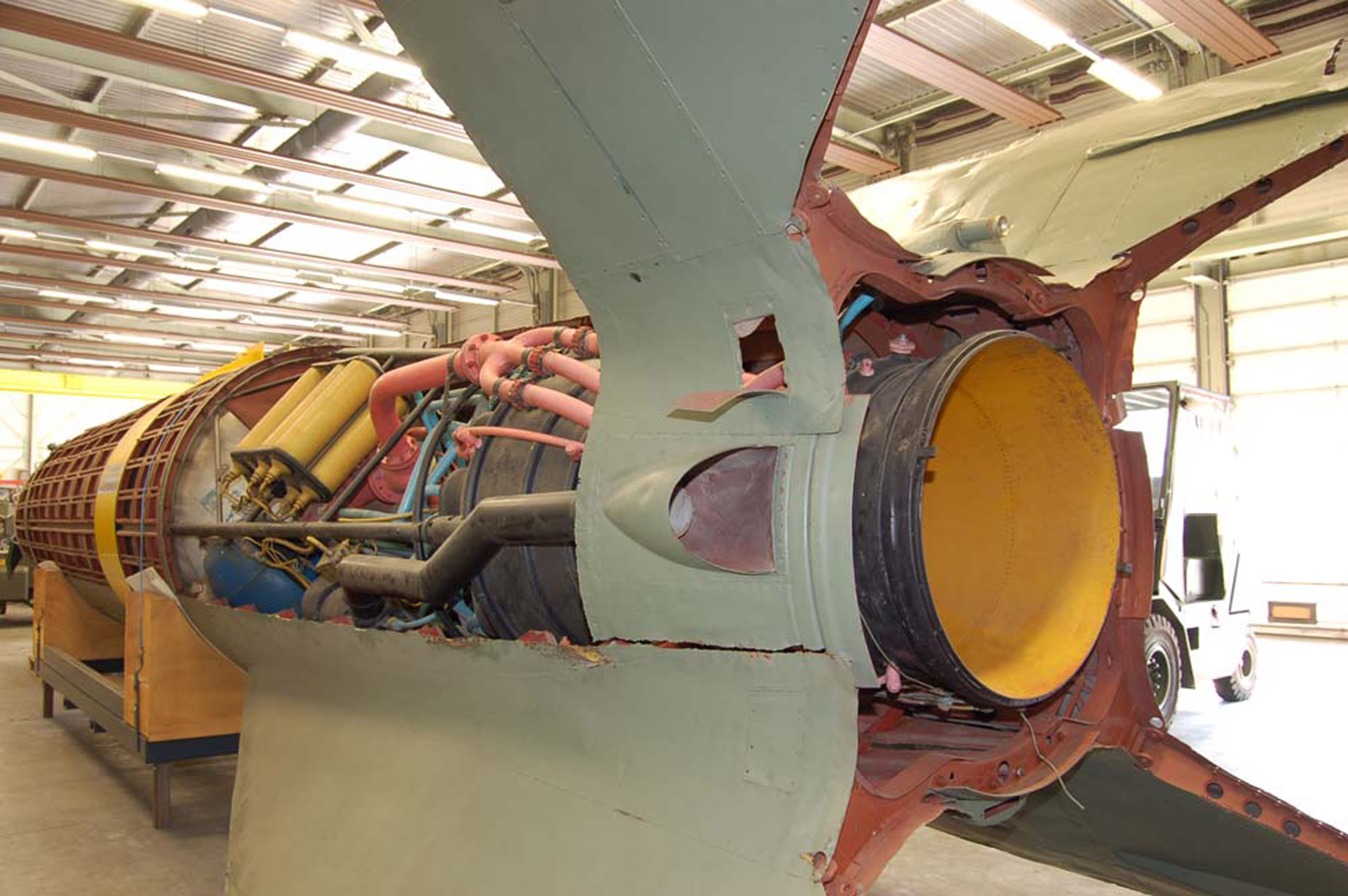
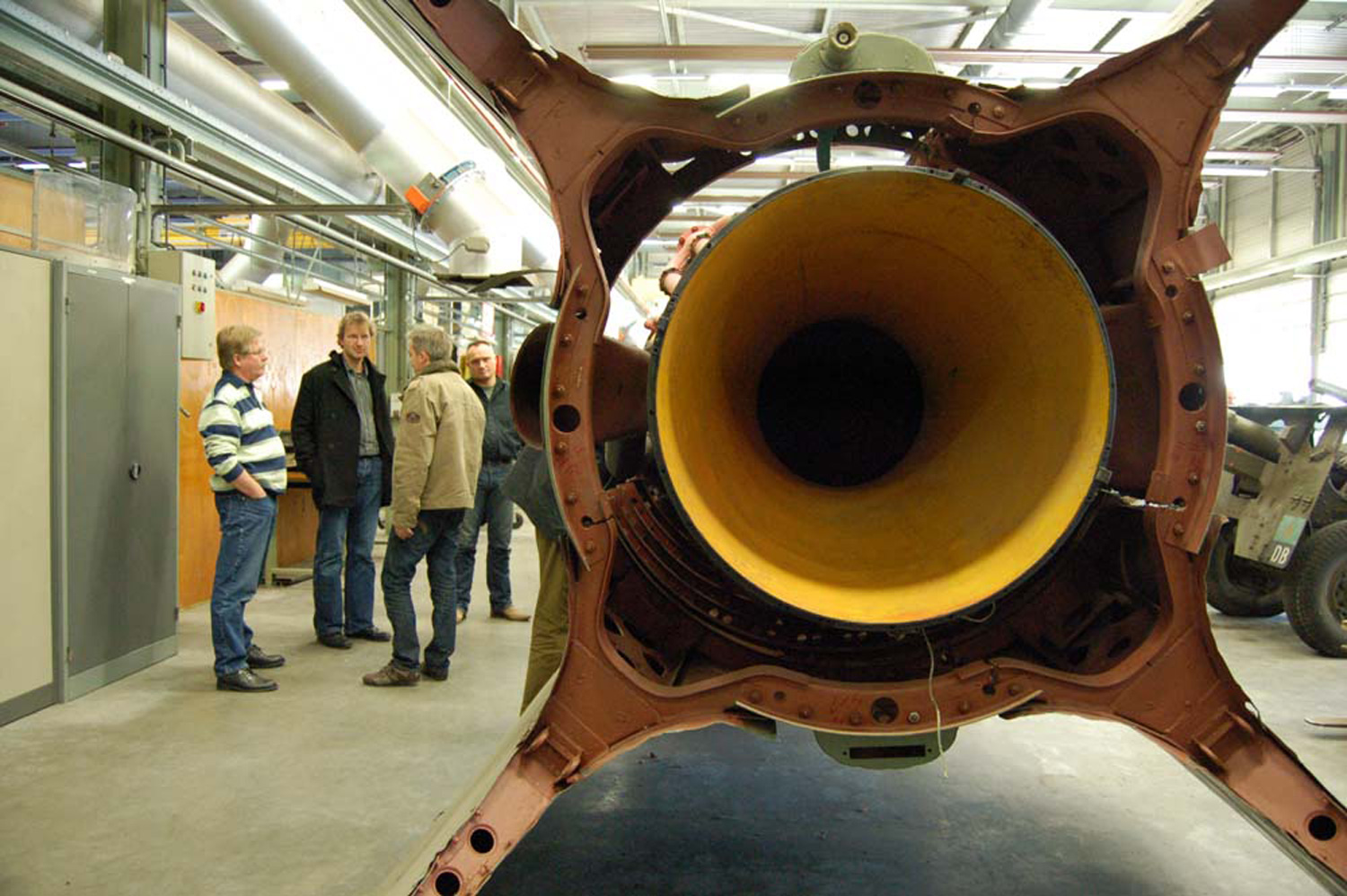
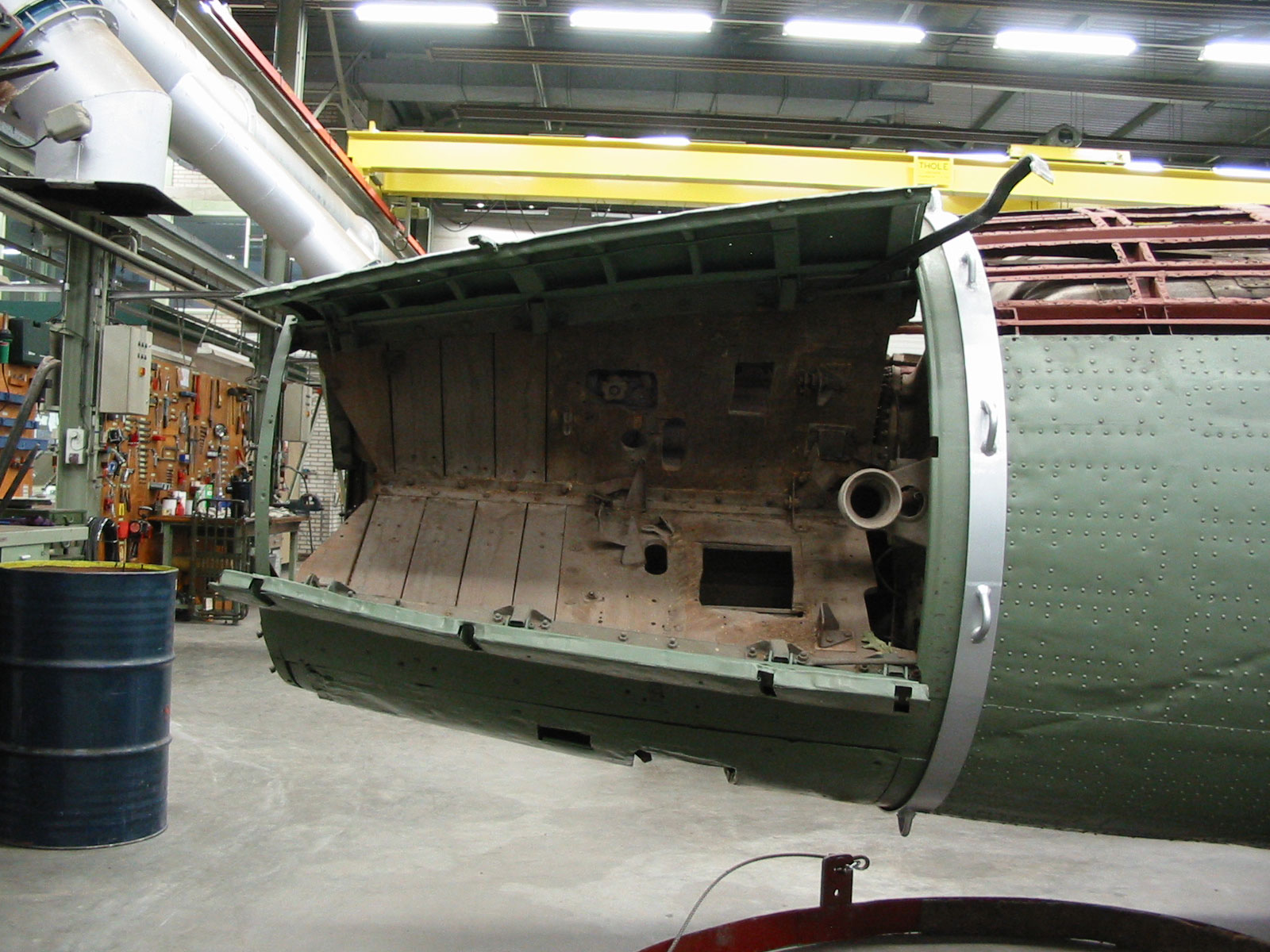
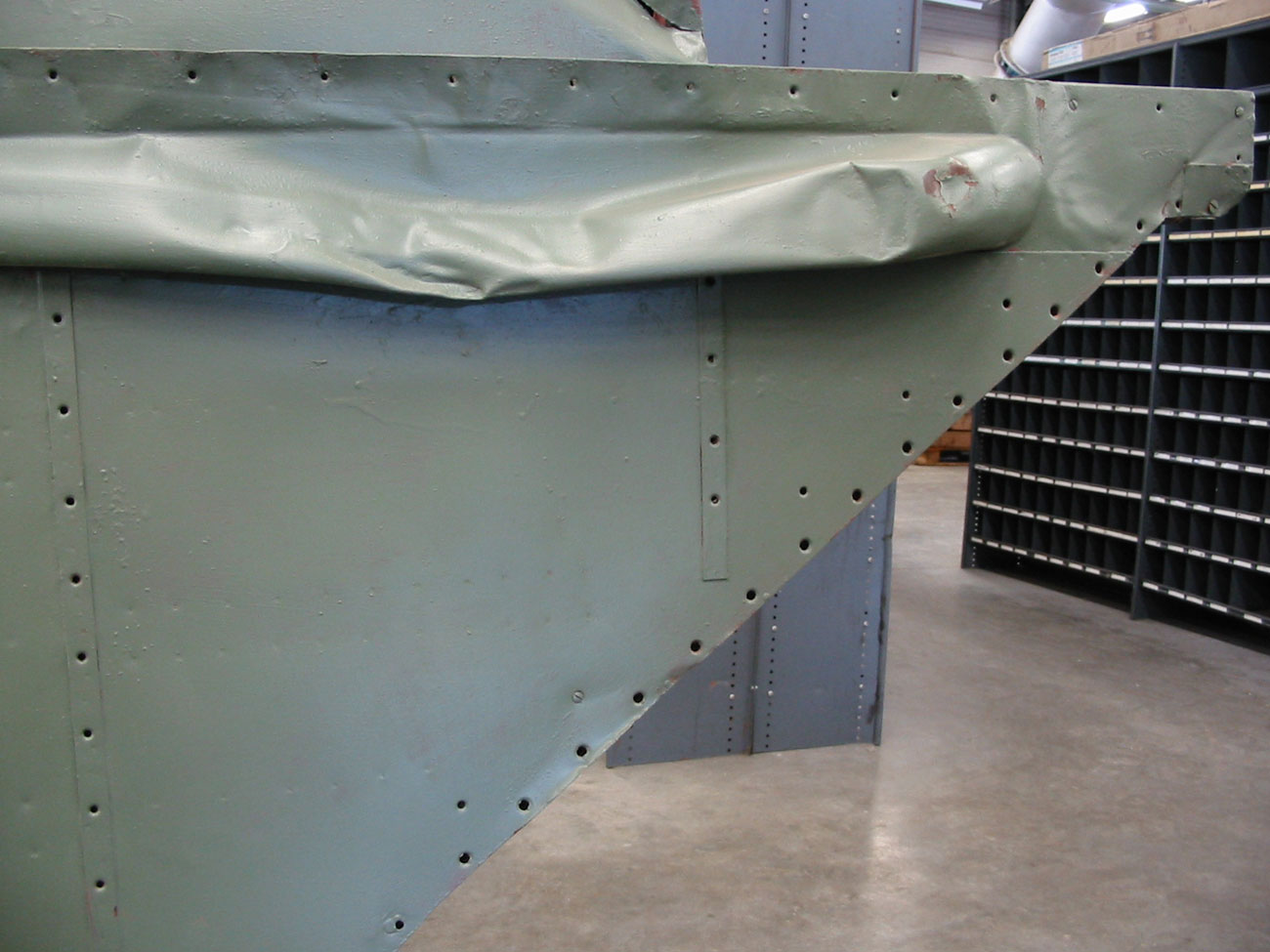
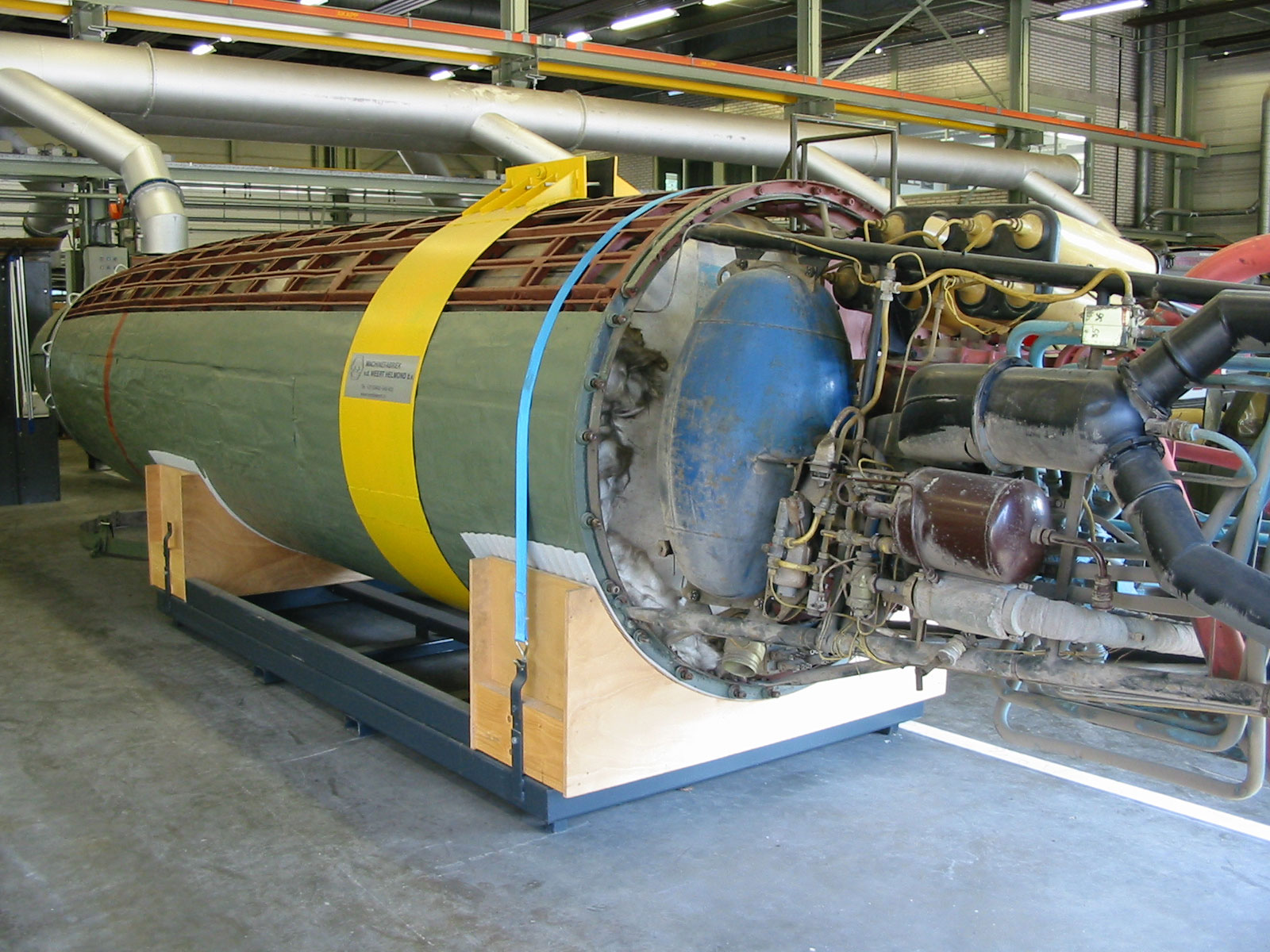
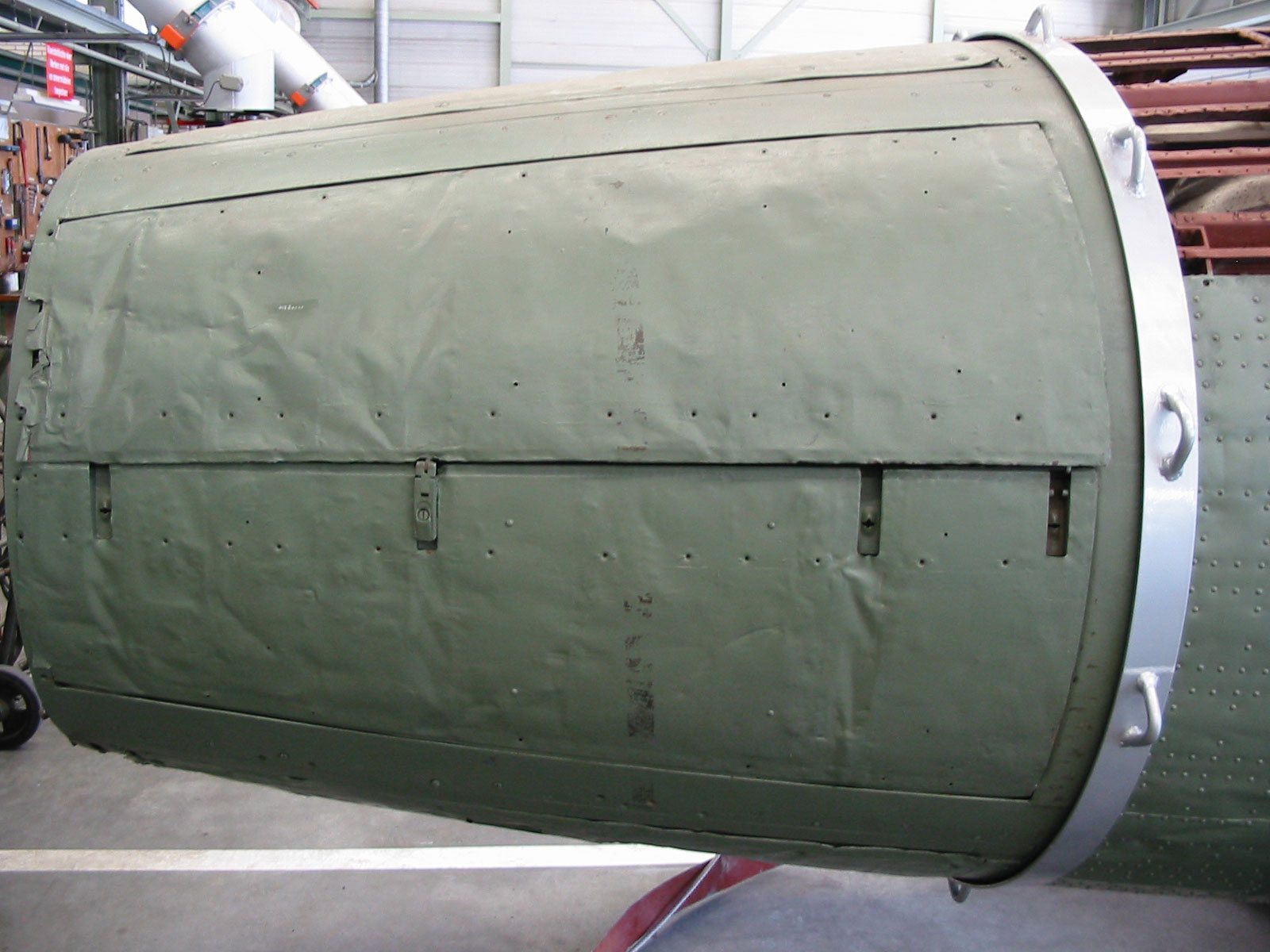
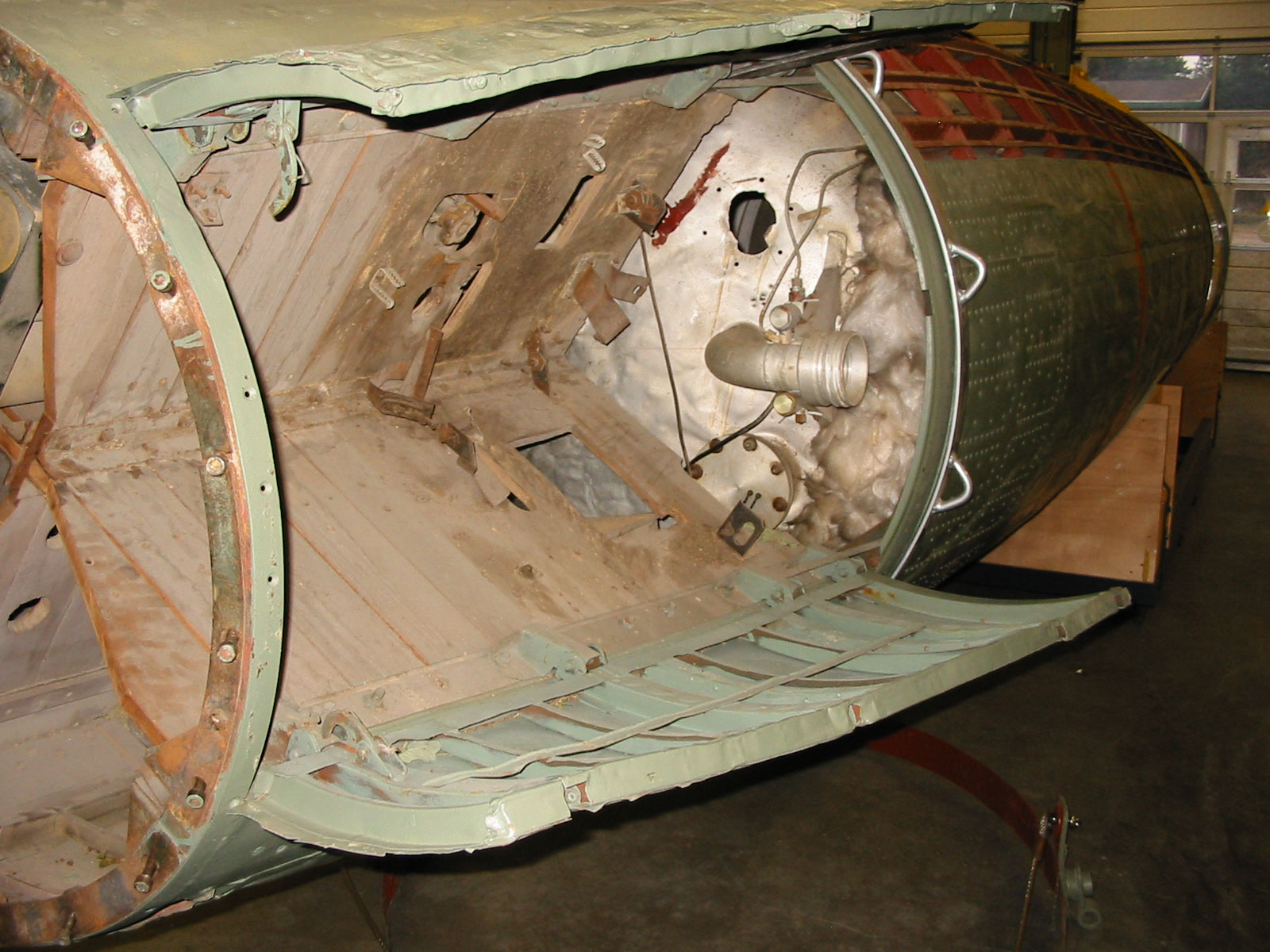
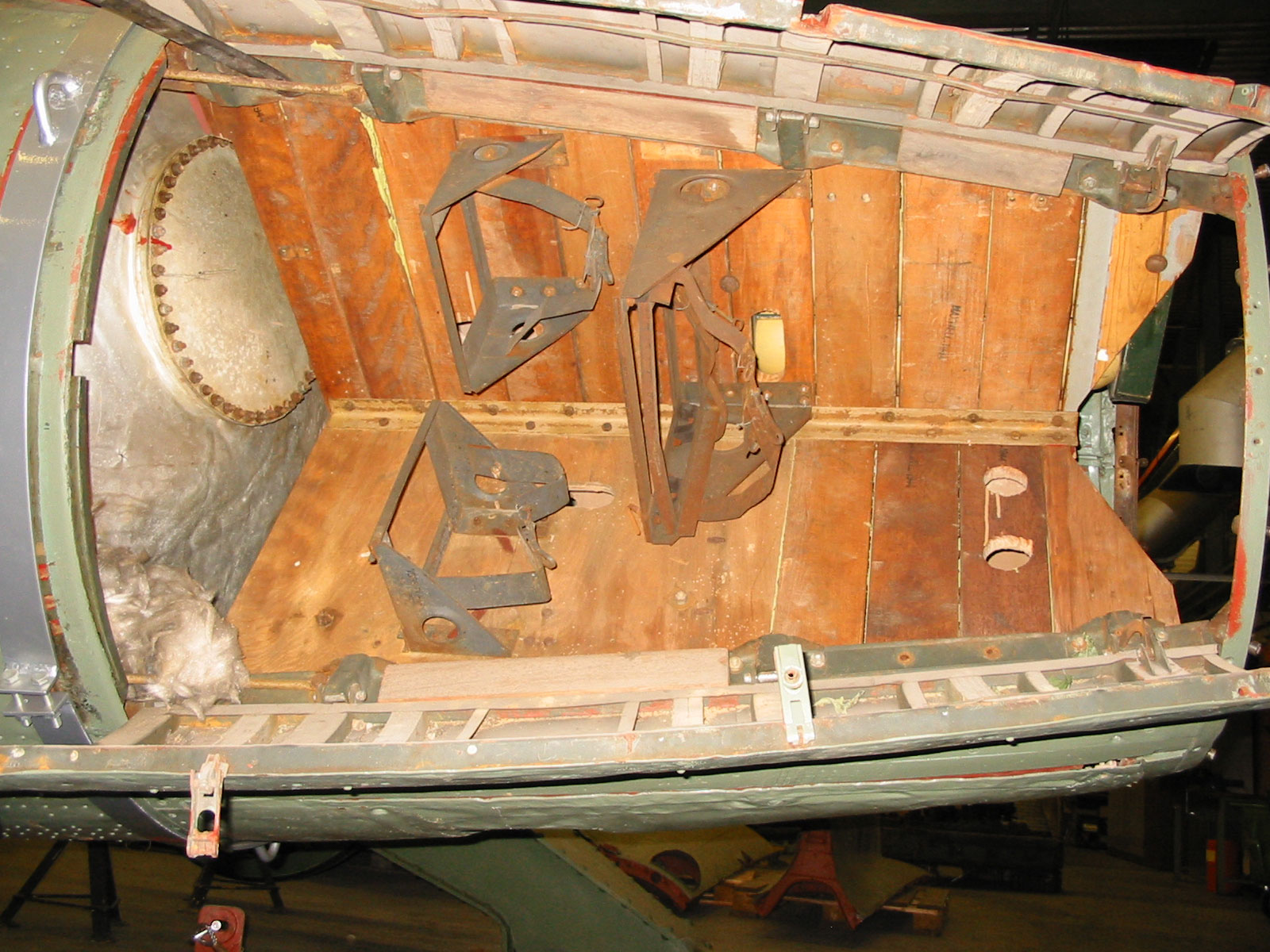
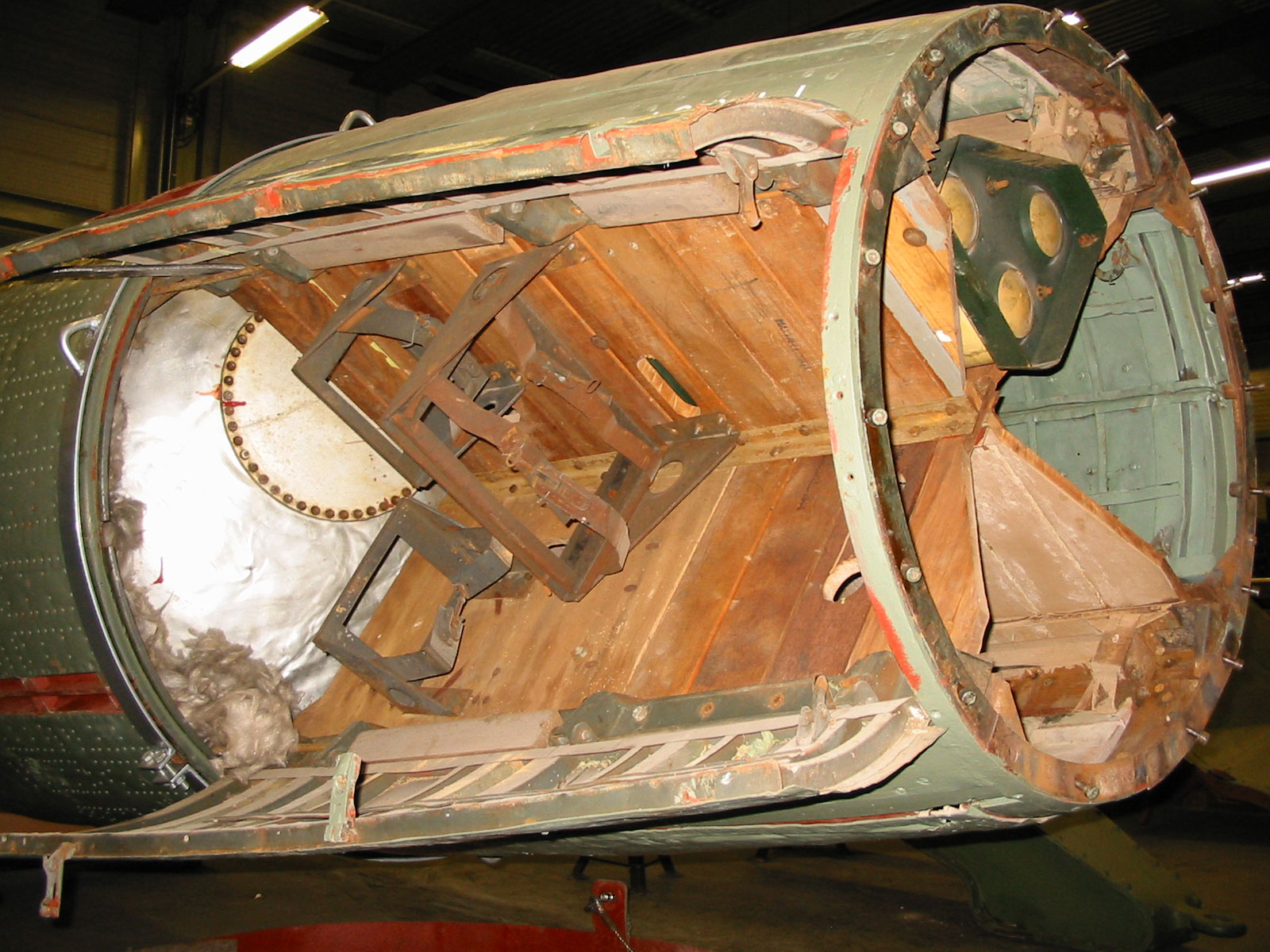
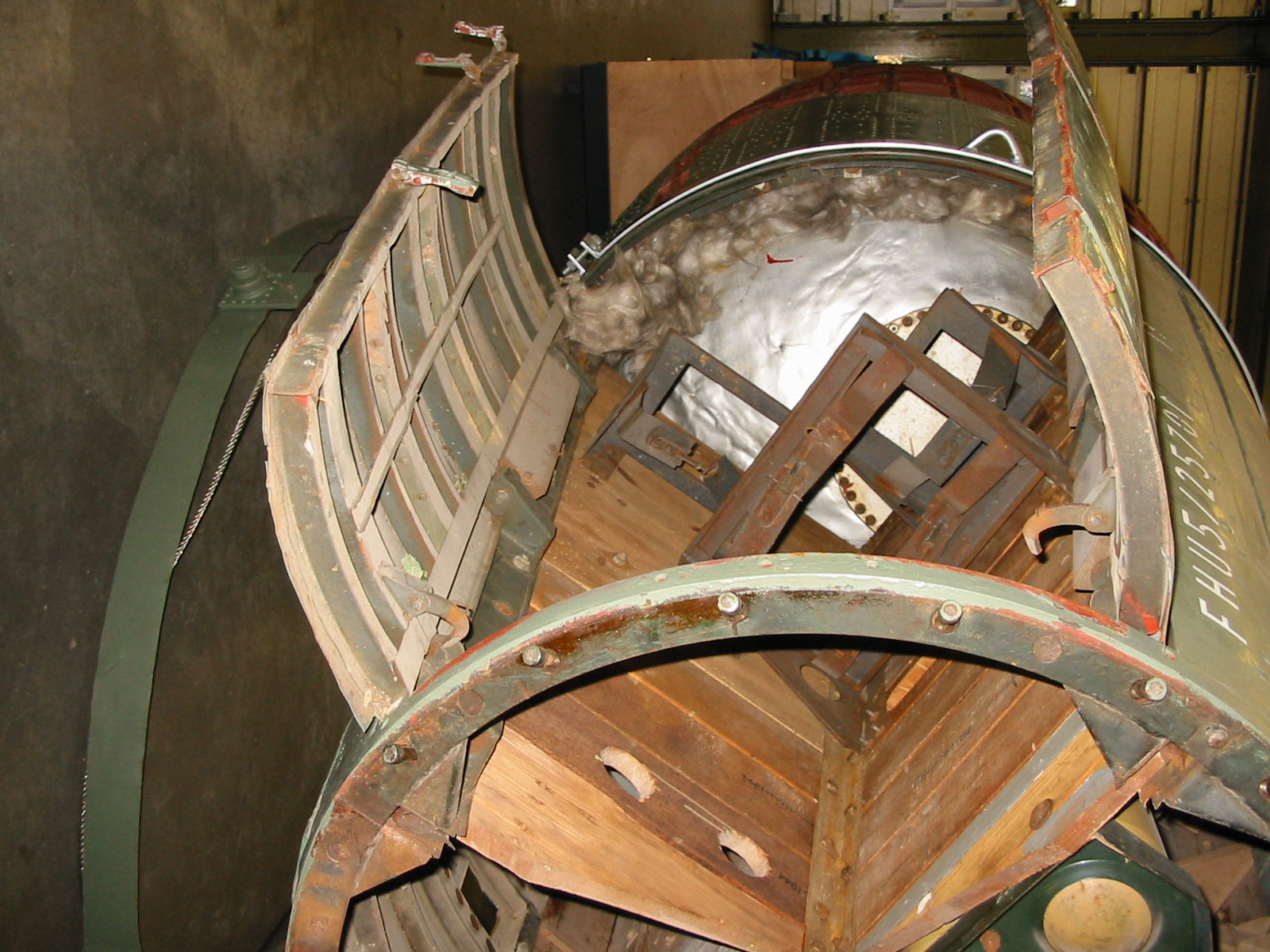
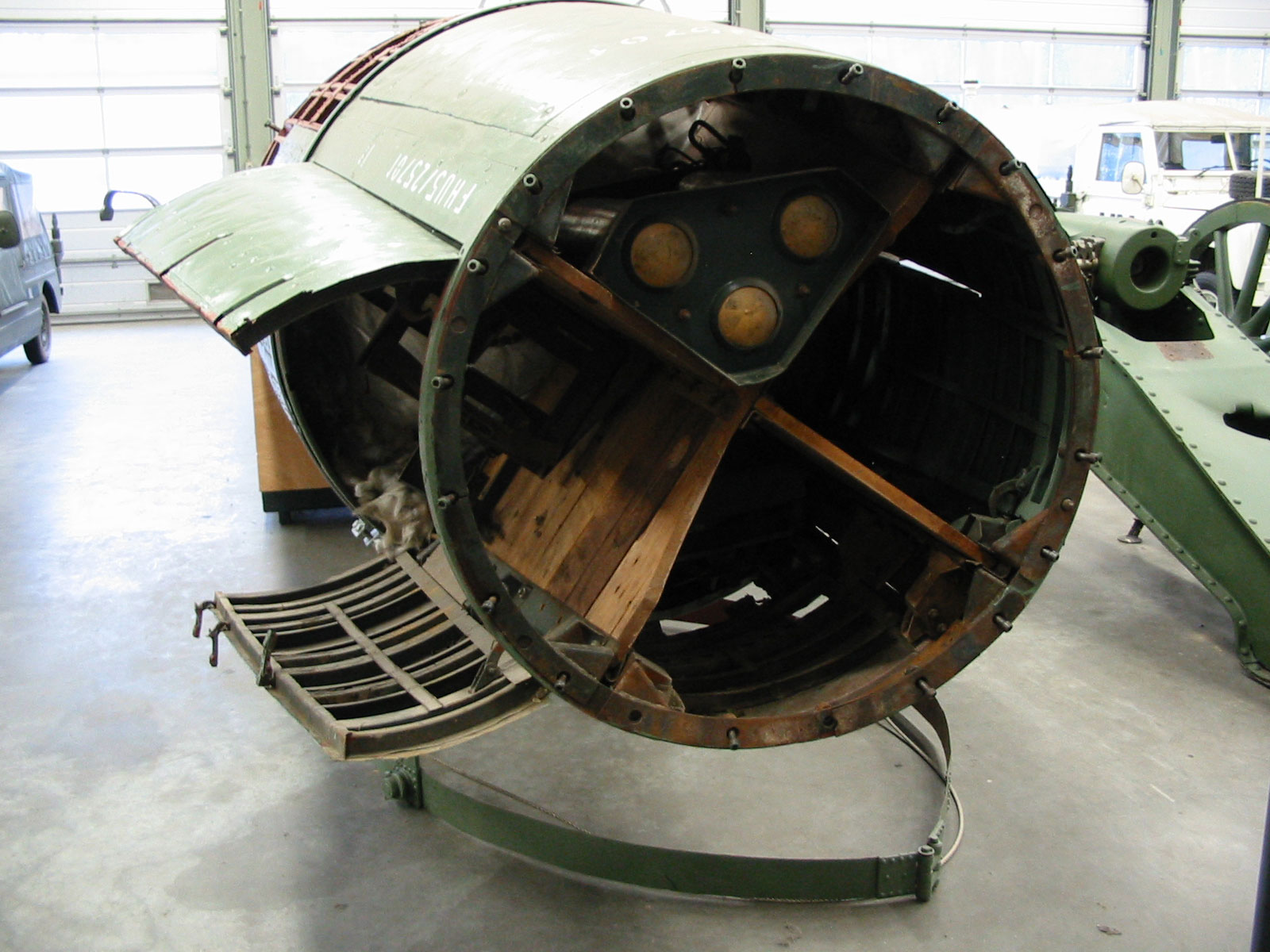
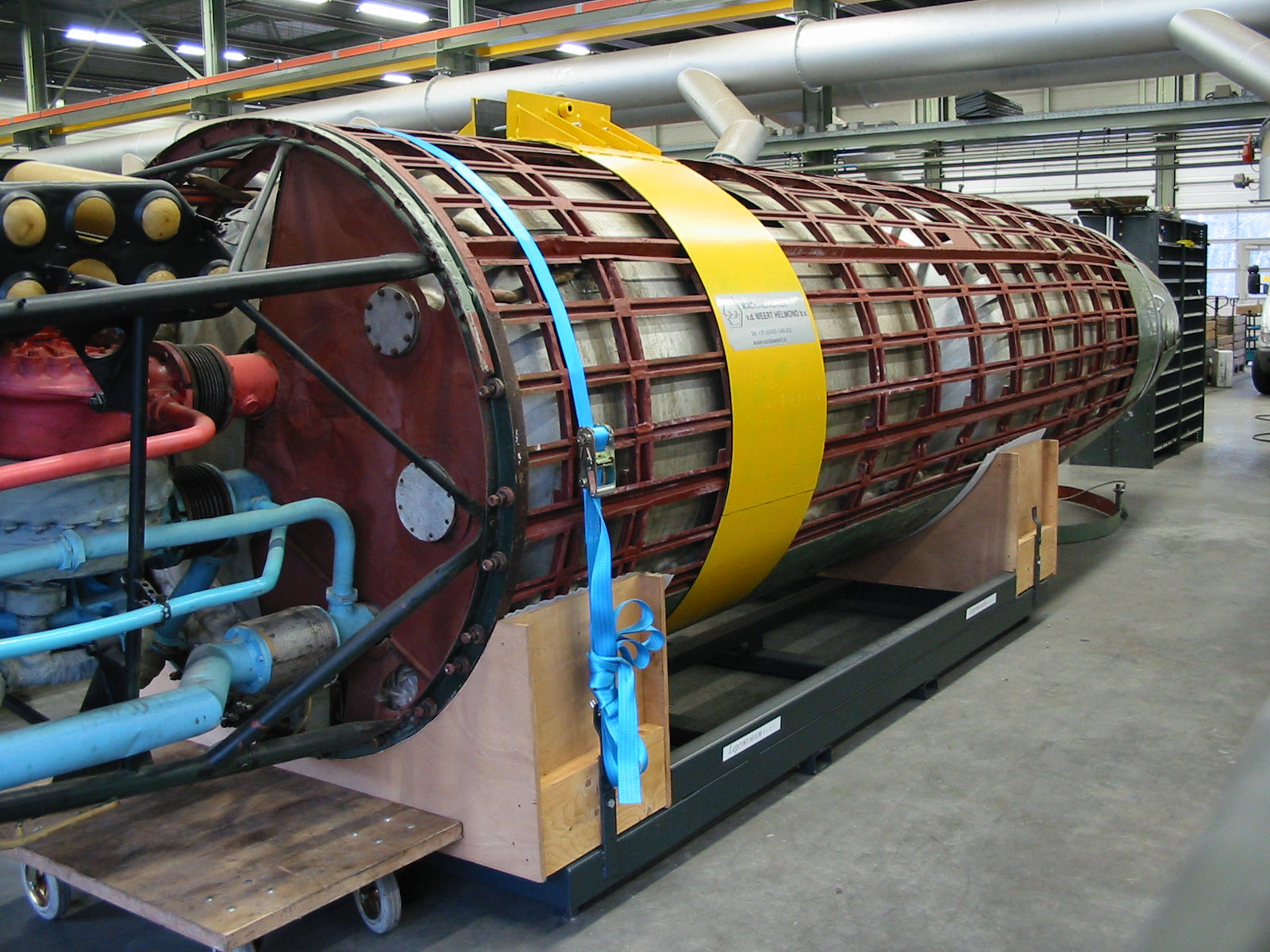
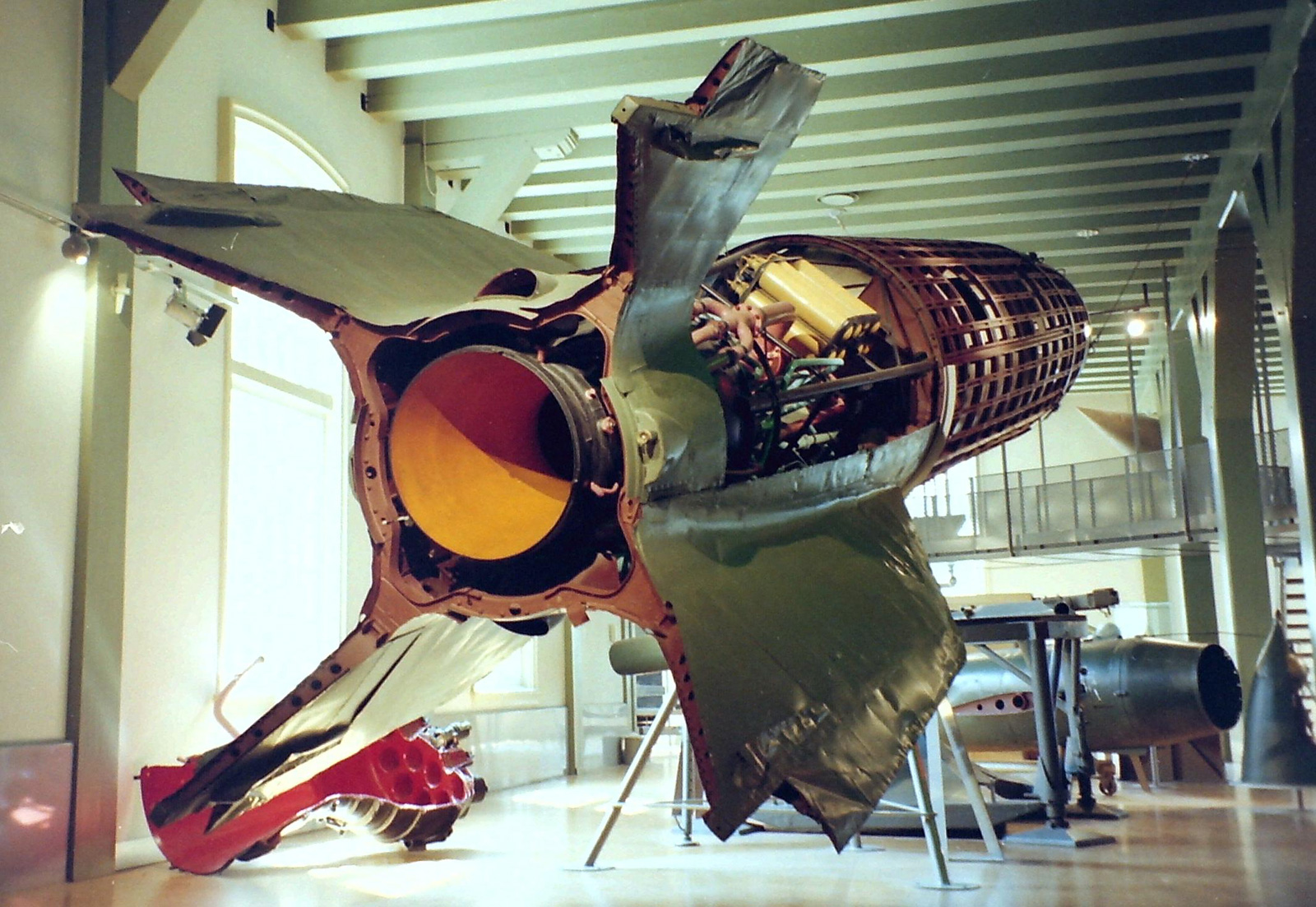
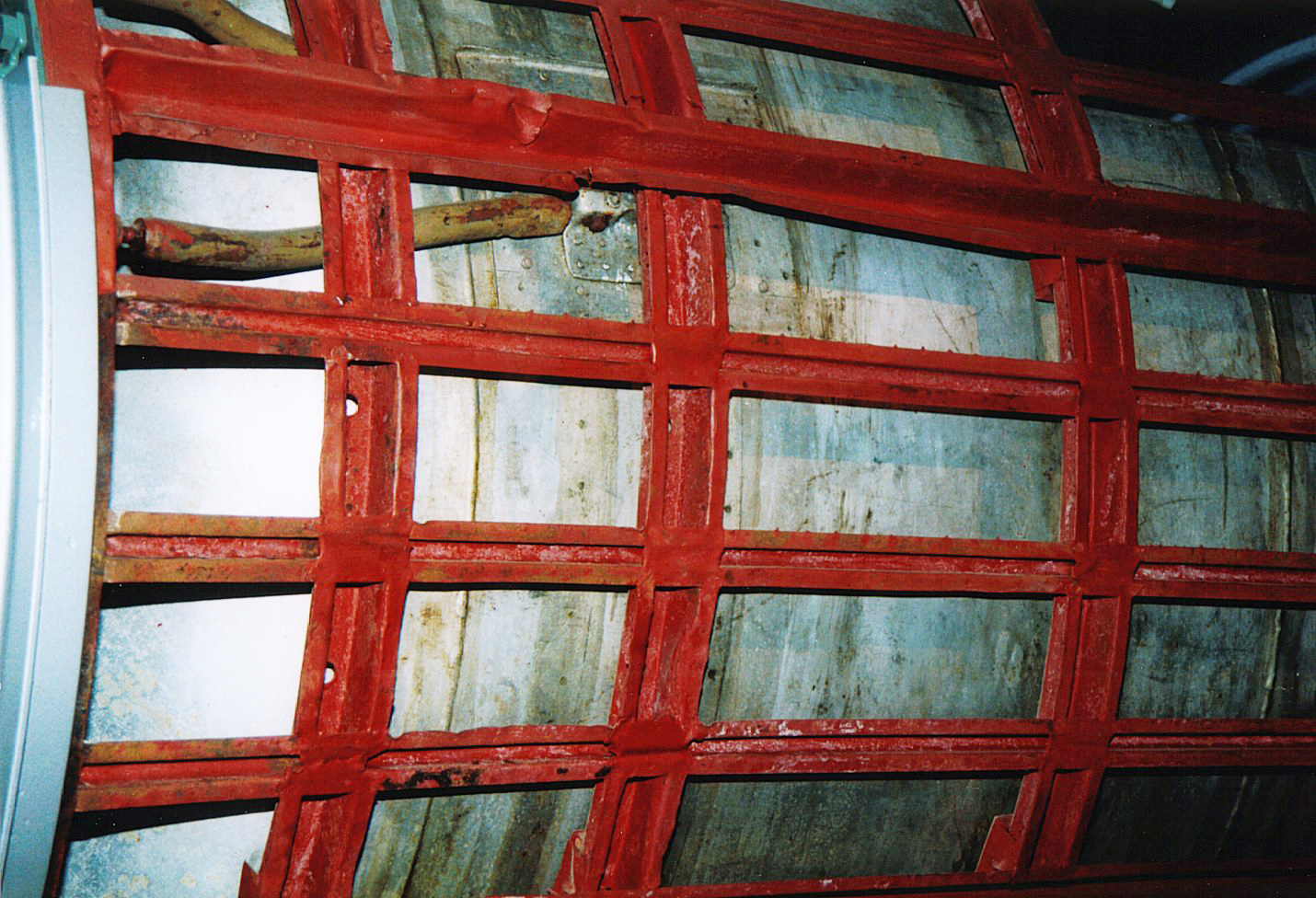
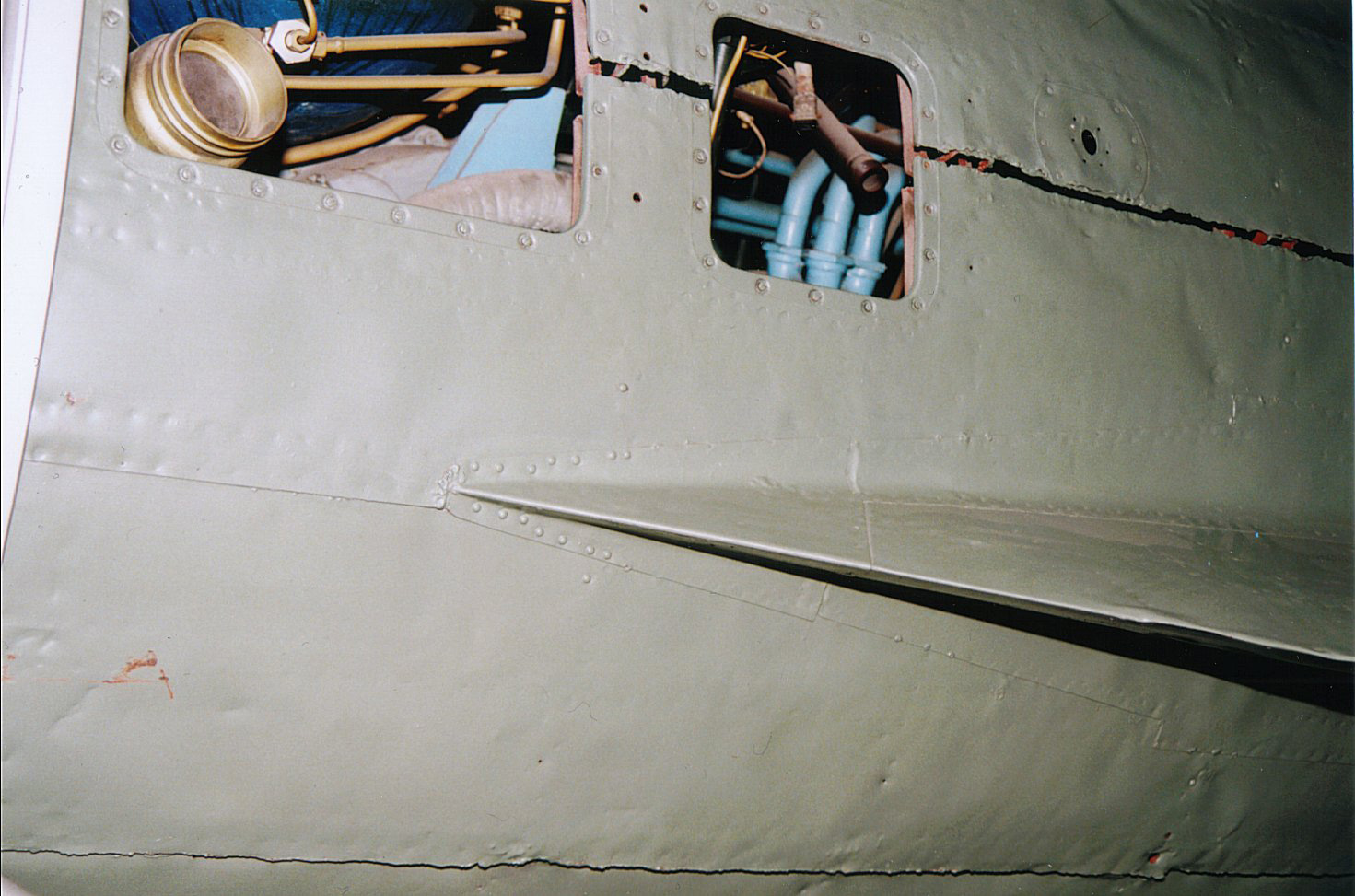
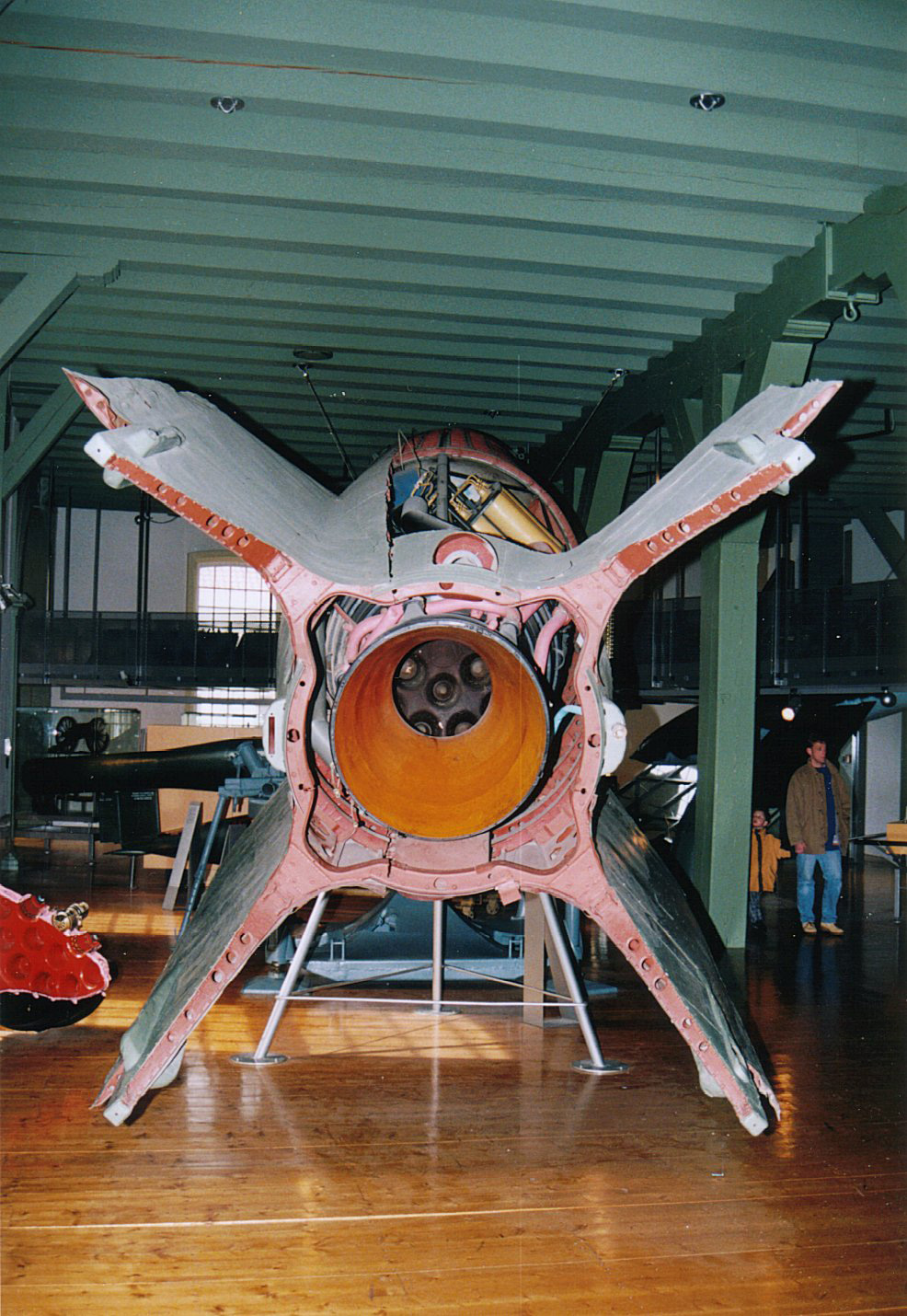
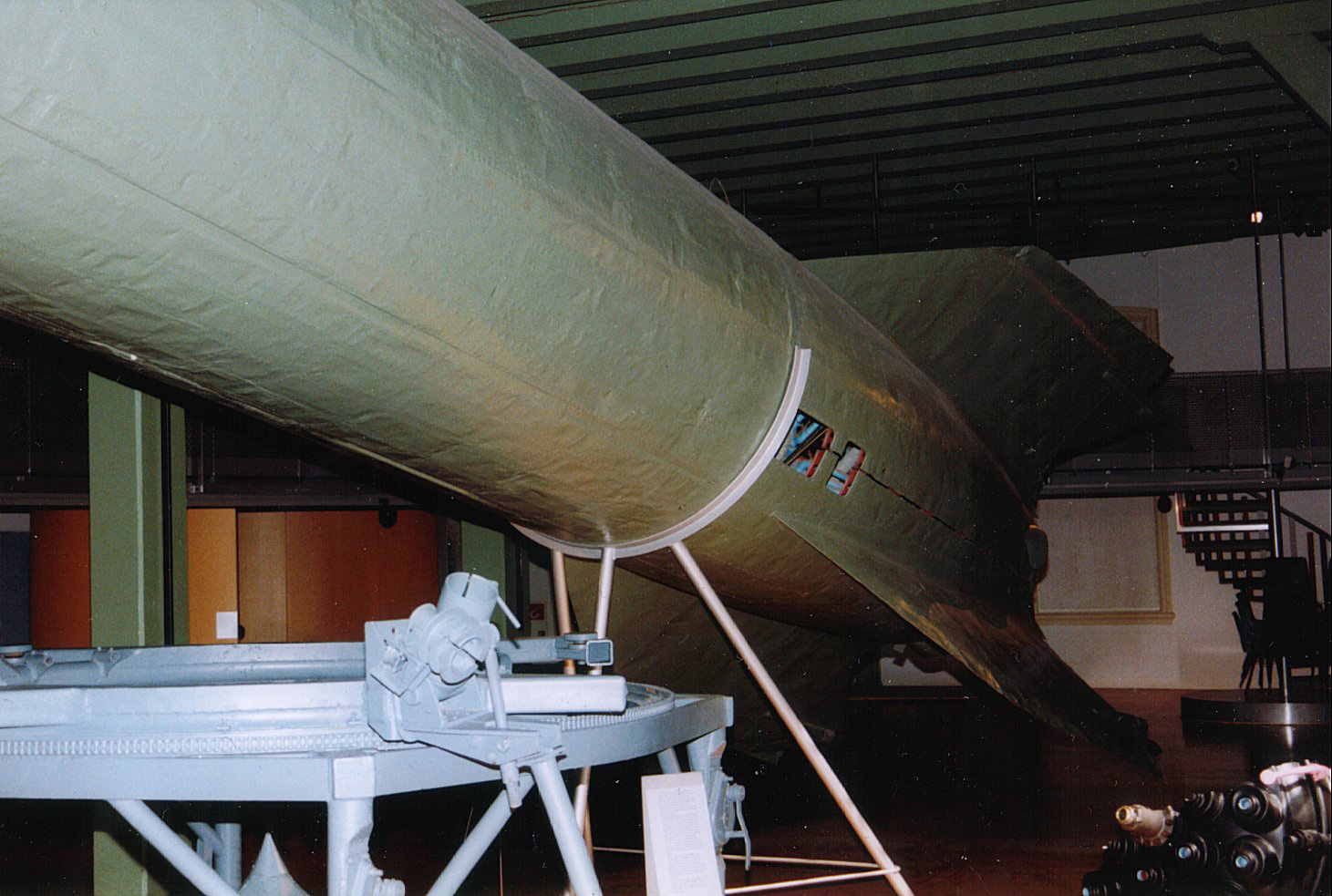
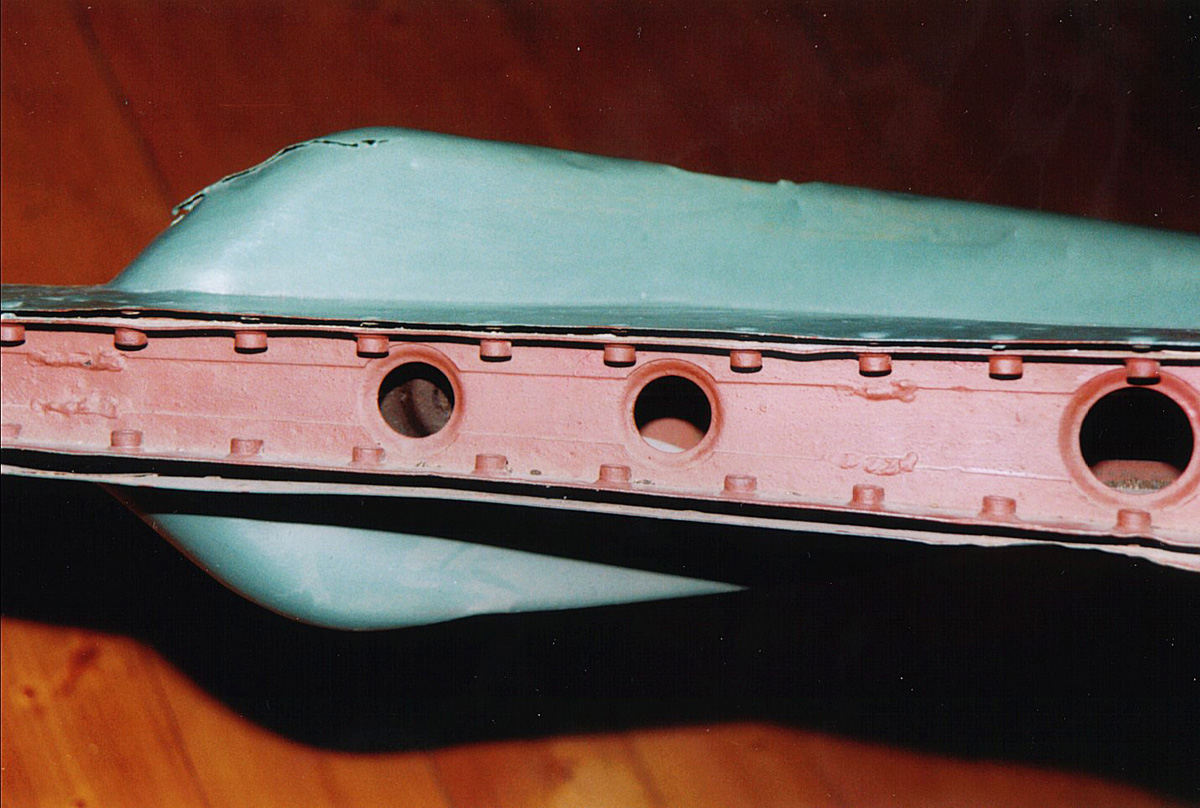
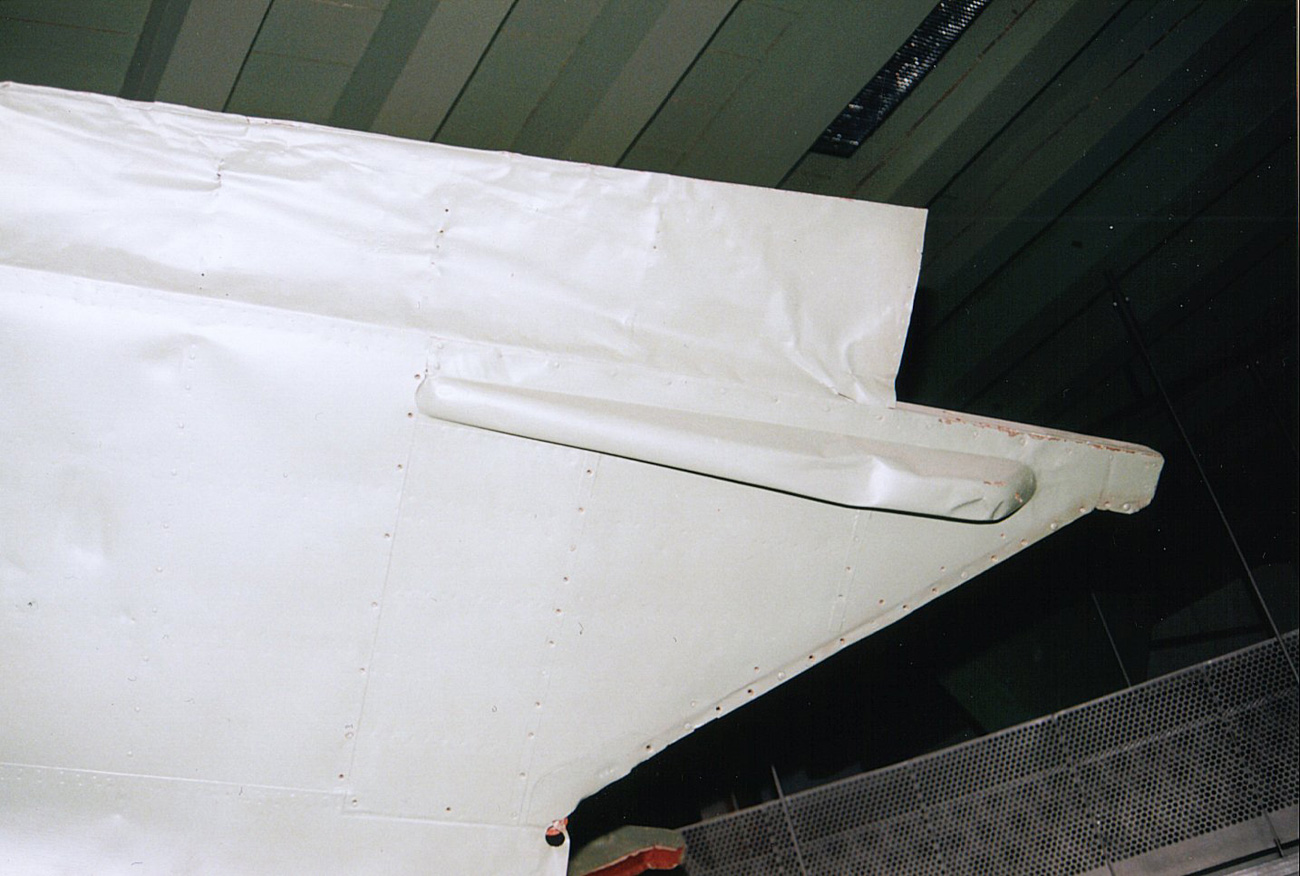
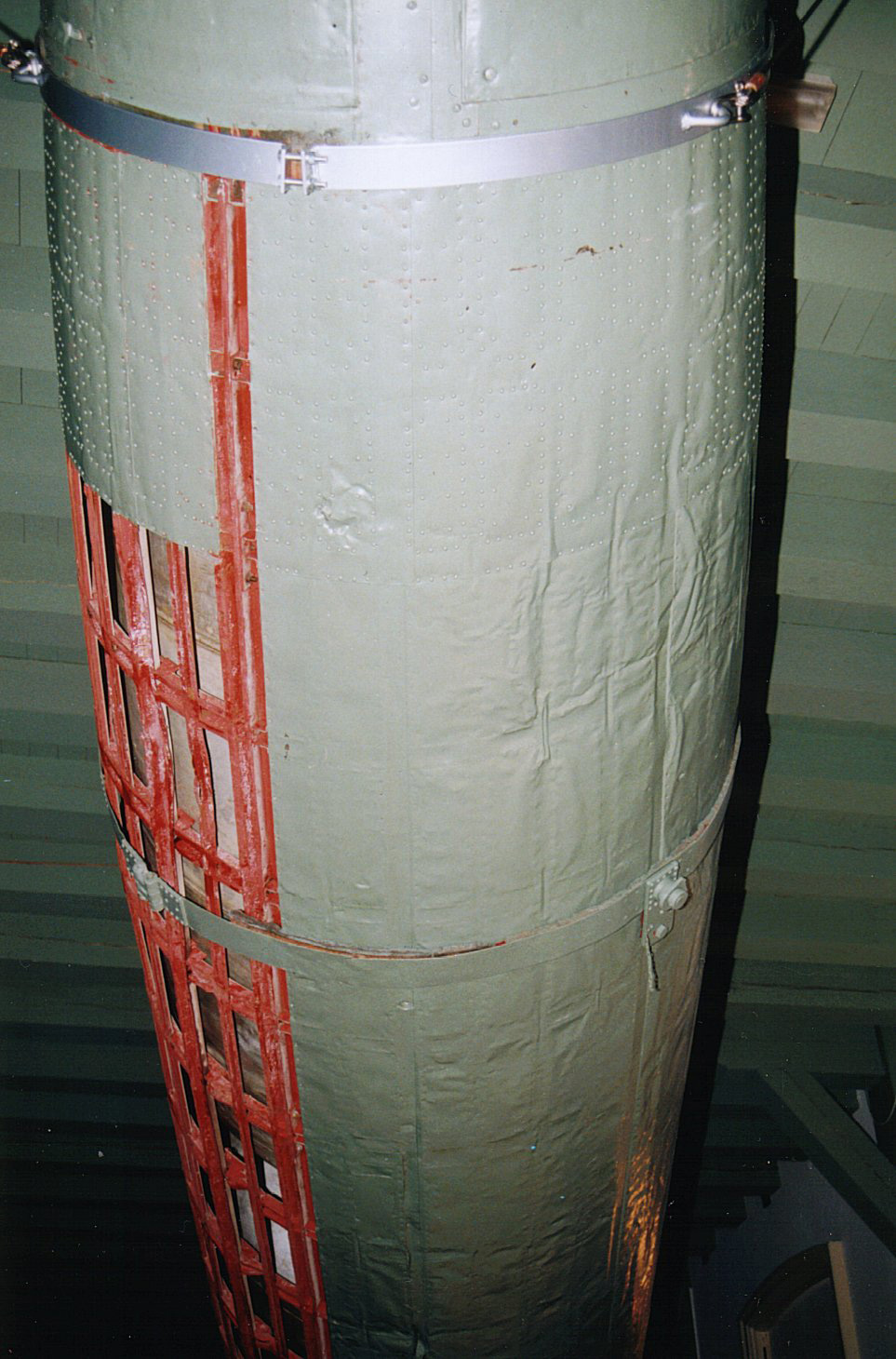
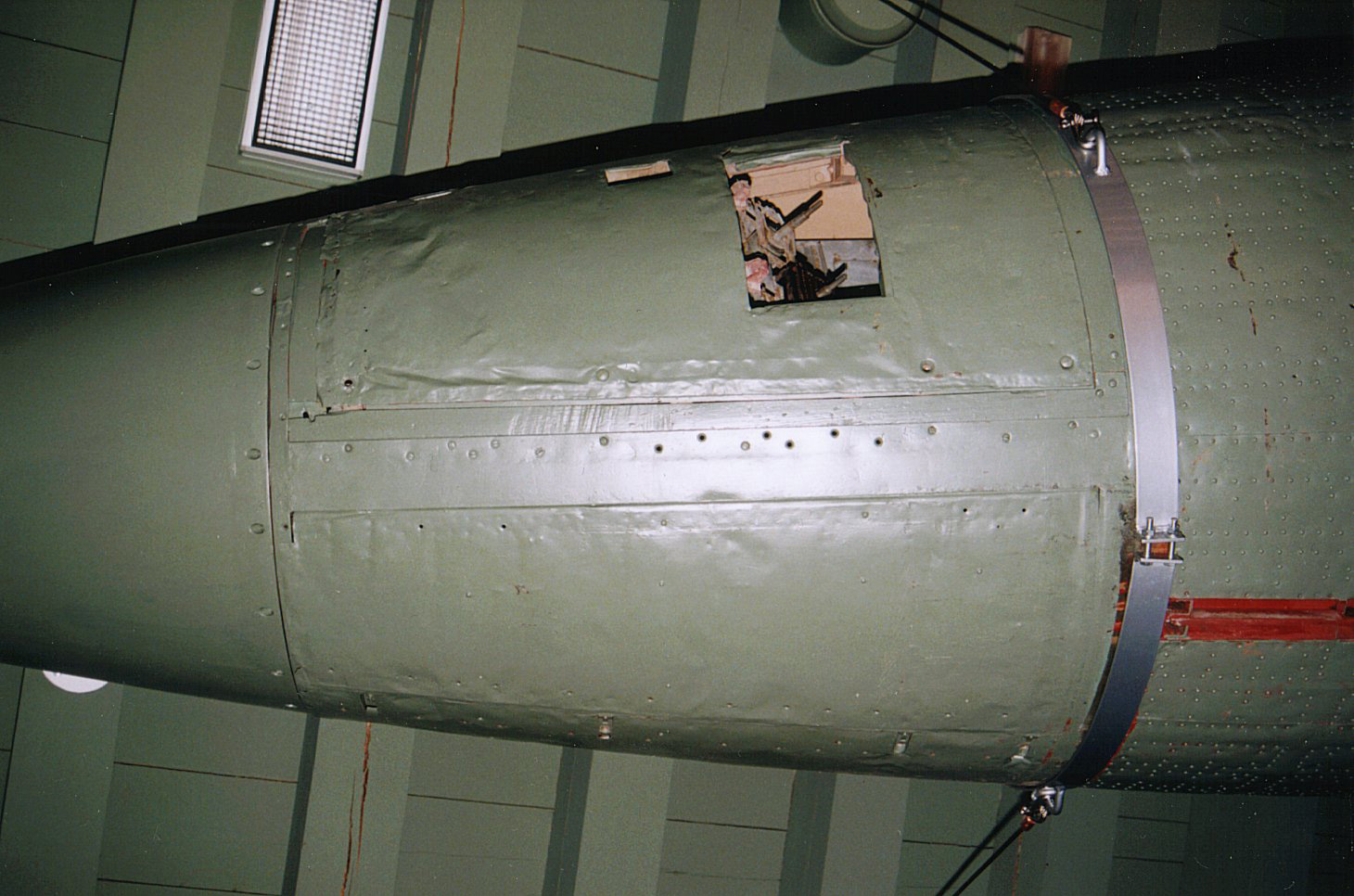
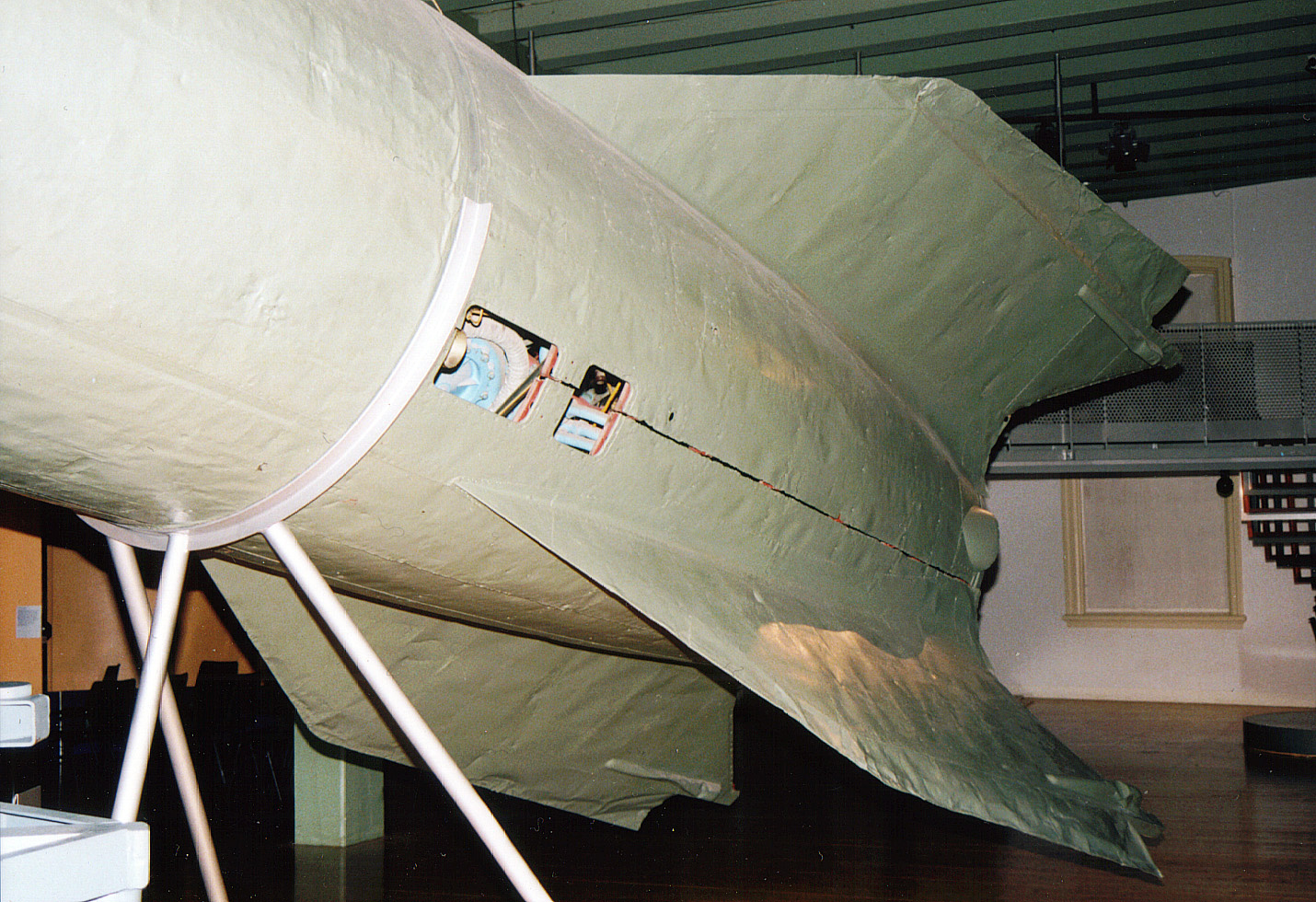
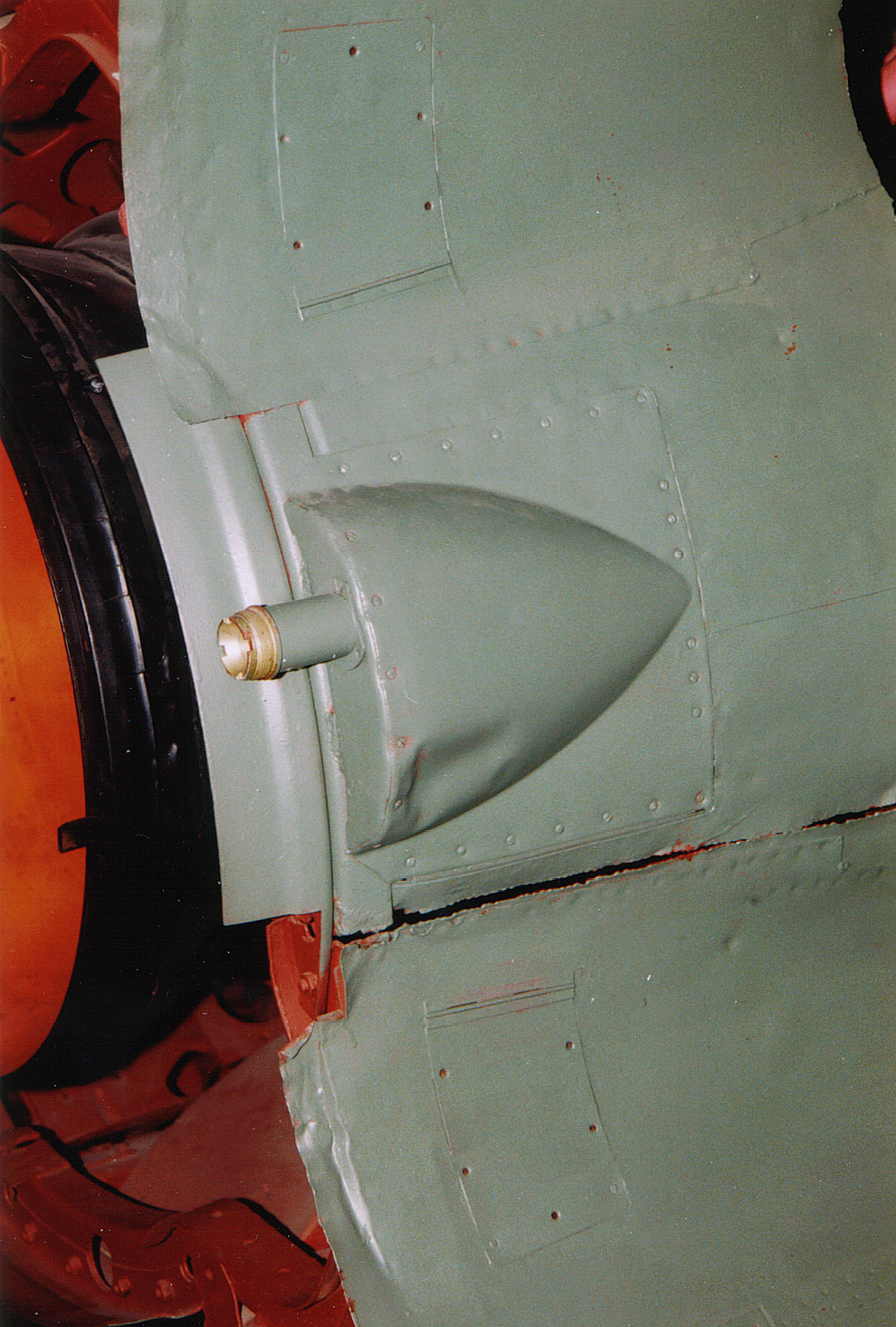
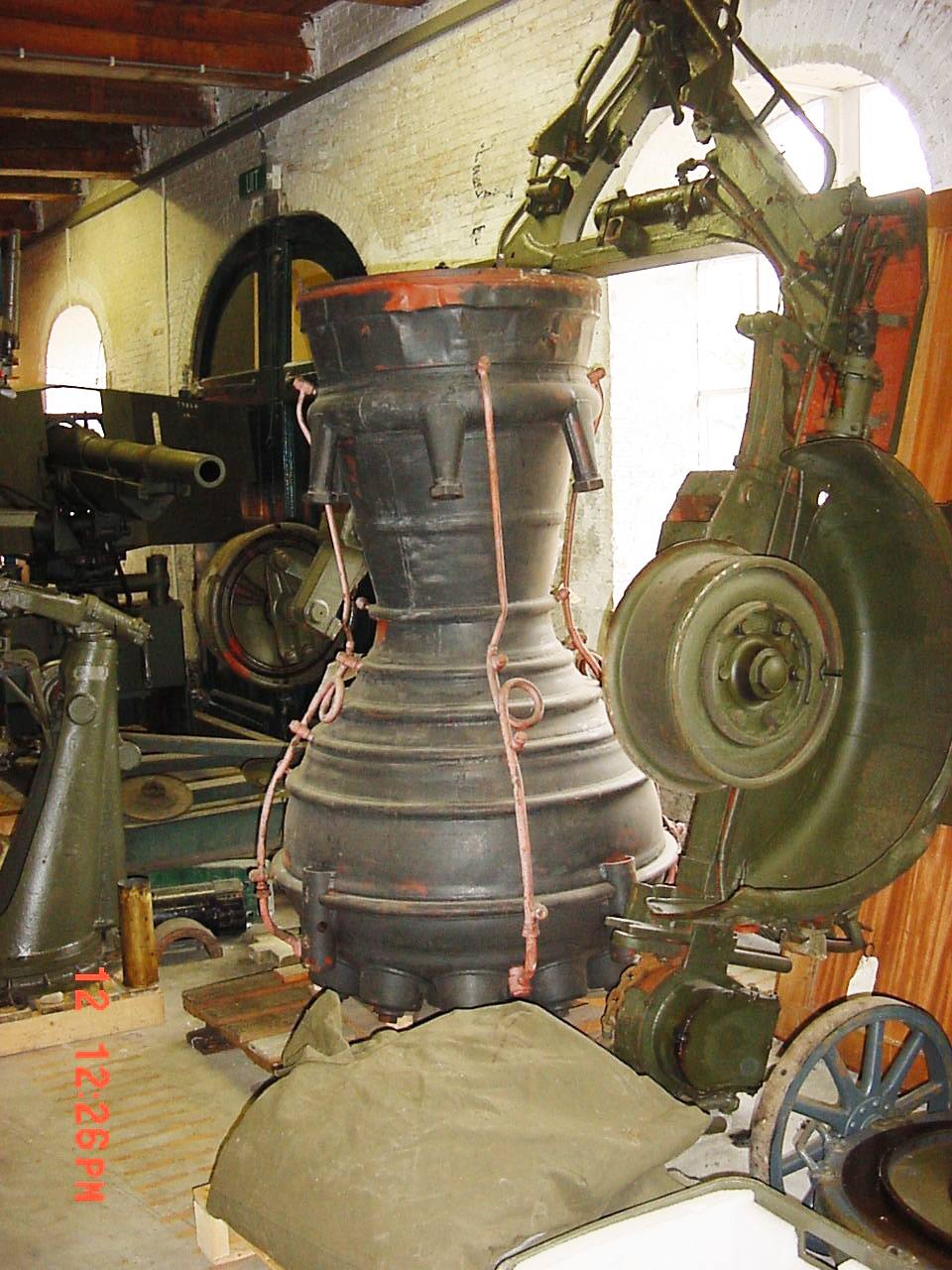
A-4/V-2 rocket
display Nationaal
Militair
Museum,
Soesterberg,
Netherlands. The
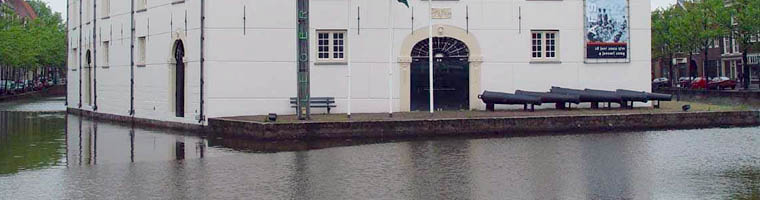
Dutch V-2 rocket example
was for many years
located inside the Leger
en Wapenmuseum
(Army Museum) at Delft.
The old city of Delft is
close to the
international known city
Den Haag (The Hague)
where many V-2s were
launched. This V-Weapon
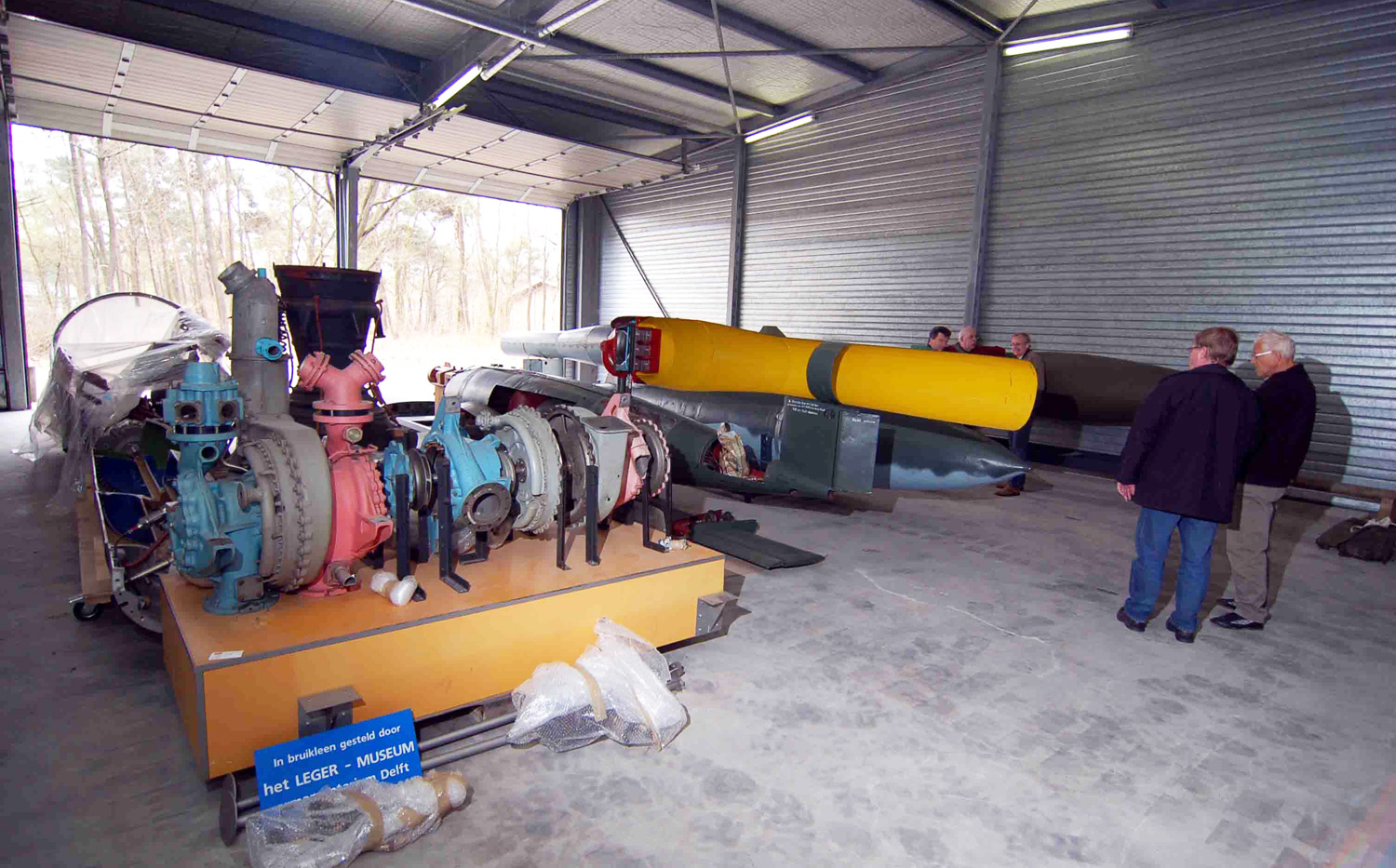
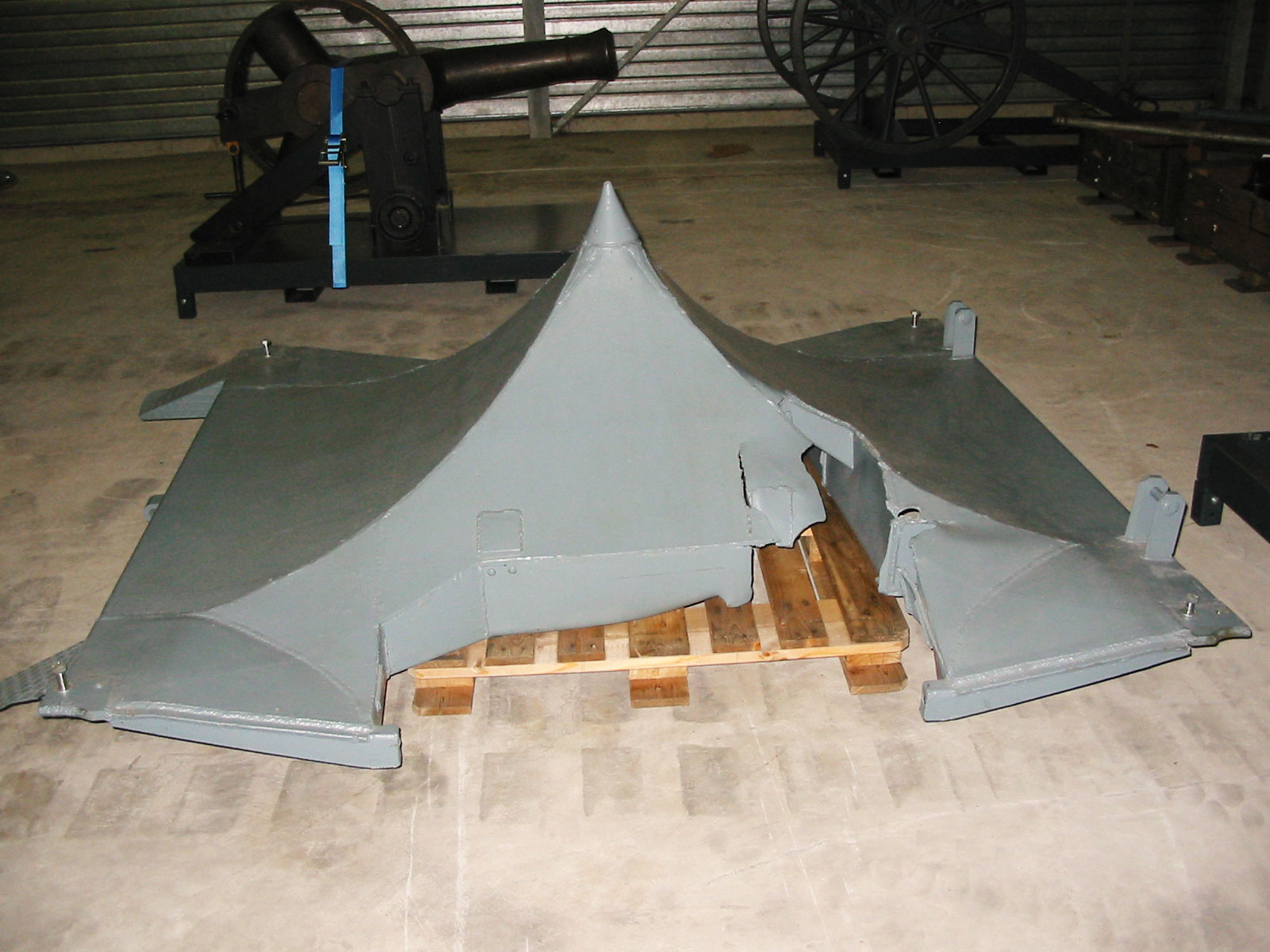
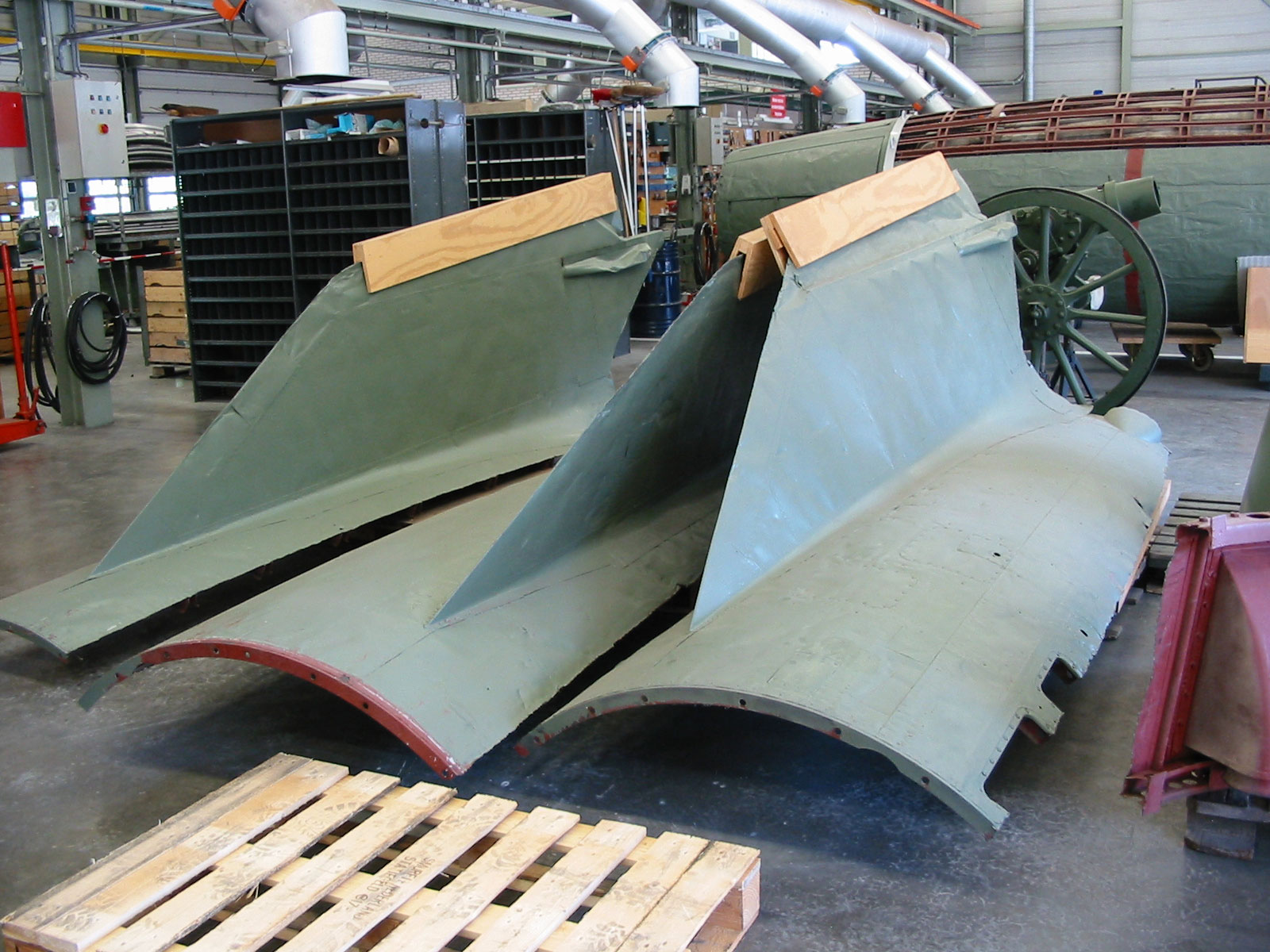
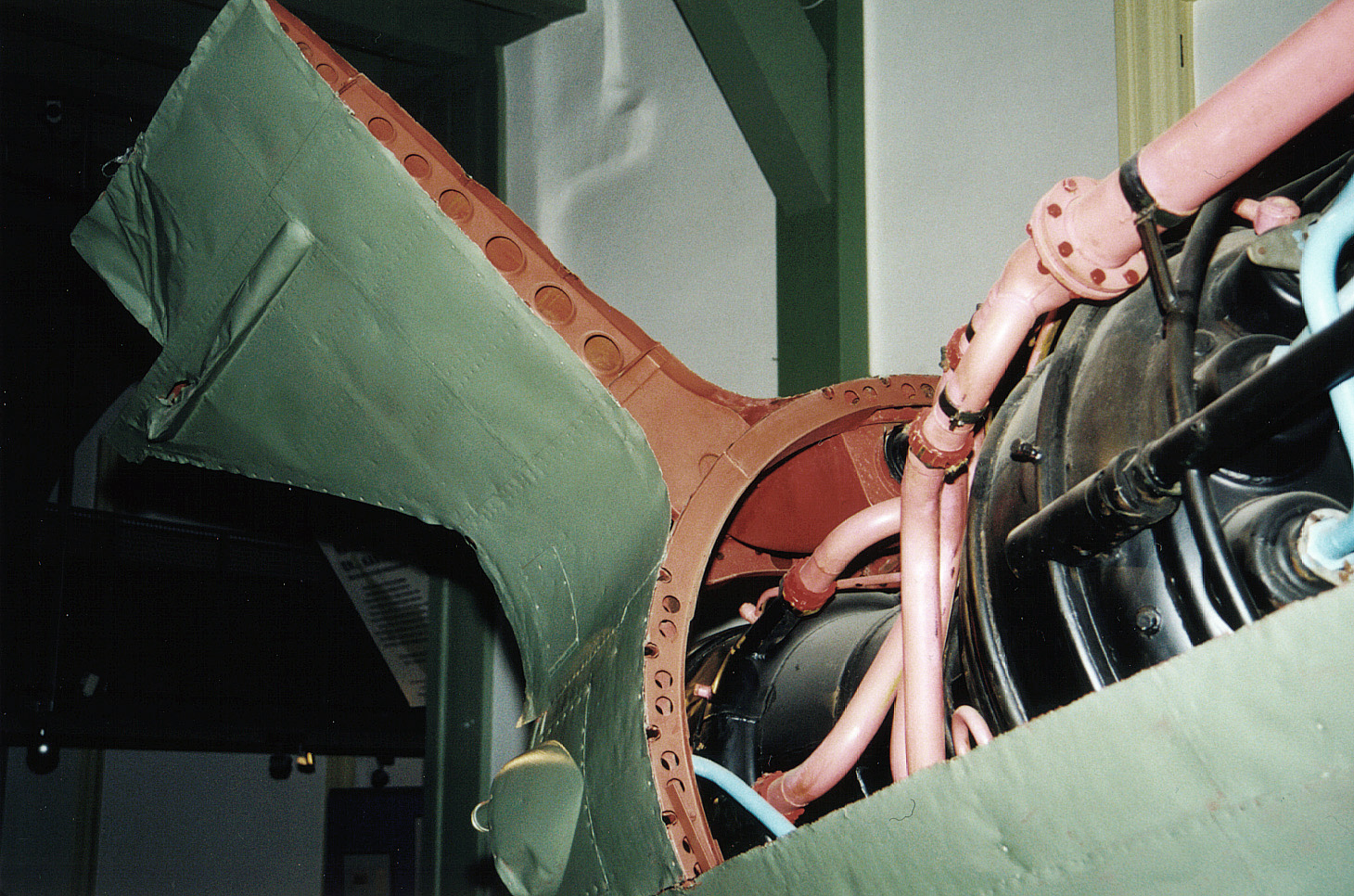
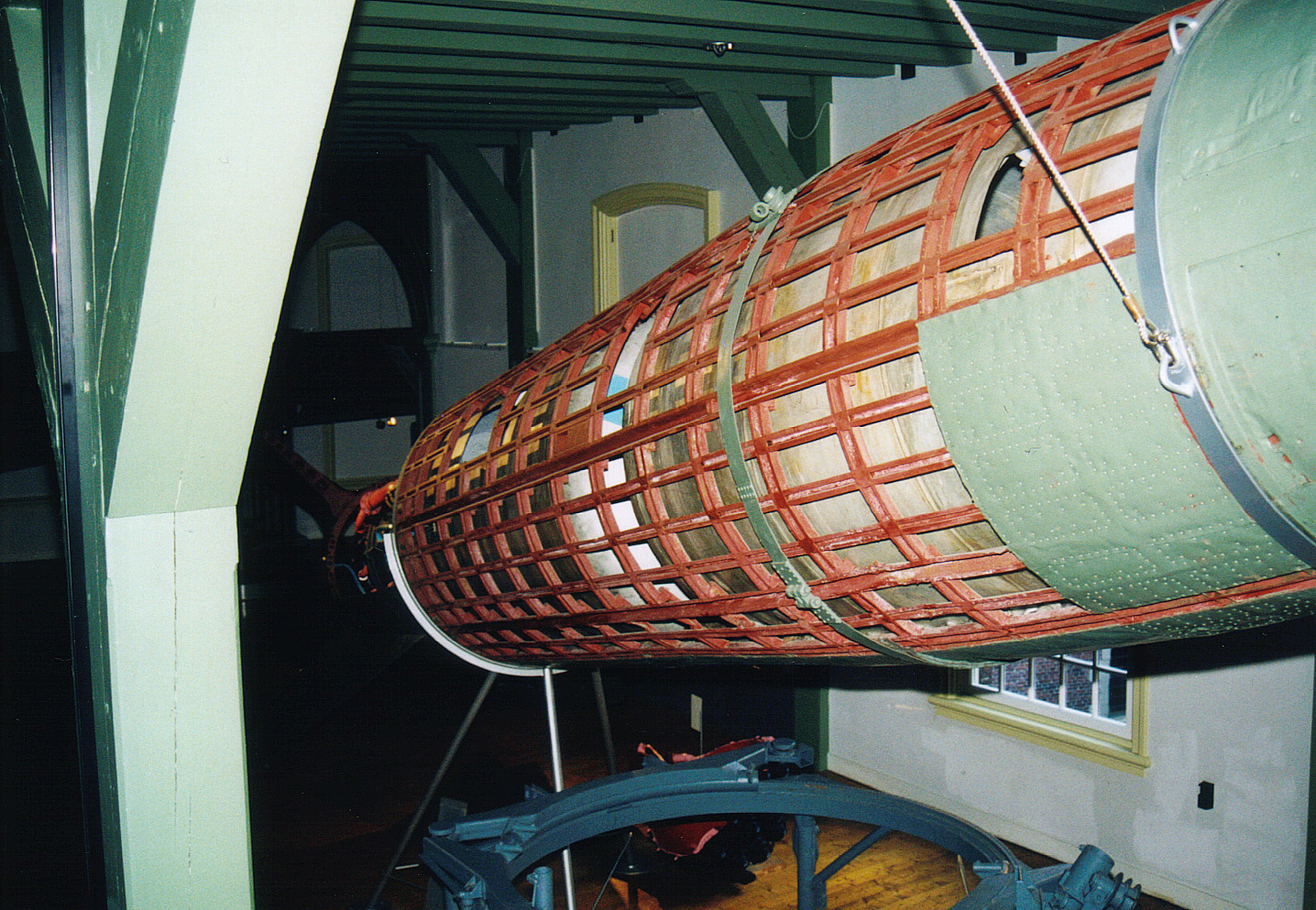
collection consists of a
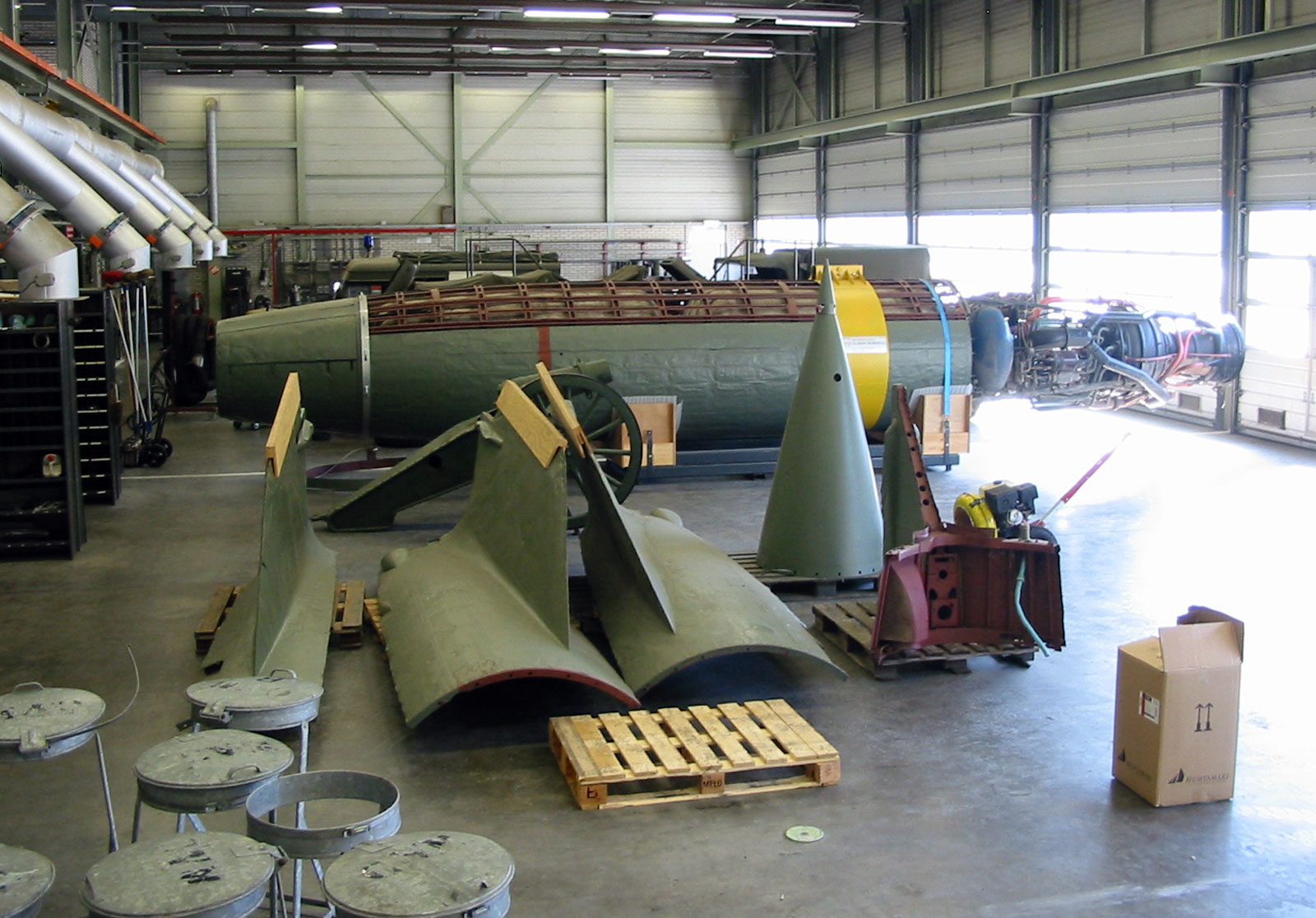
V-2 rocket with
launching table, a
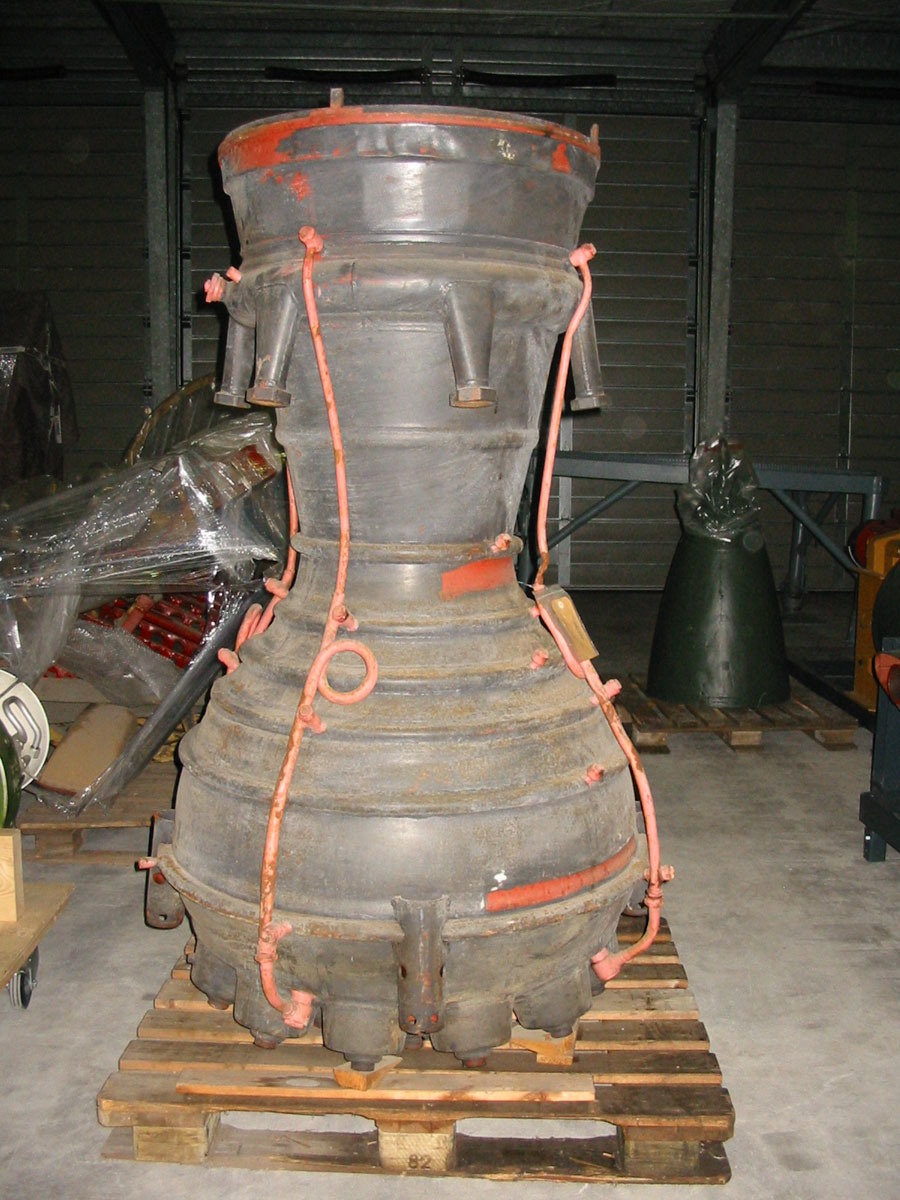
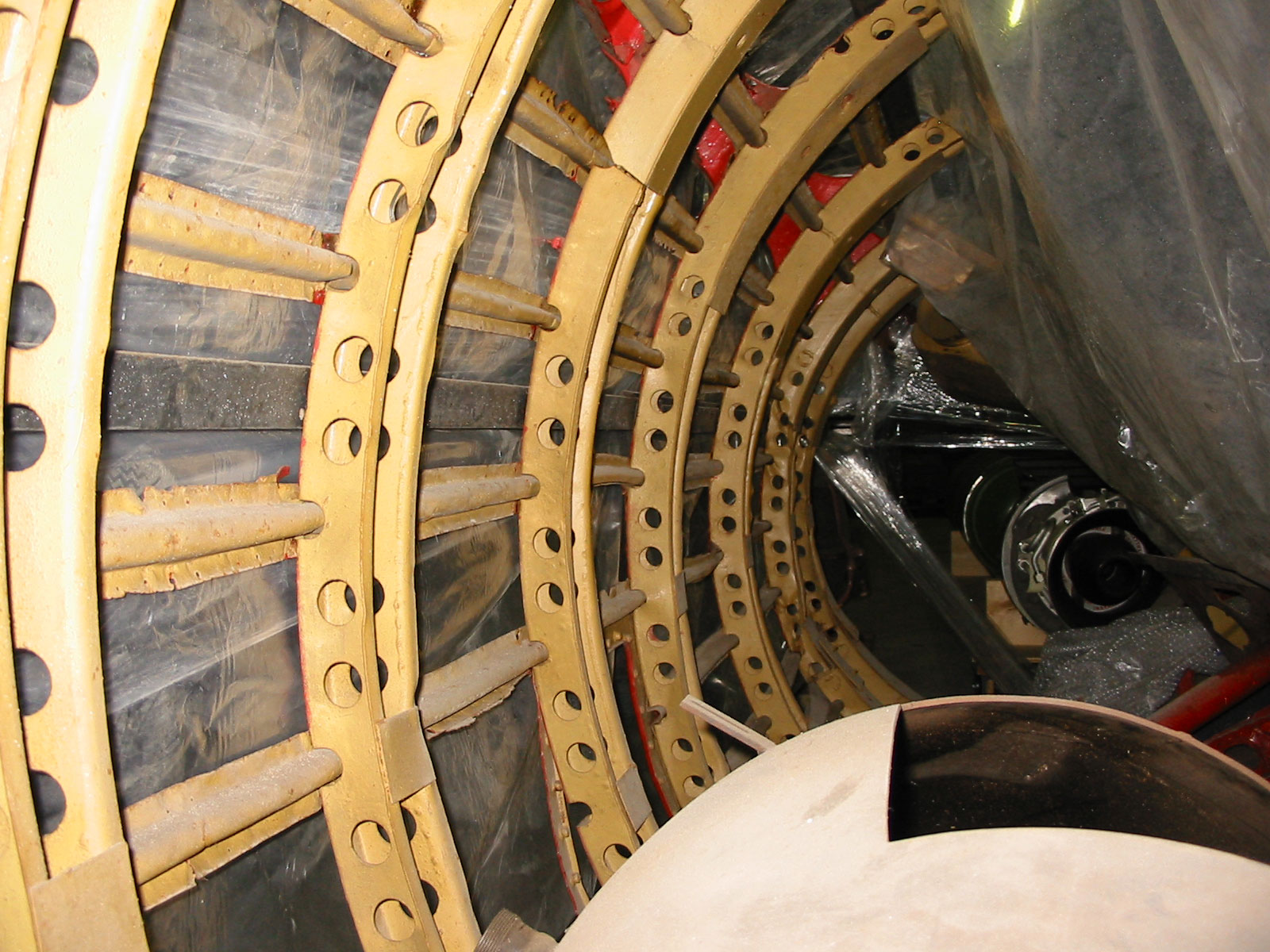
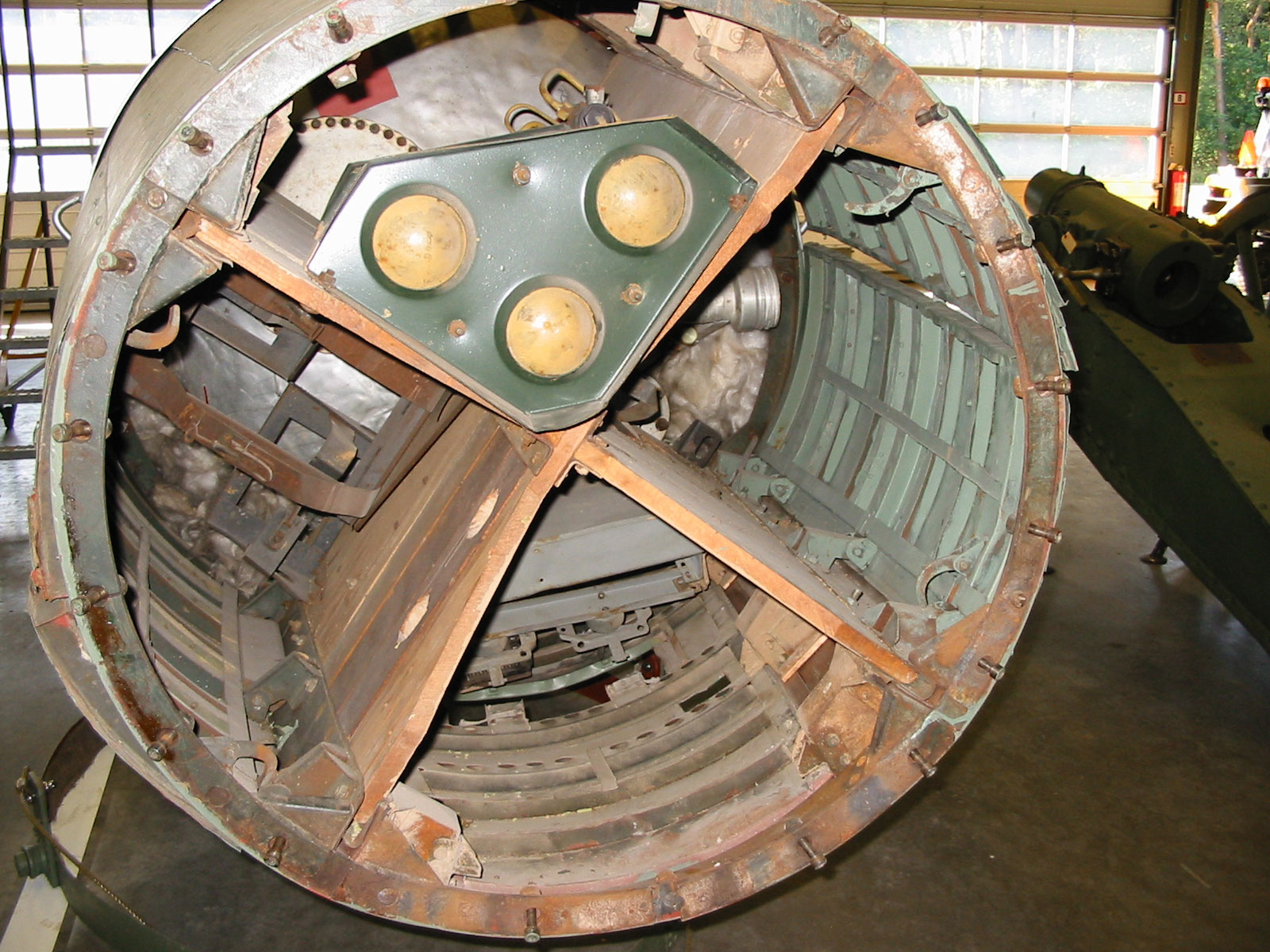
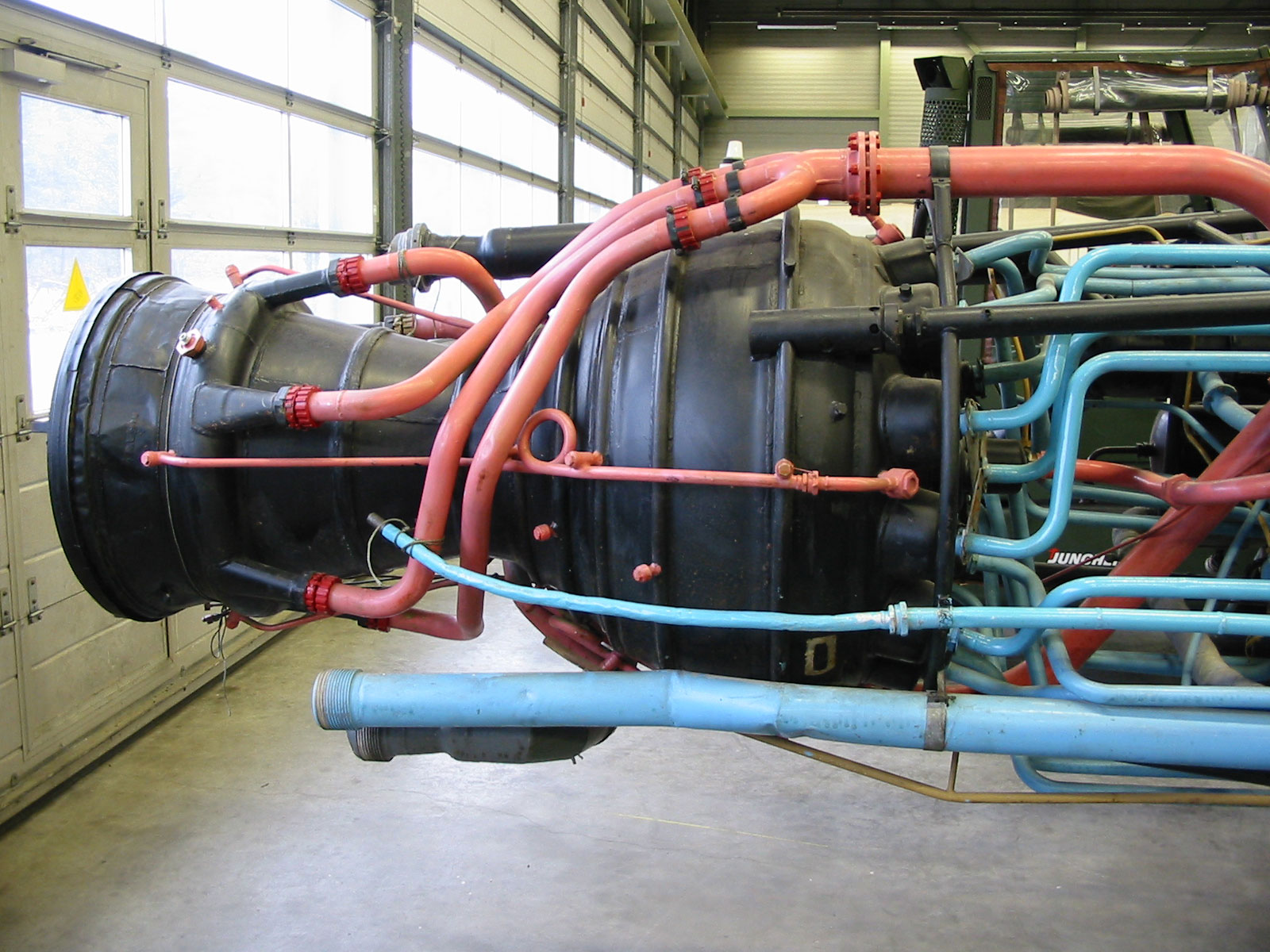
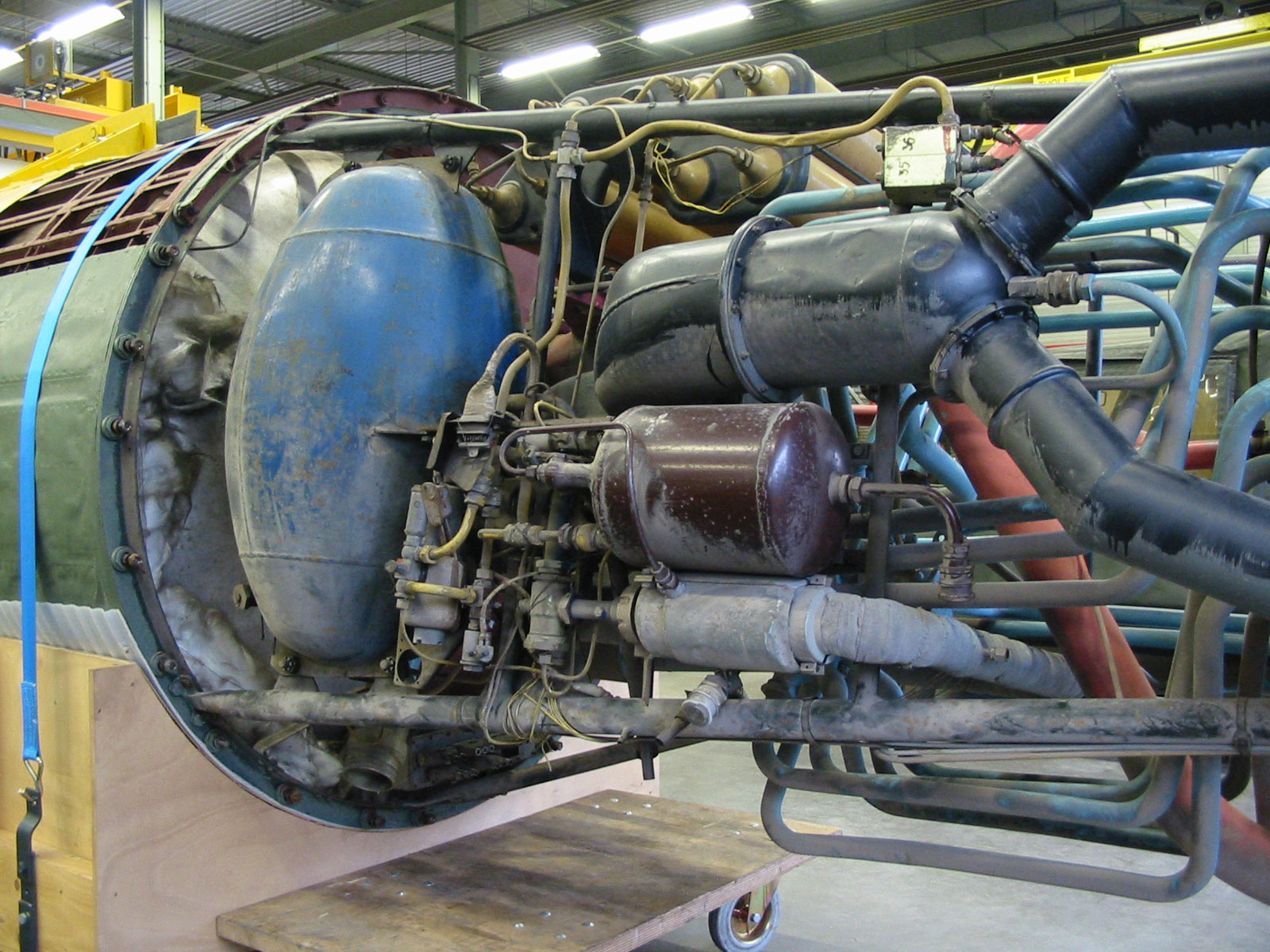
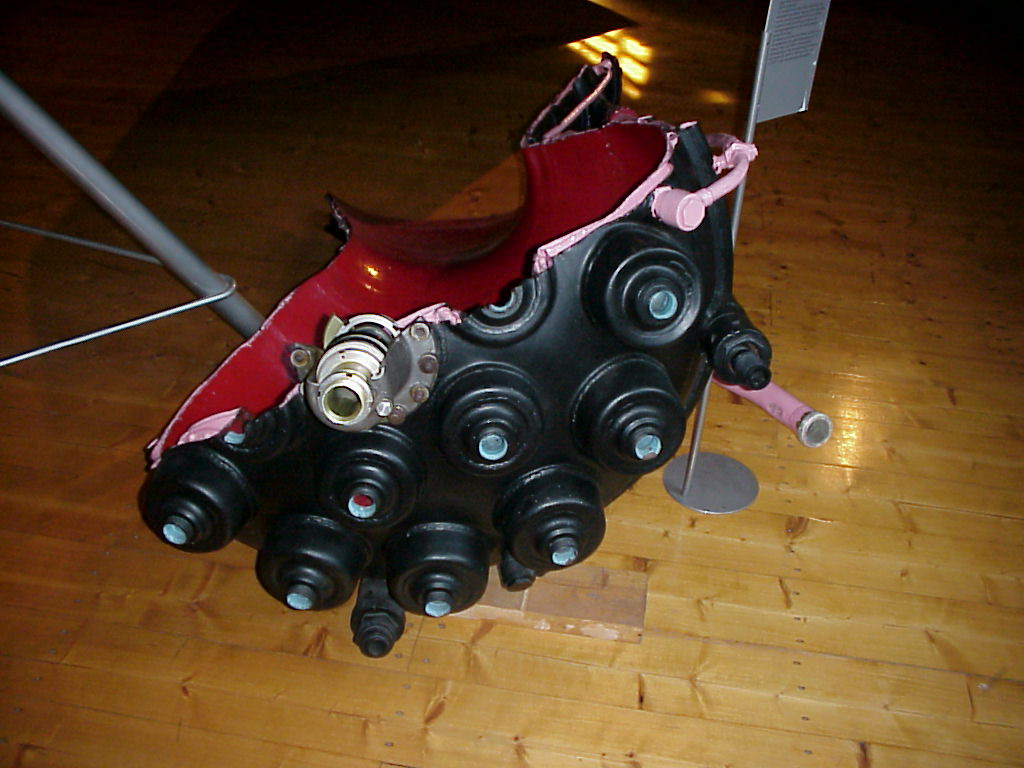
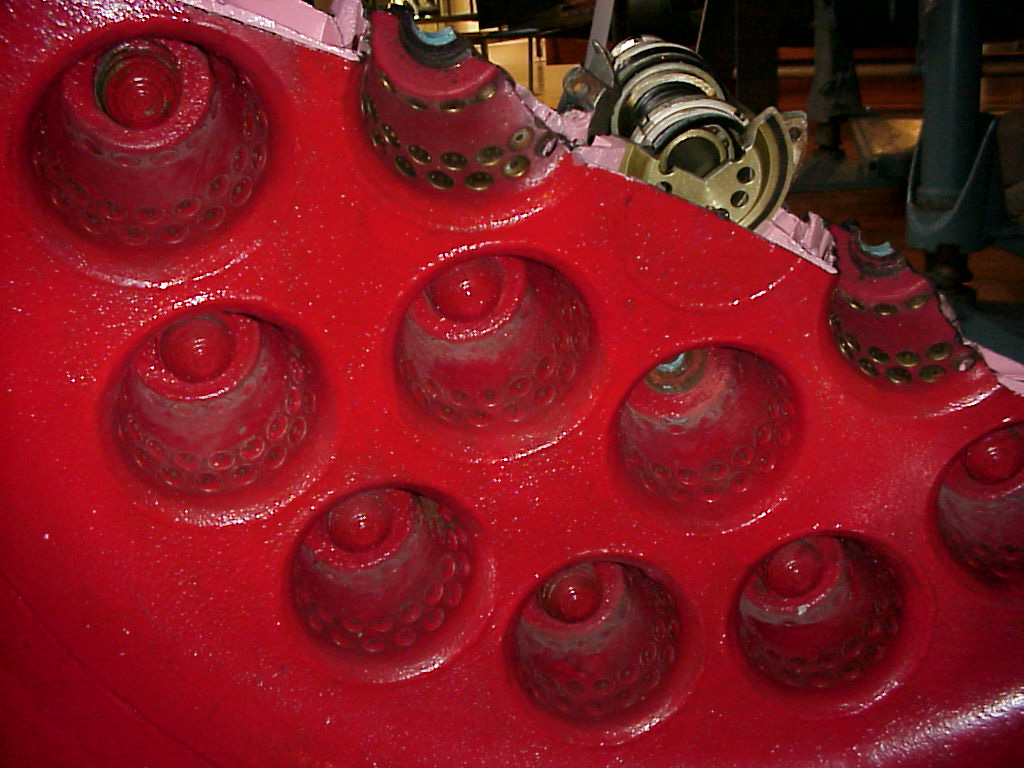
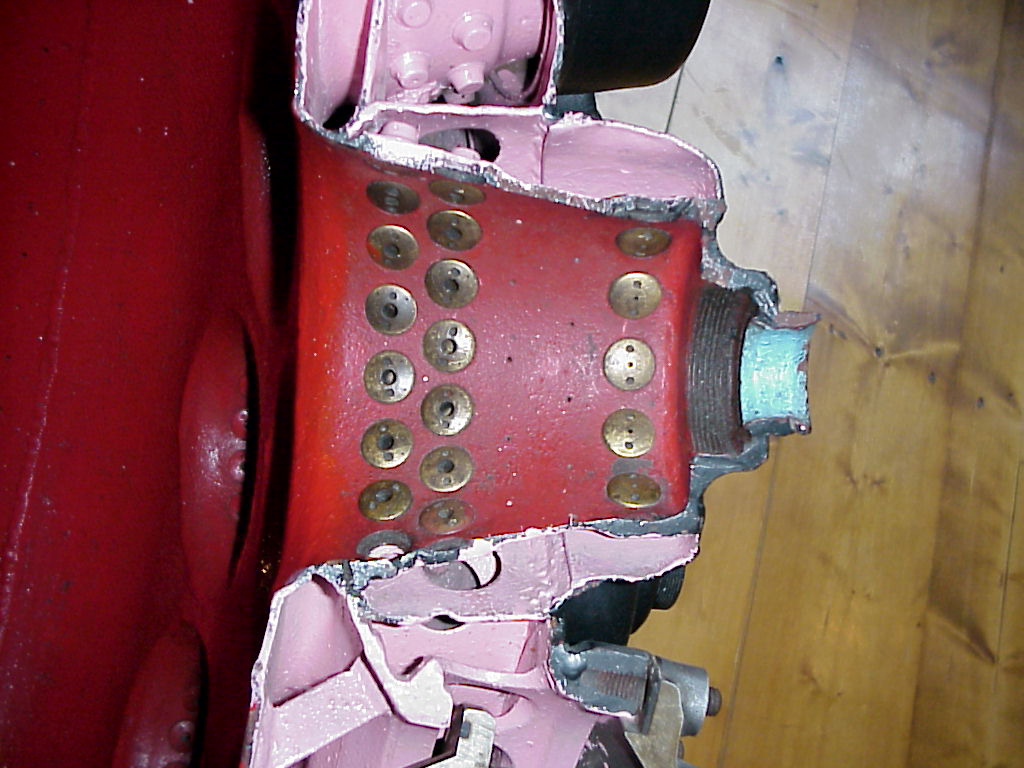
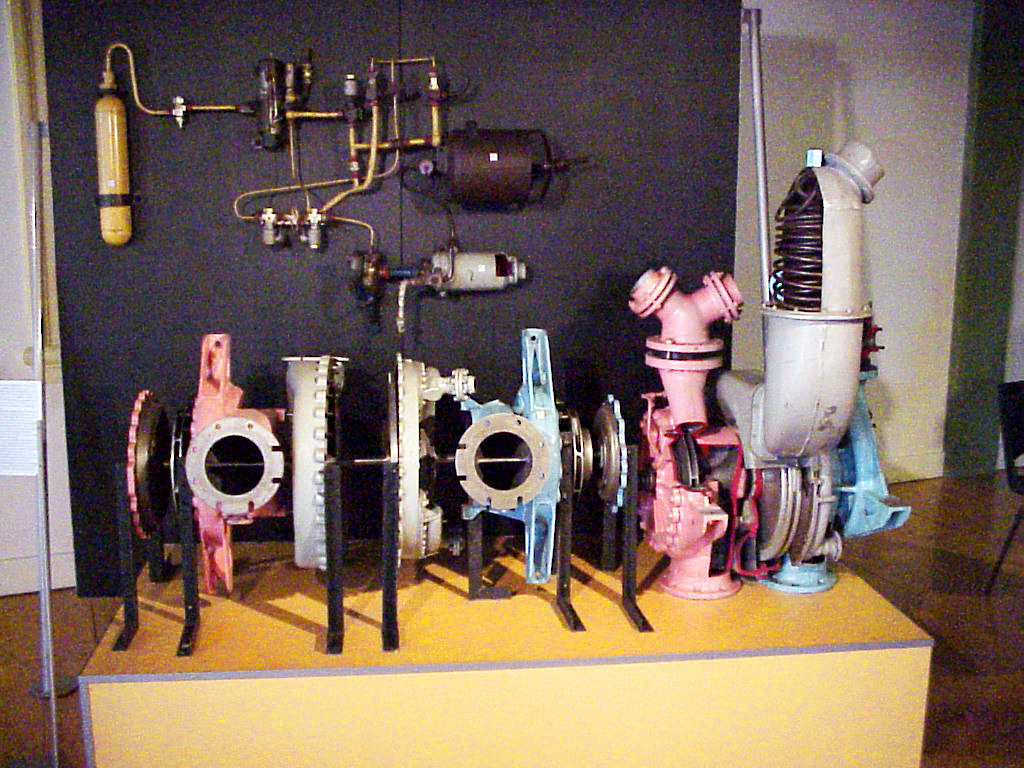
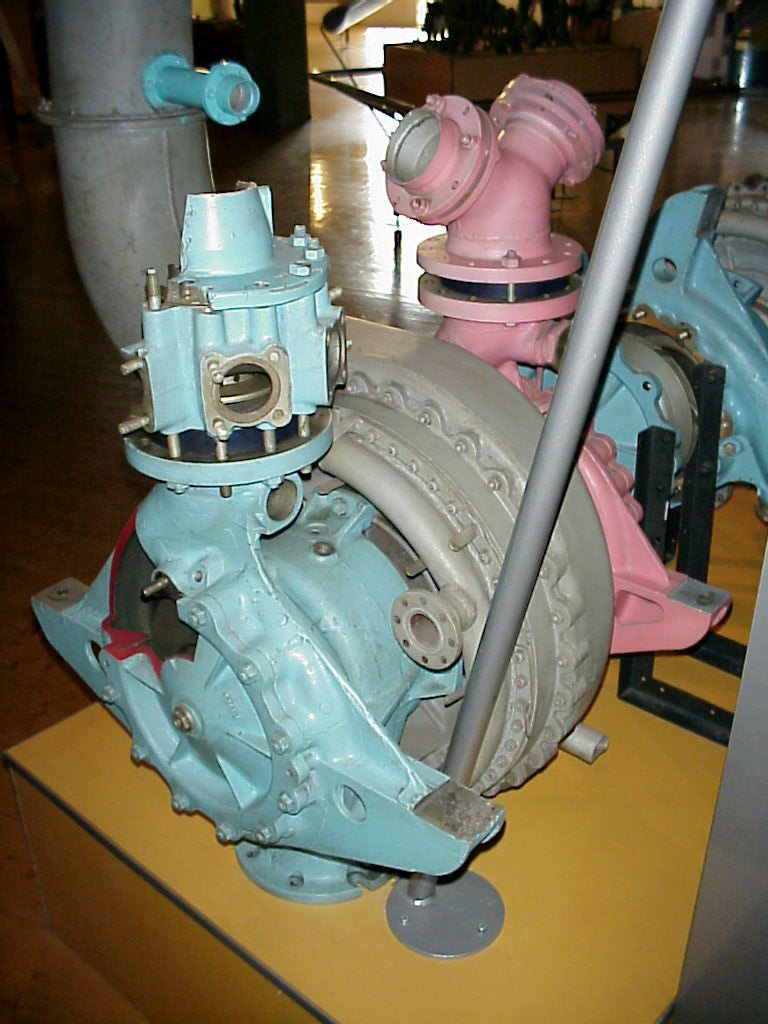
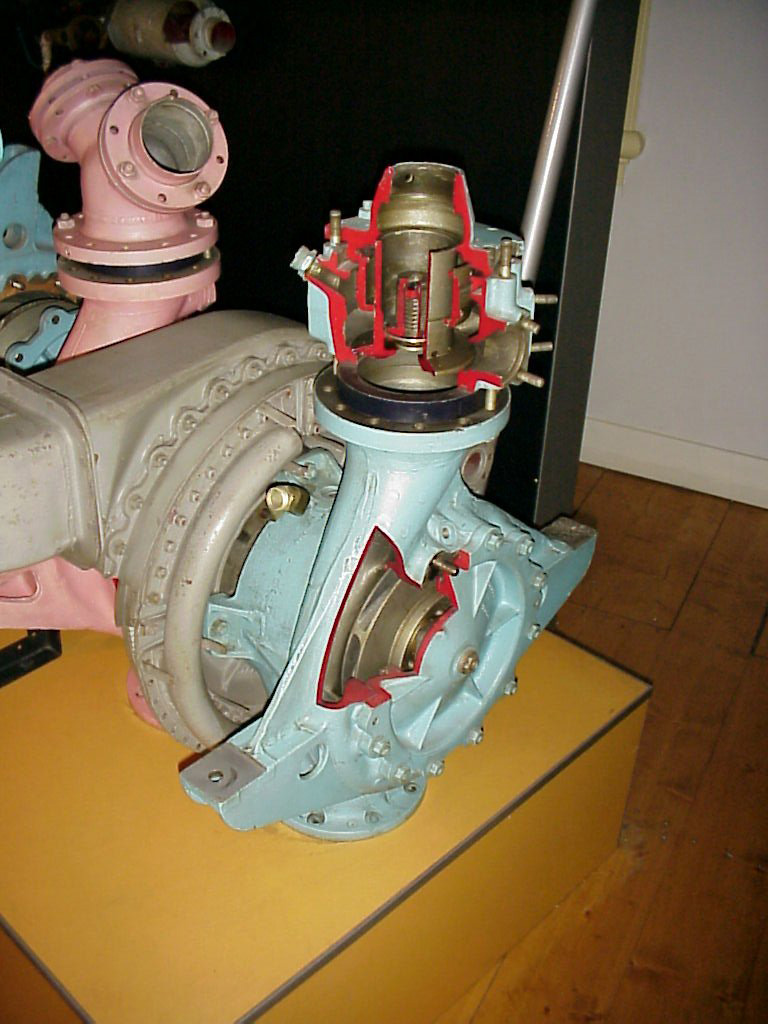
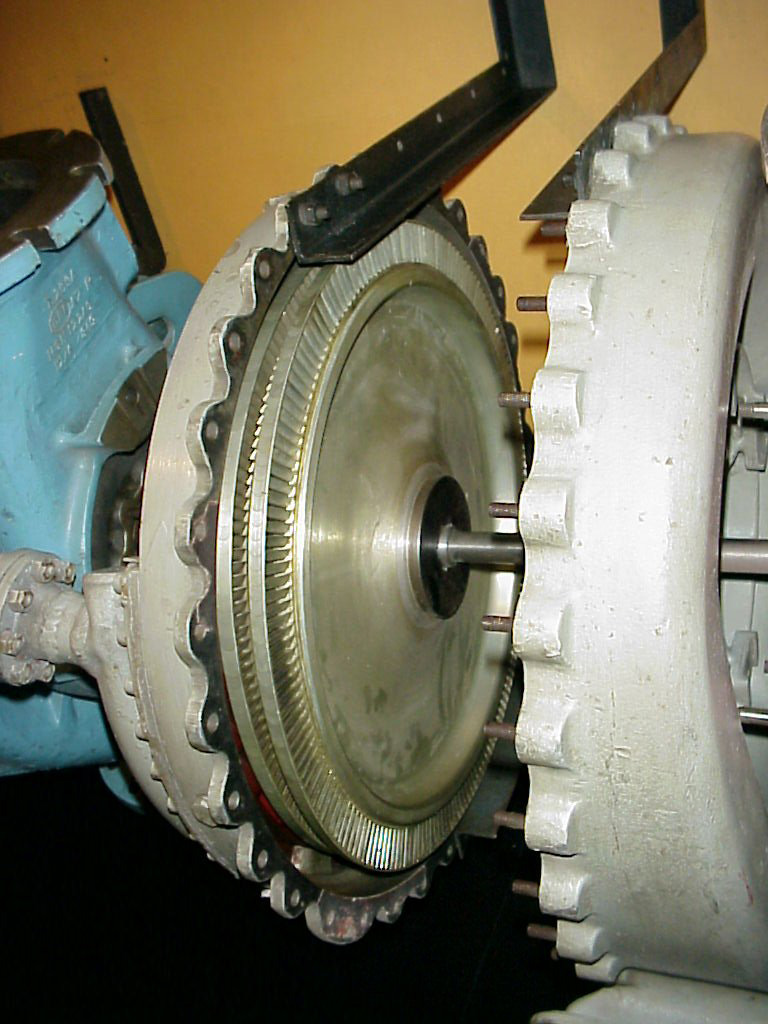
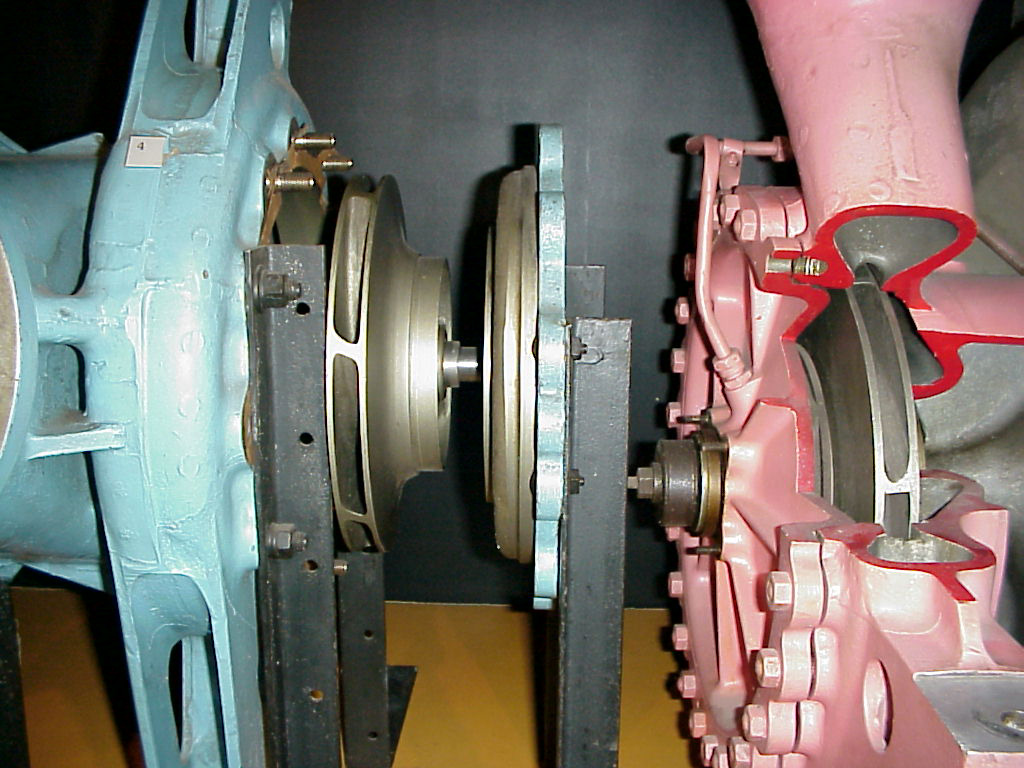
detailed motor and pump,
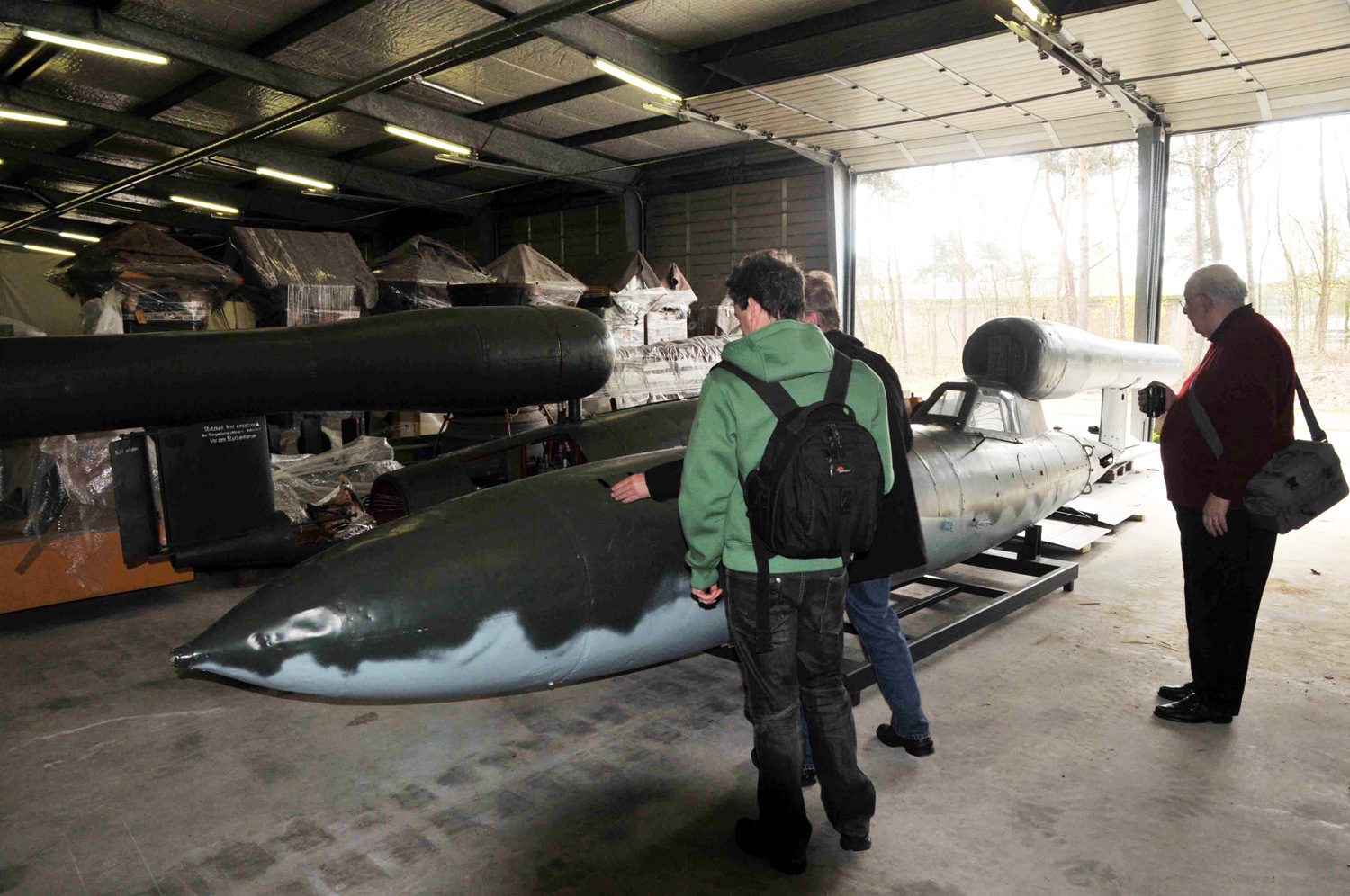
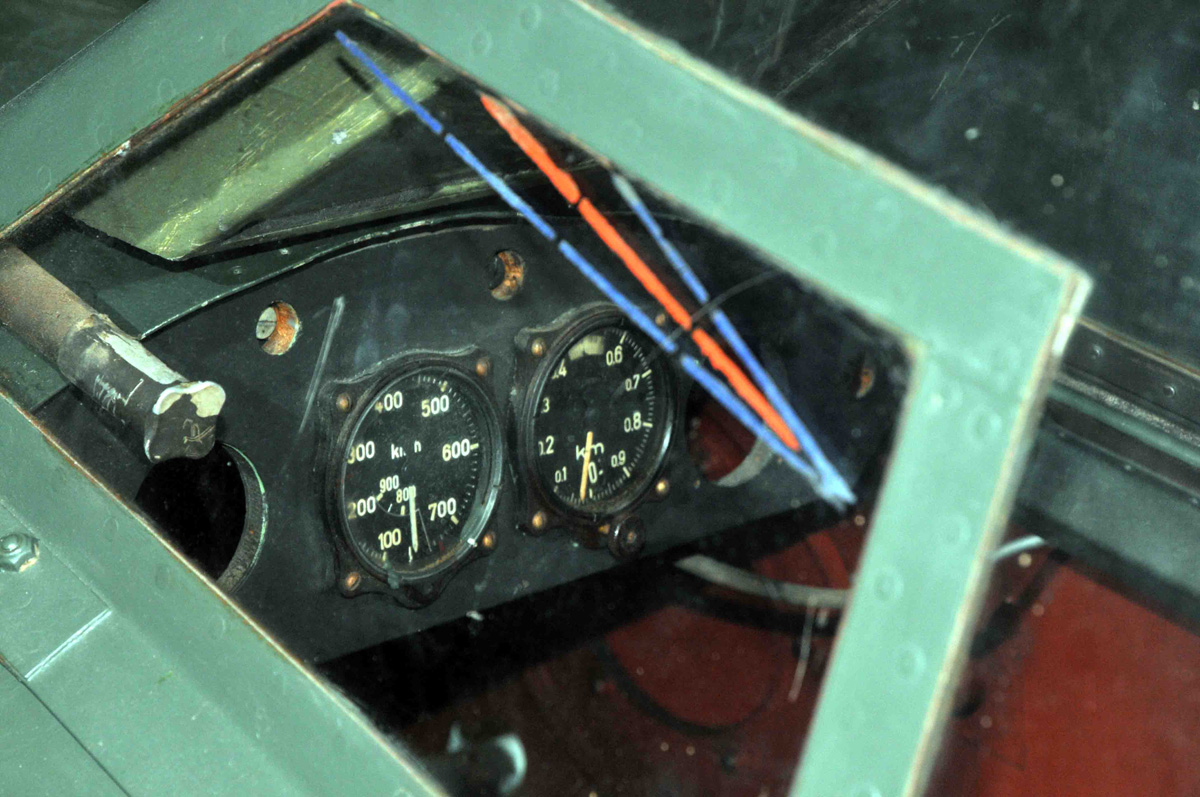
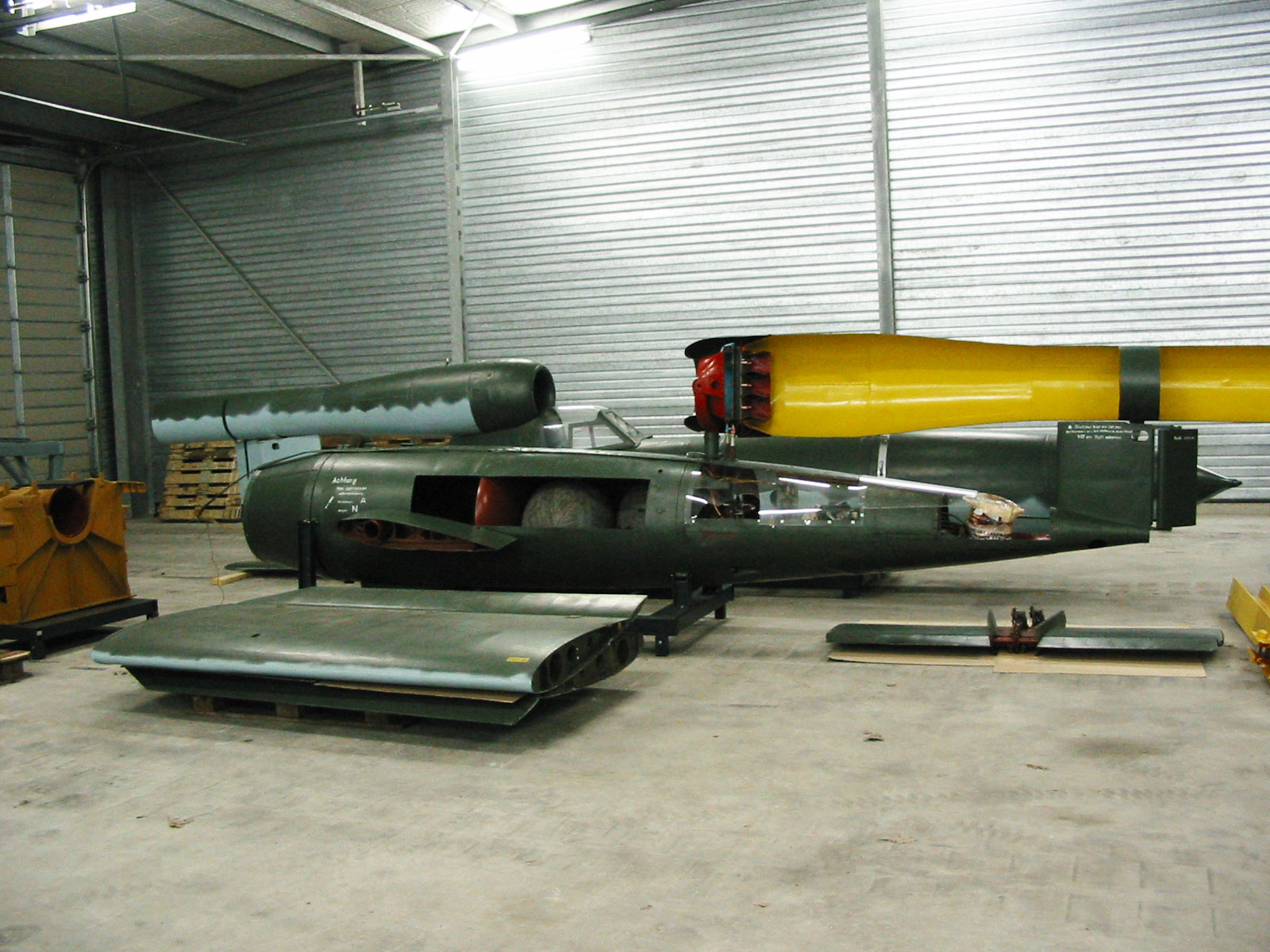
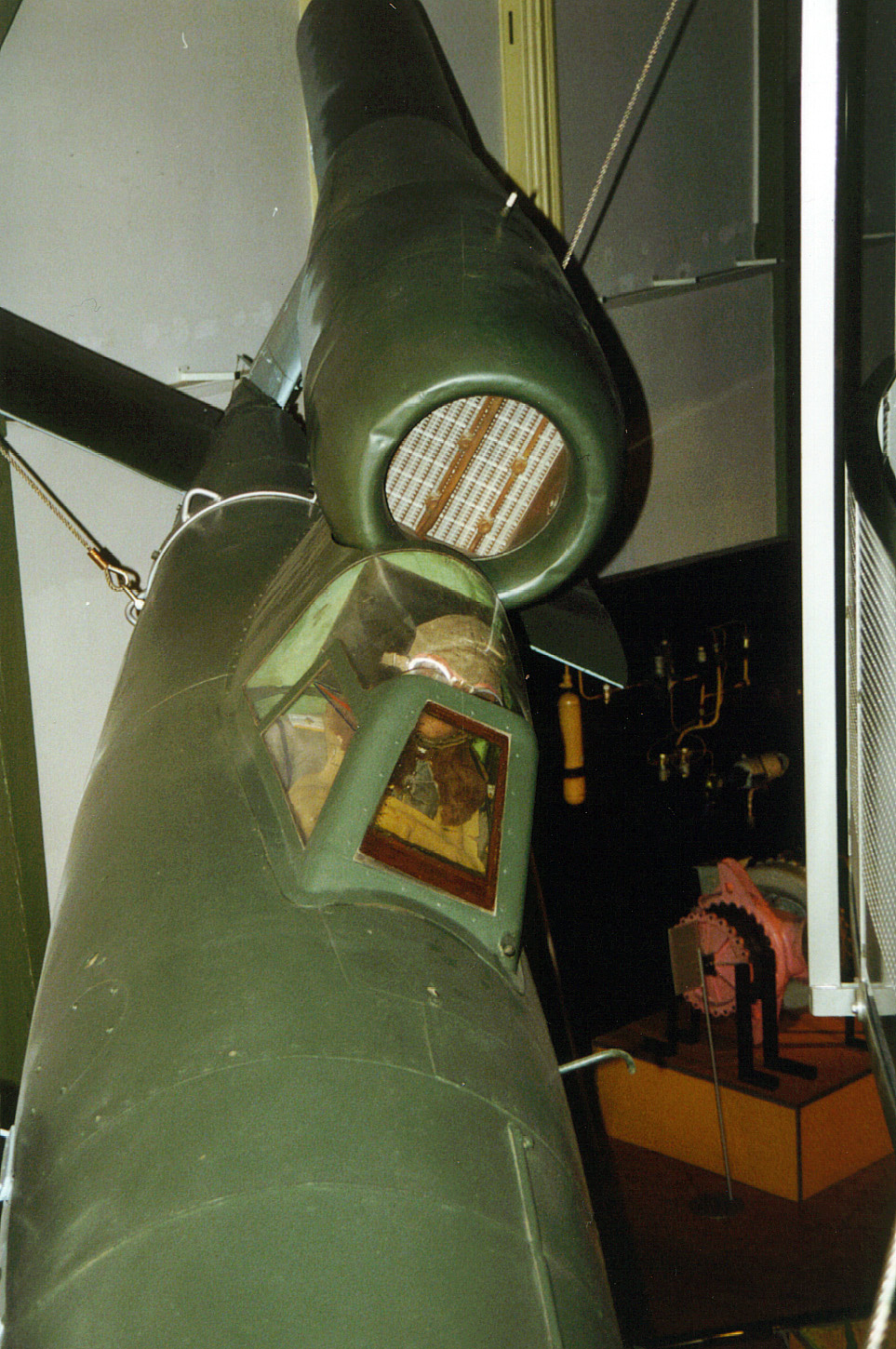
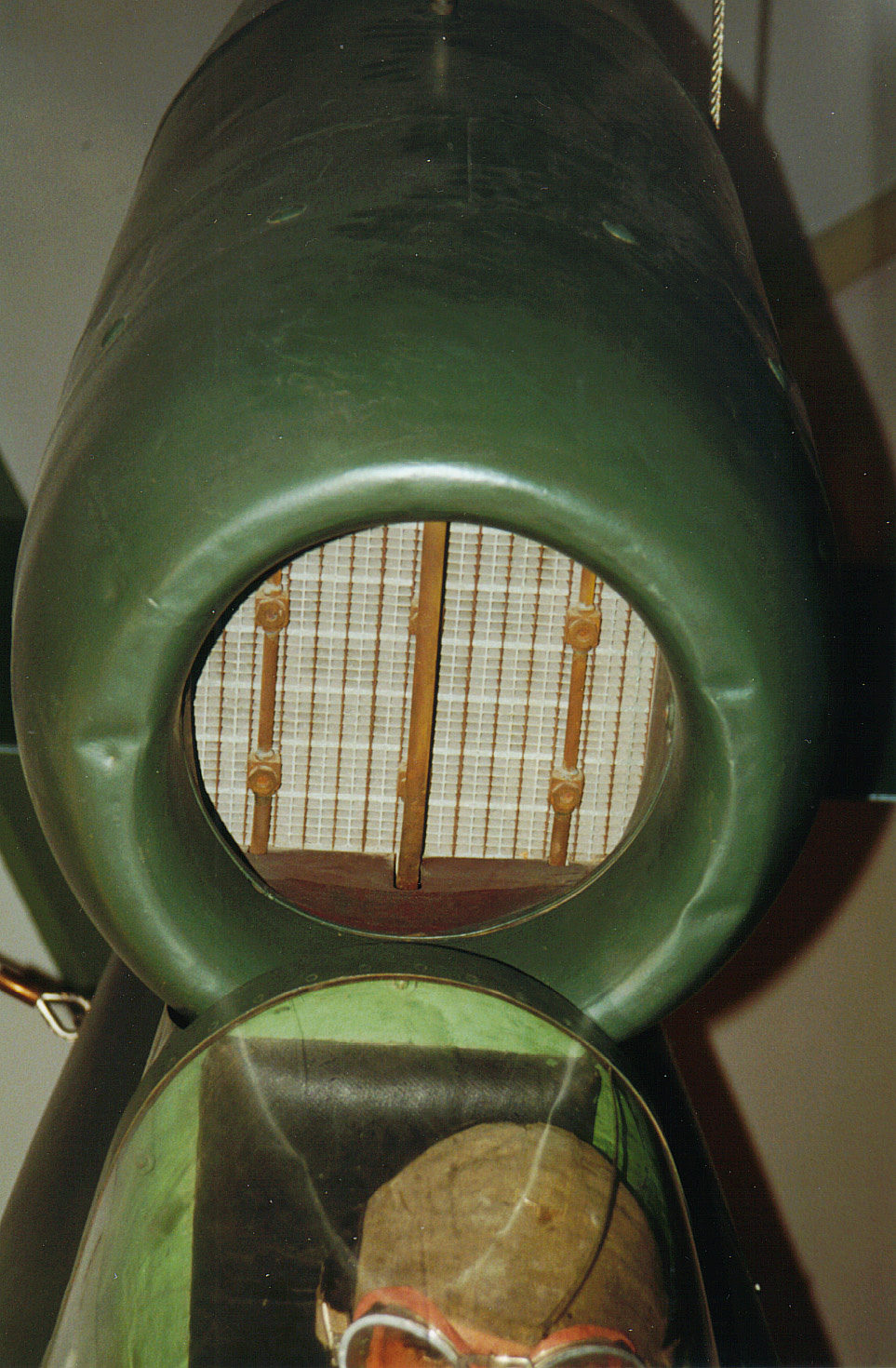
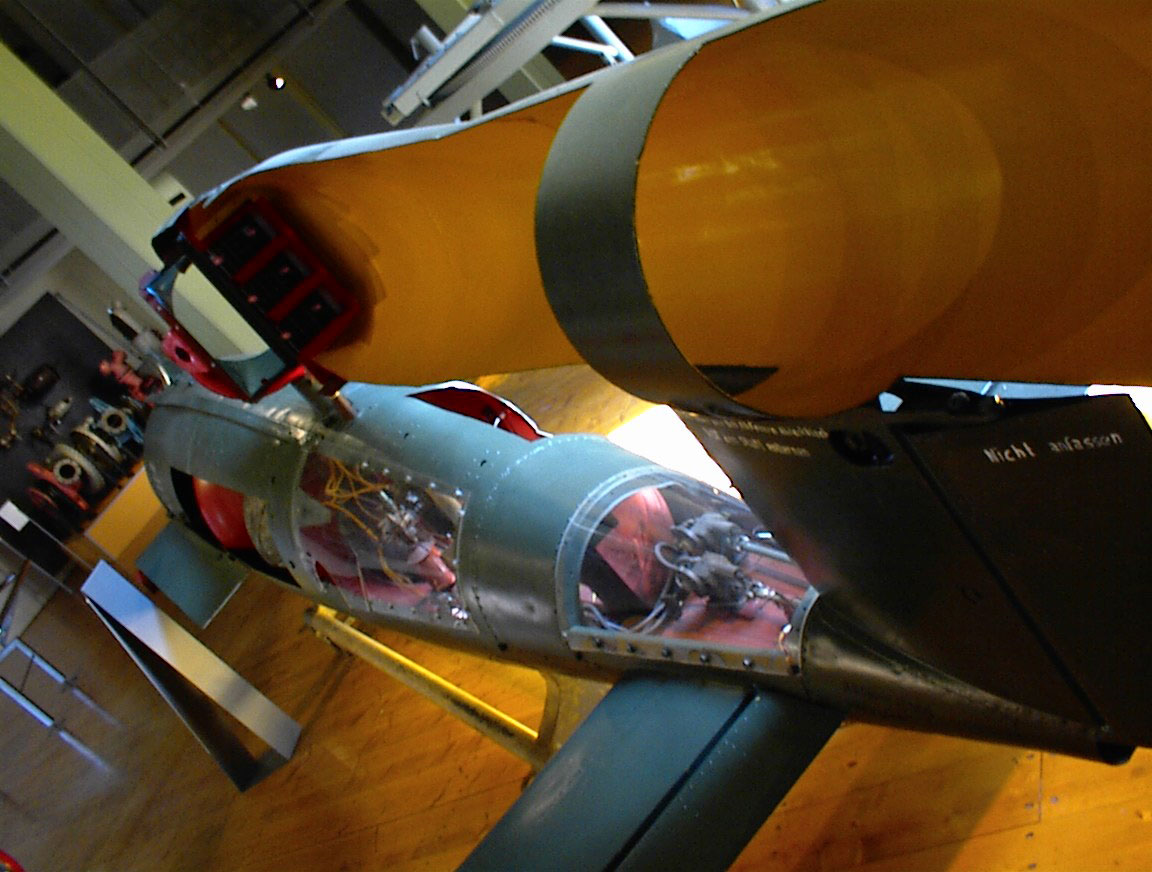
along with a V-1 on its
original trolly
"Vorbringerwagen" and a
manned V-1 version
called "Reichenberg."
These items are unique
in the world and are
100% original – no parts
were made after the war
to complete the rockets.
7
In 2004 the
Dutch Army Museum placed
the collection of
V-Weapons into the
museum storage away from
public view. This was
done to make room for
more kid-friendly
exhibits at the museum.
The collection was moved
to a location near
Nijmegen at military
base "Mobilisatiecomplex
Grave-Driehuis."
7
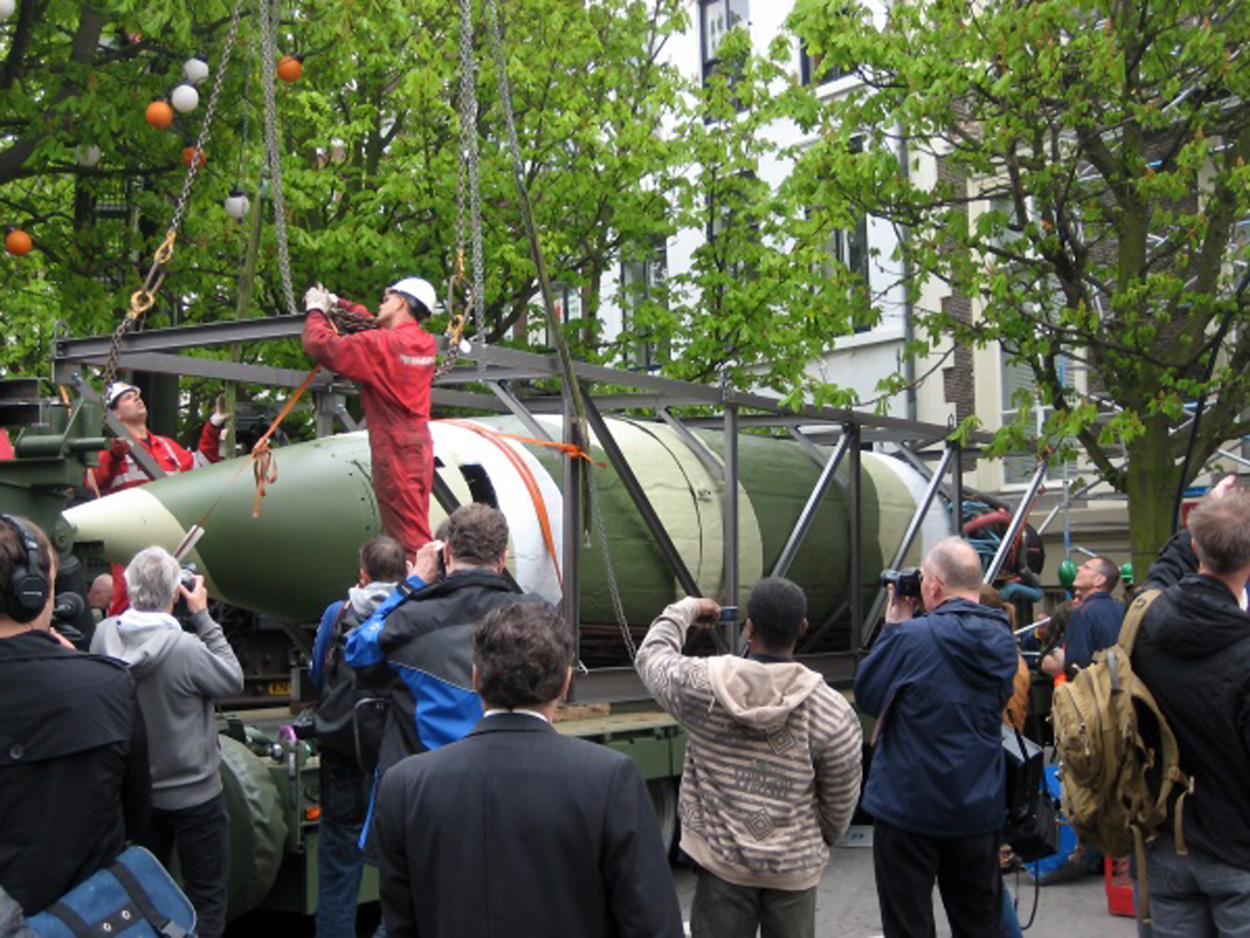
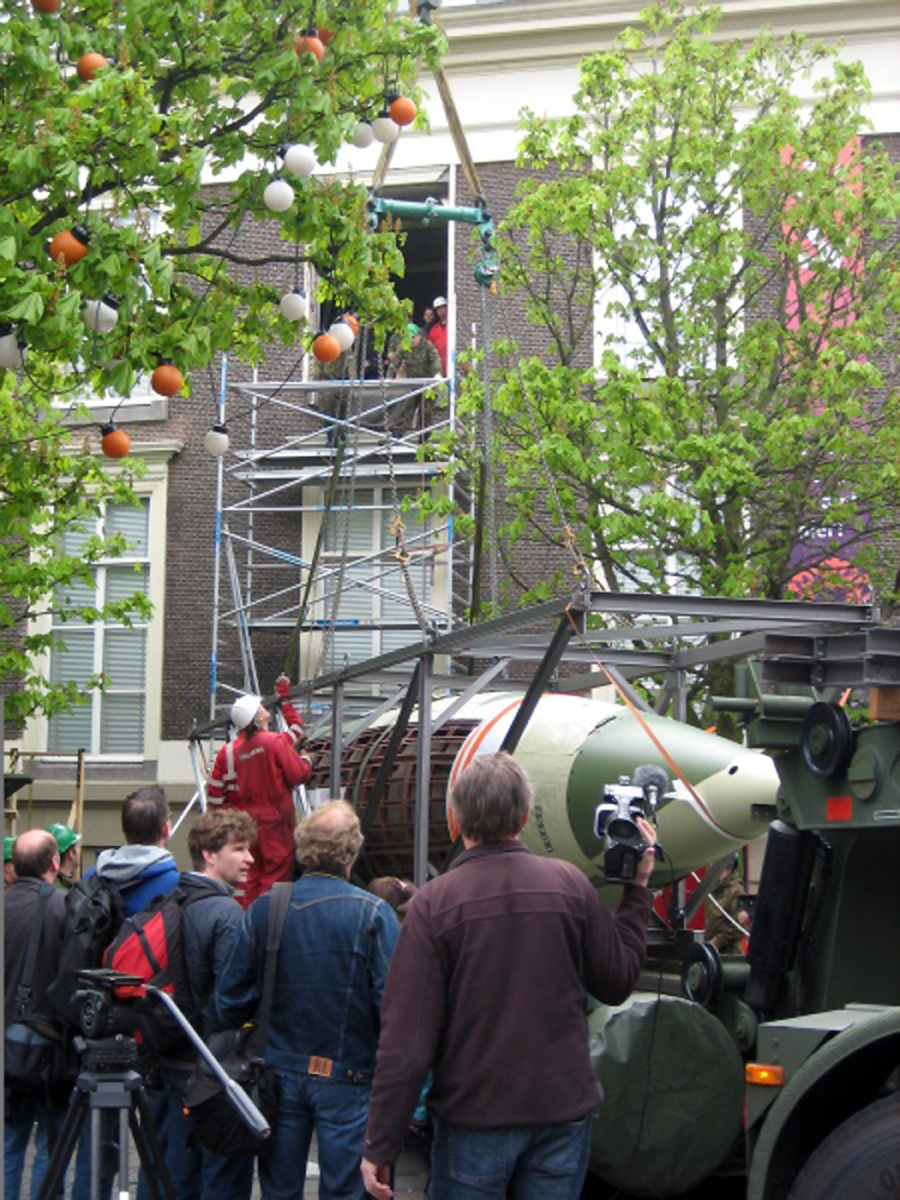
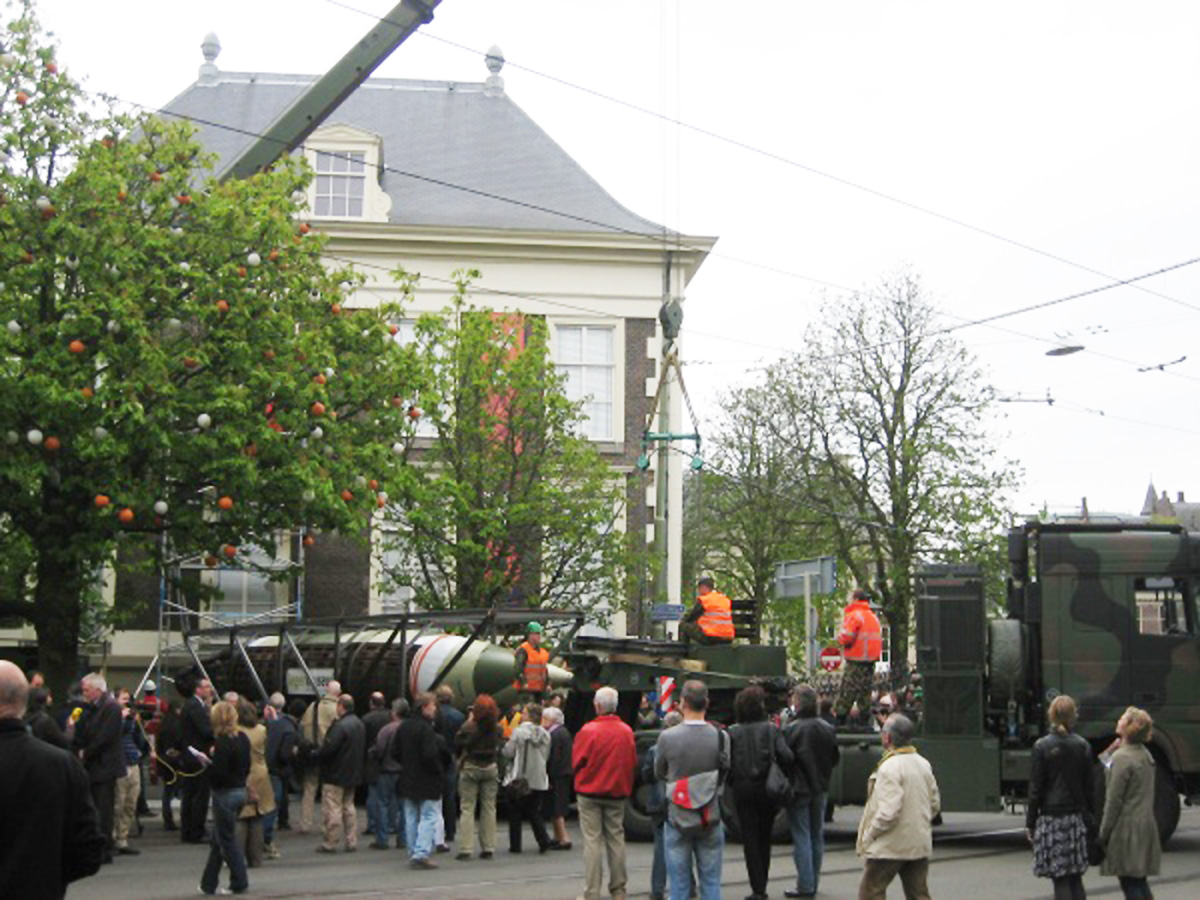
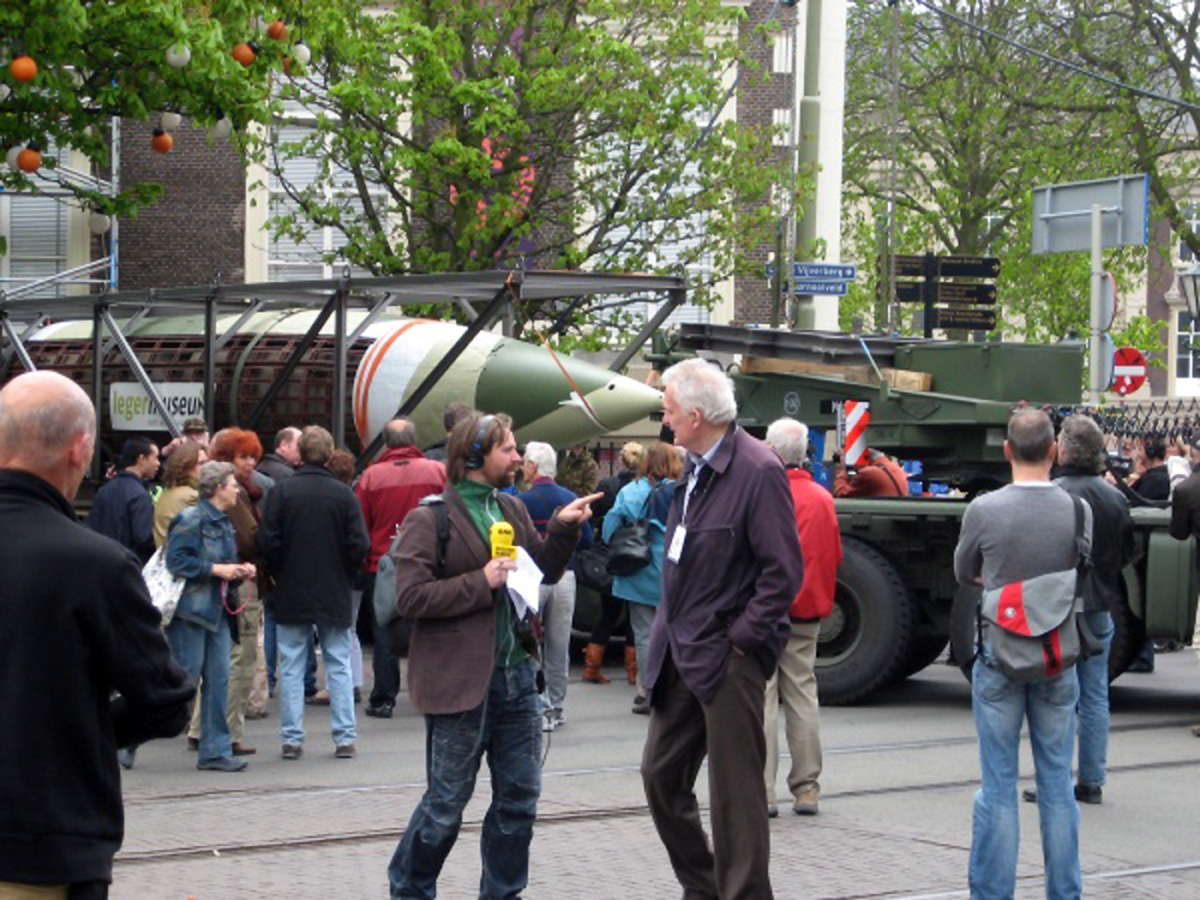
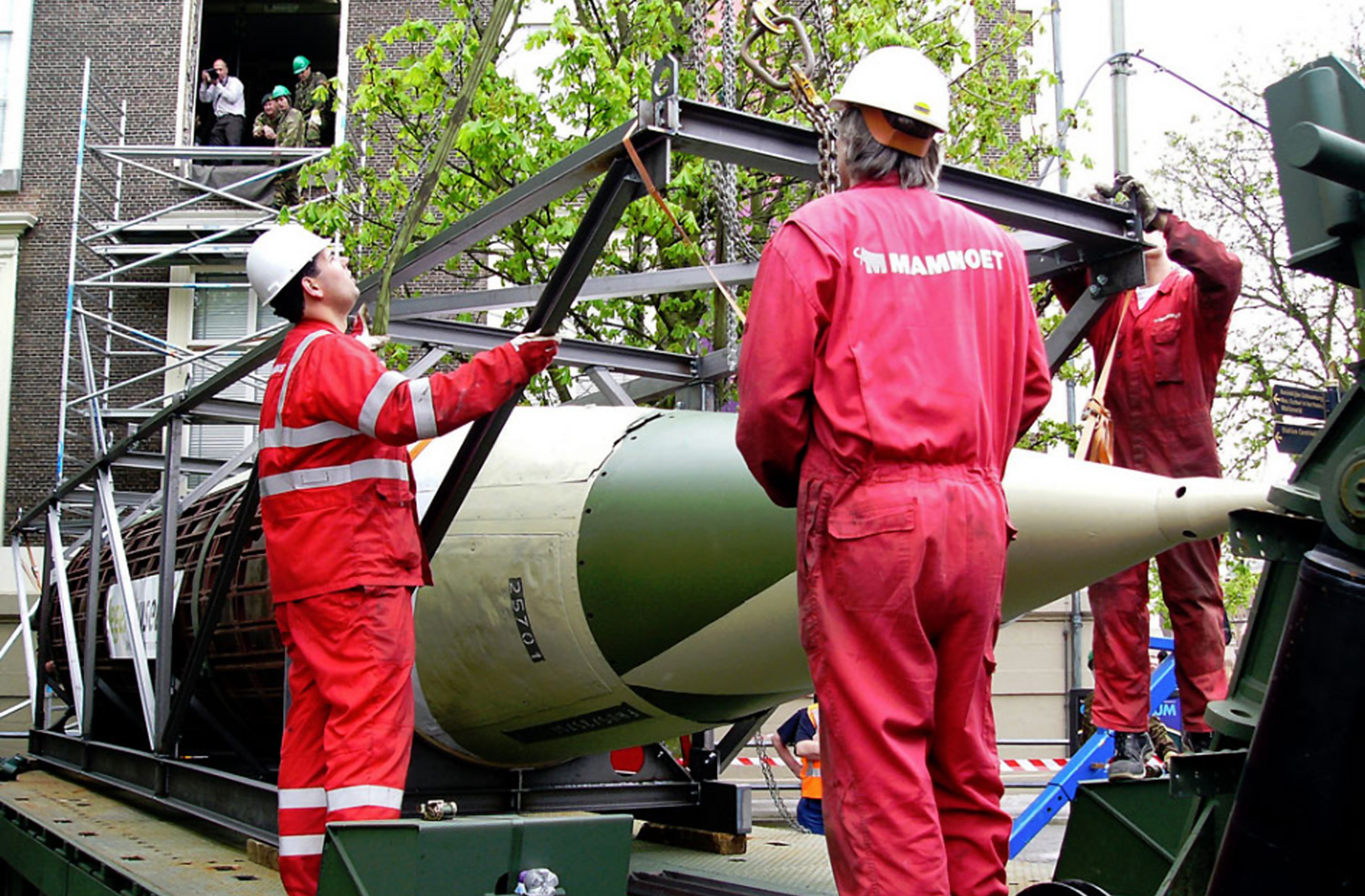
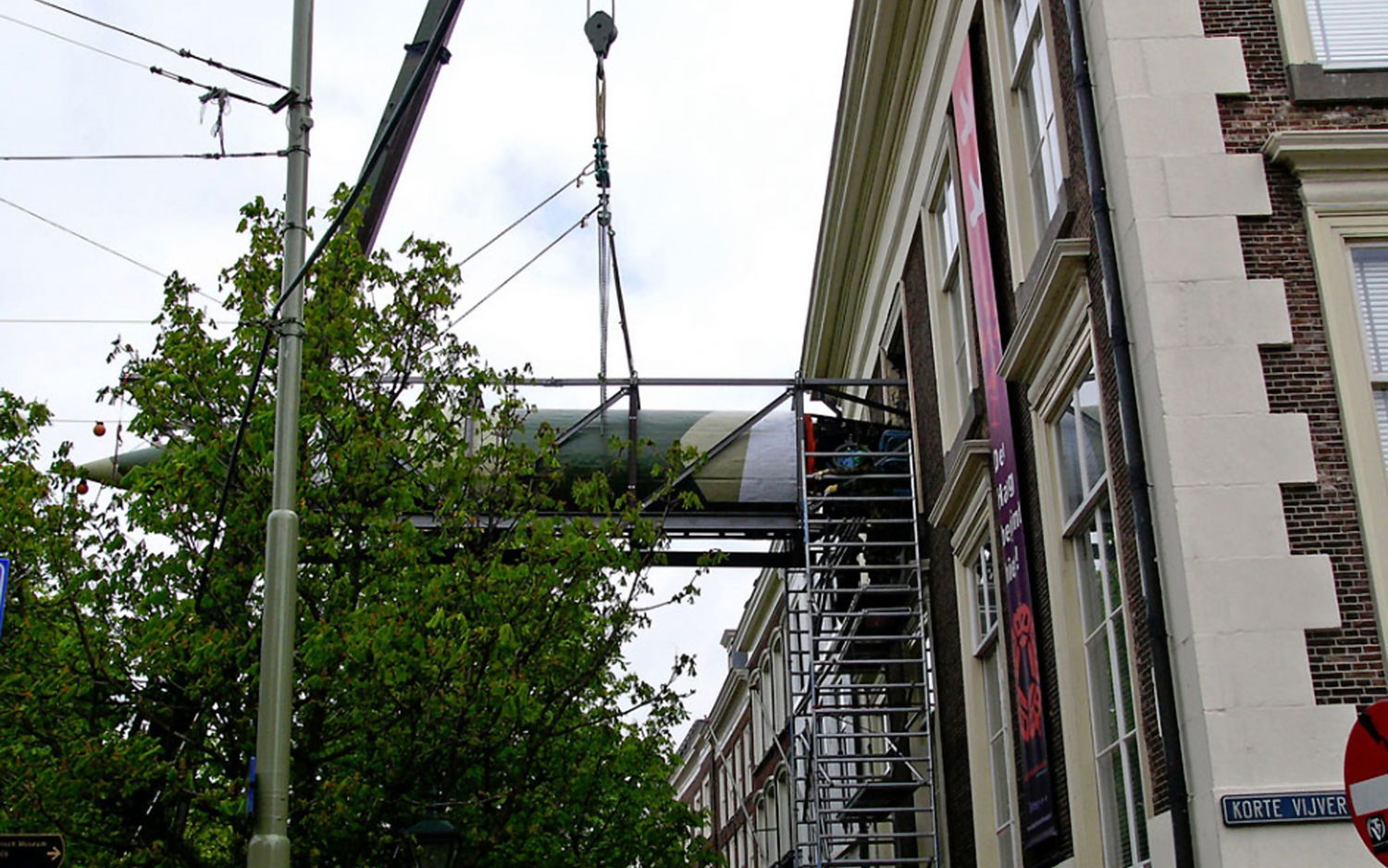
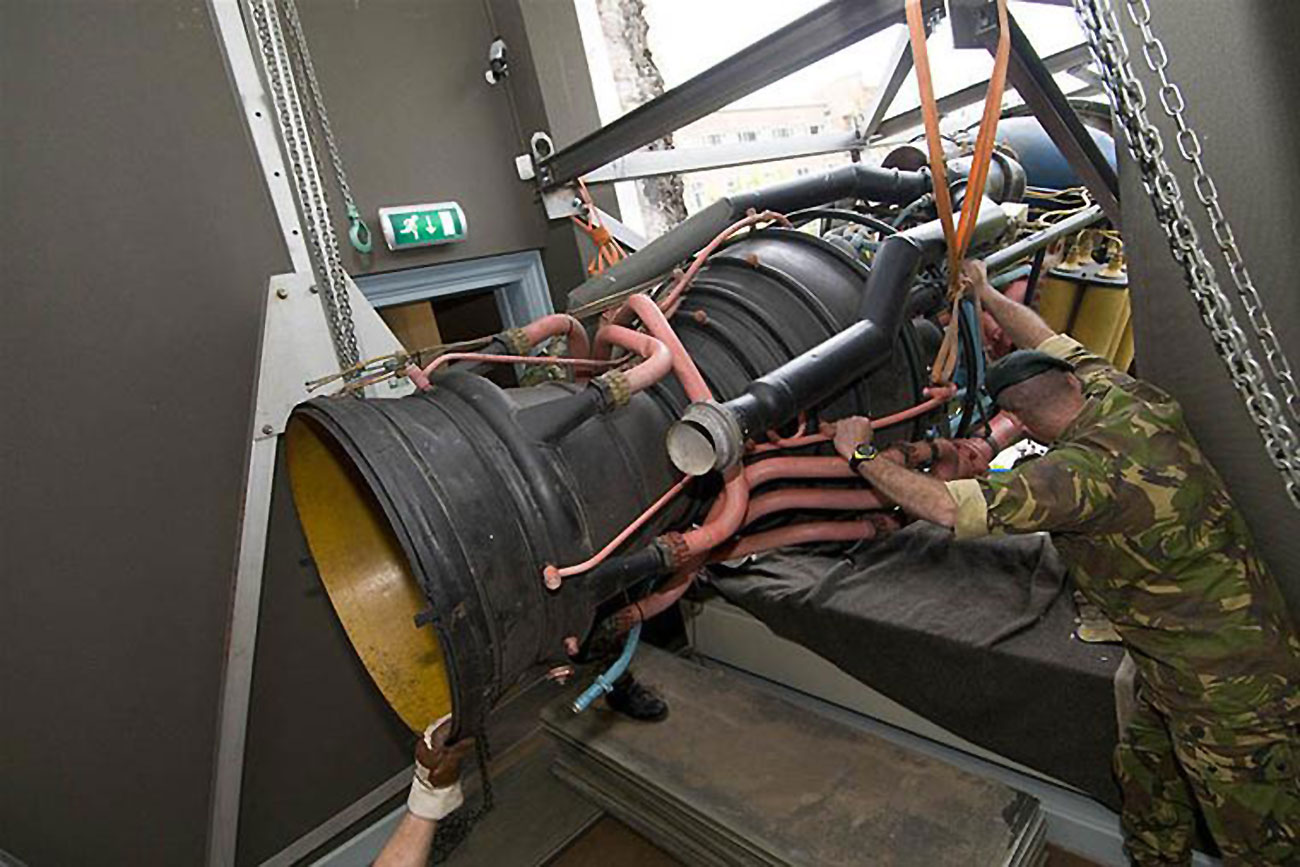
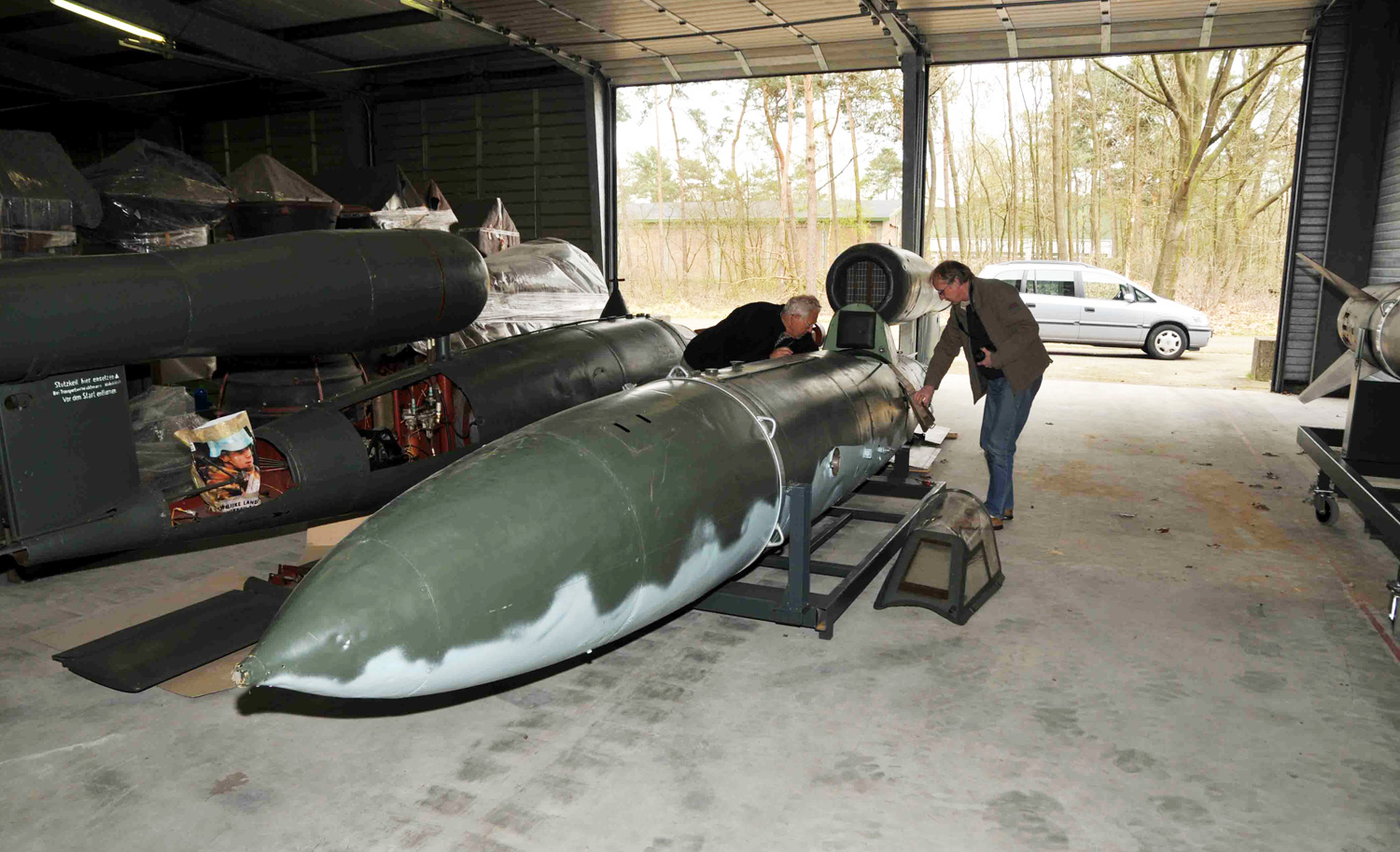
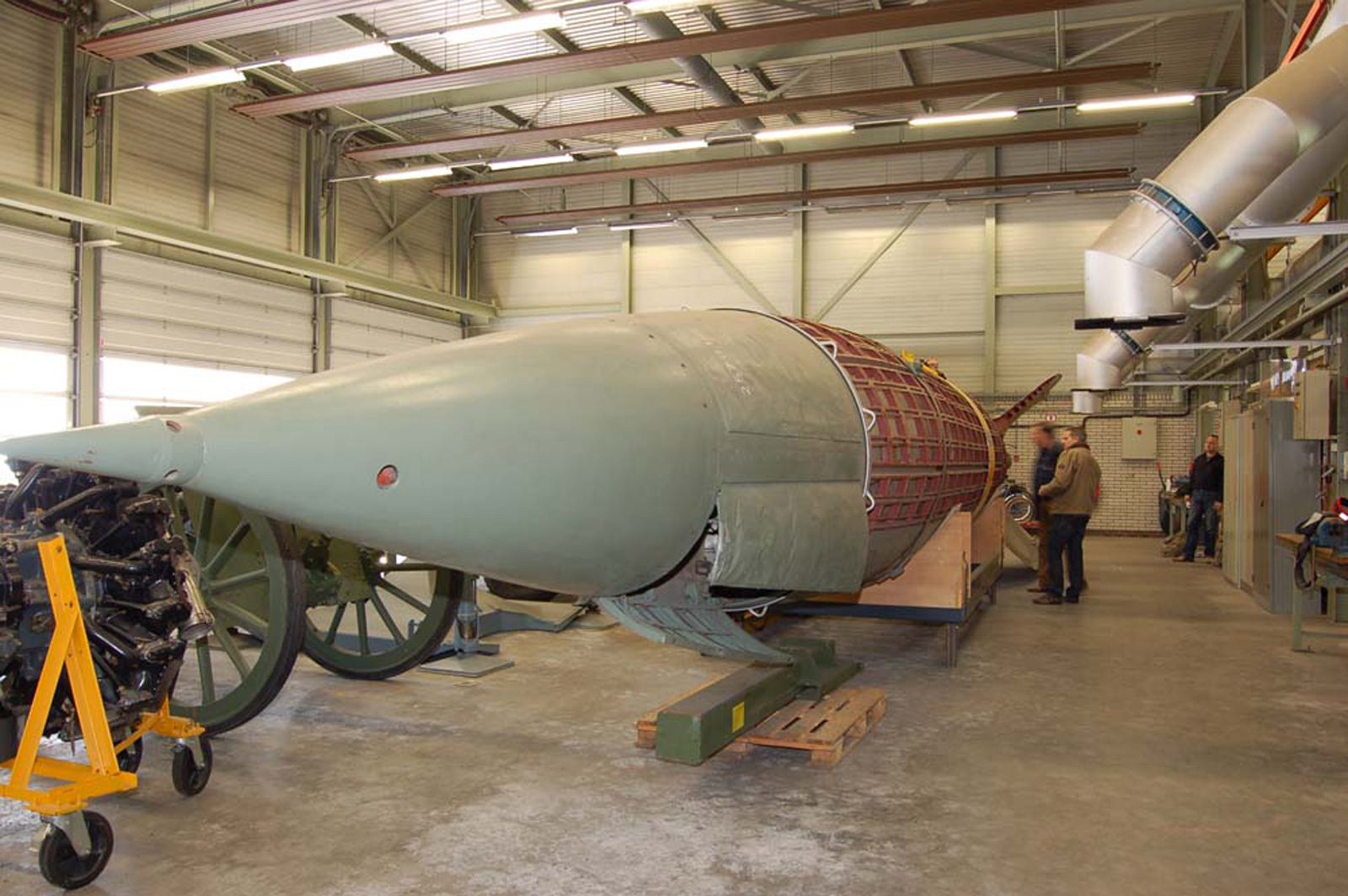
In 2010 the
V-2 was repainted and
moved from storage to be
placed on exhibit in Den
Haag (The Hague) in the
"Liberation Exhibition"
at The Hague Historical
Museum. Following the
exhibition, the rocket
was moved to storage
again, but this time
transported to
Soesterberg airbase. The
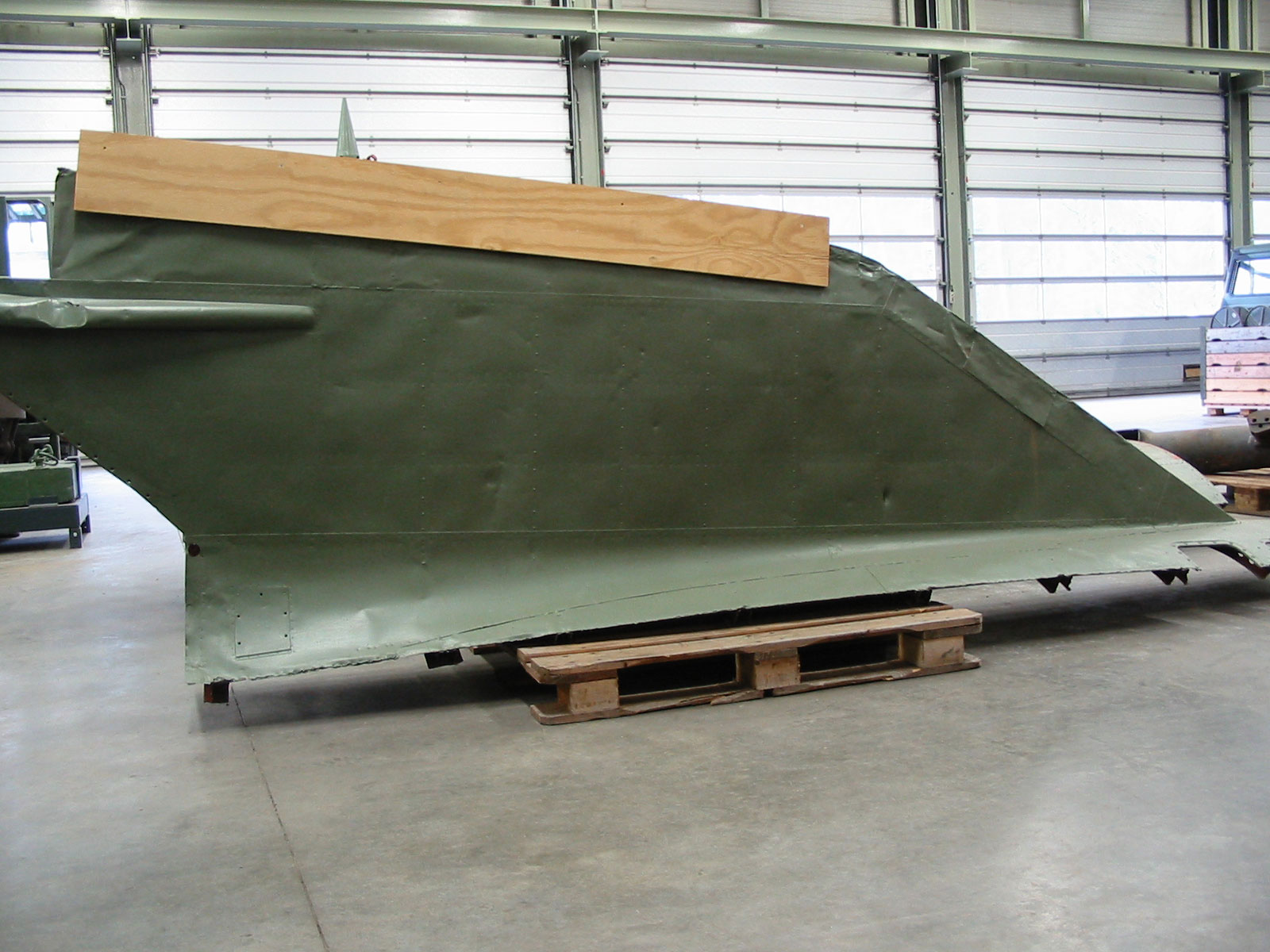
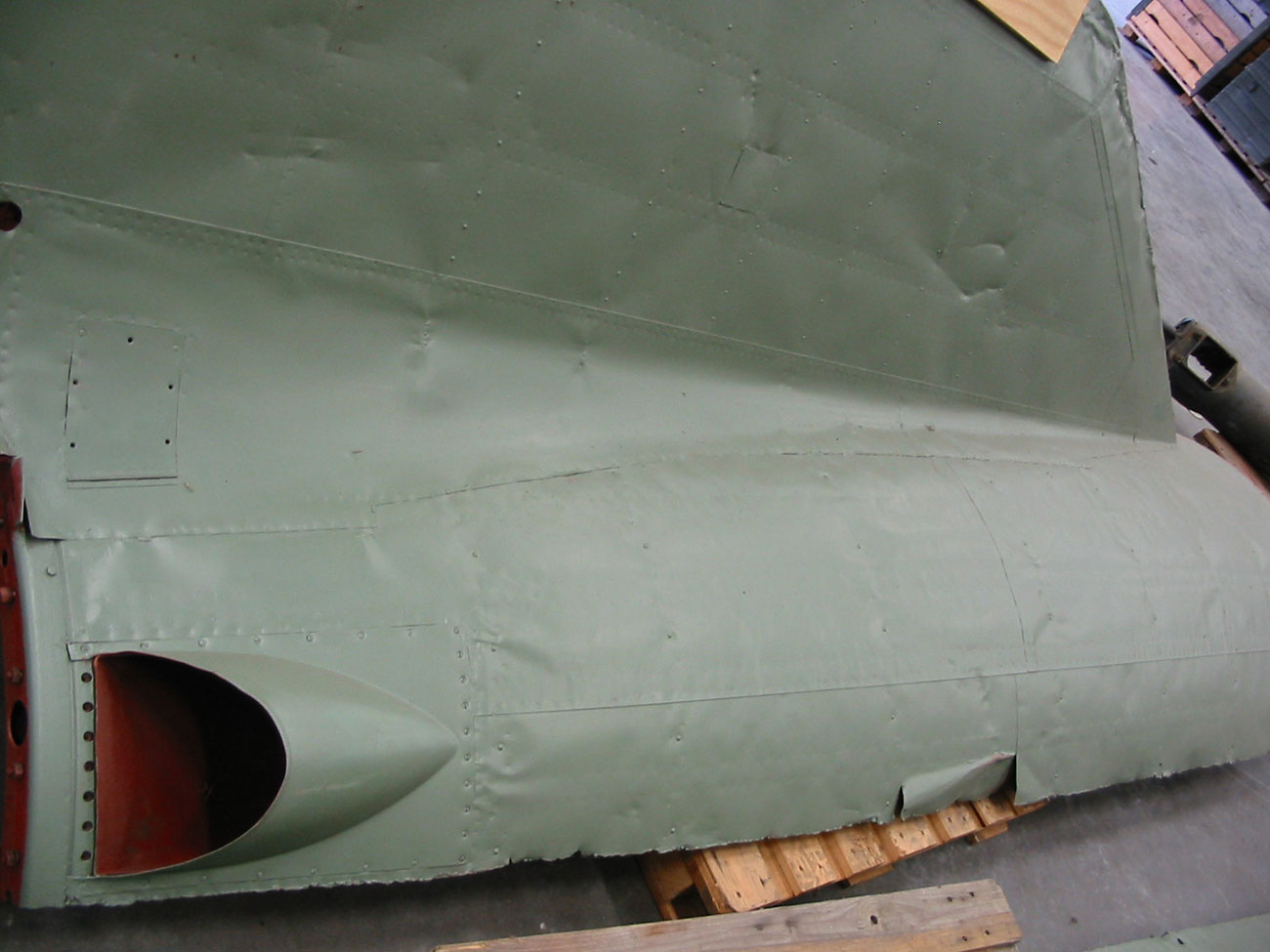
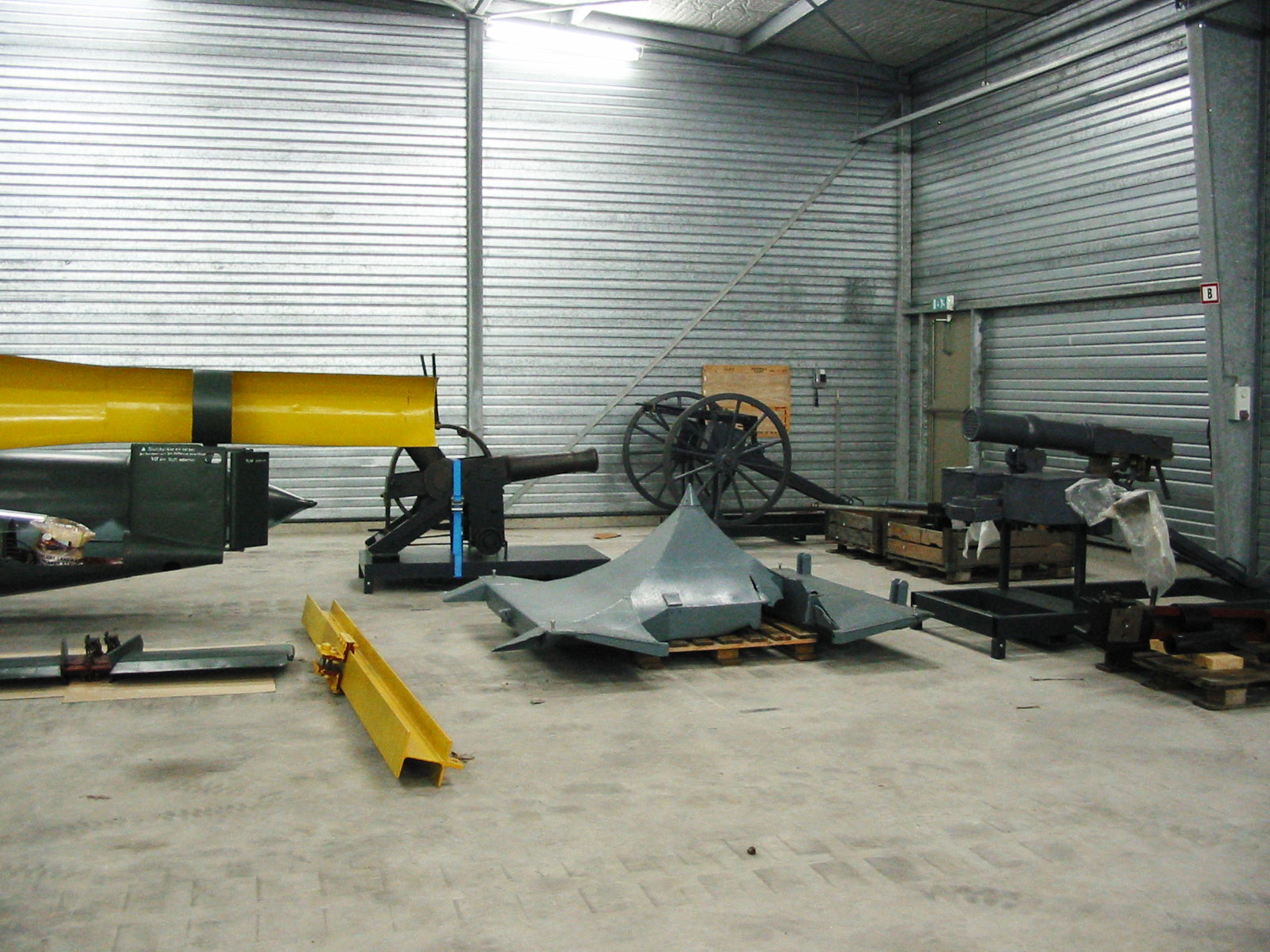
other various displays,
V-1s and equipment, have
also been relocated to
storage at Soesterberg.
The Army Museum Delft and
Air Force Museum
Soesterberg will soon
merge their collections
and the artifacts will be
displayed in a completely
new museum complex at
Soesterberg. This new
museum will be called “National
Military Museum”
(NMM) and it will present
the combined collections
of the Army, Air Force and
part of the marine
collection.
Both the Army
Museum in Delft (January
6, 2013) and the Military
Aviation Museum in
Soesterberg (June 6, 2013)
will close to prepare for
the new construction and
transport of exhibits. The
new combined museum at
Soesterberg is scheduled
to open in the autumn of
2014 and hopefully the
V-Weapon collection will
be on display again.
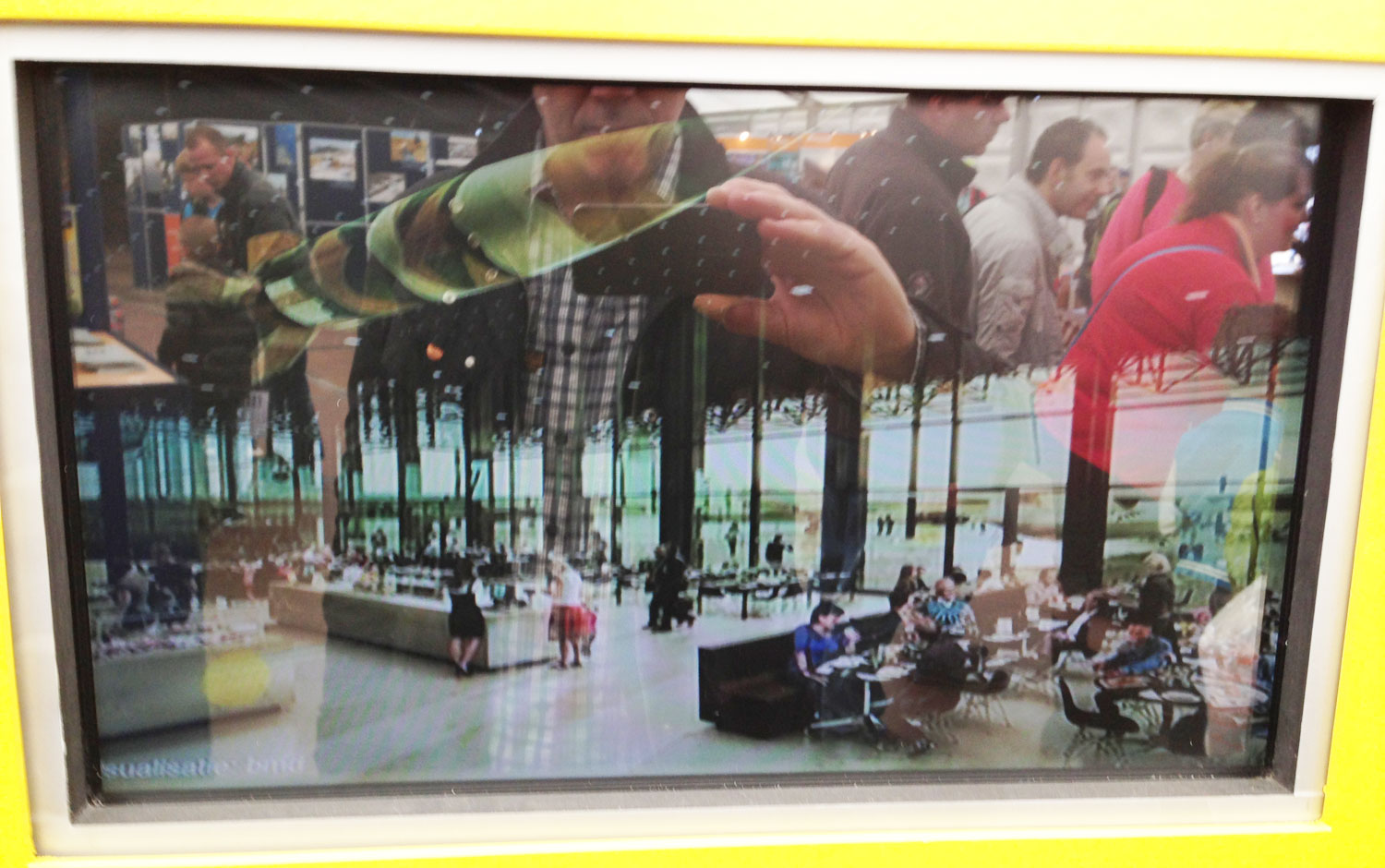
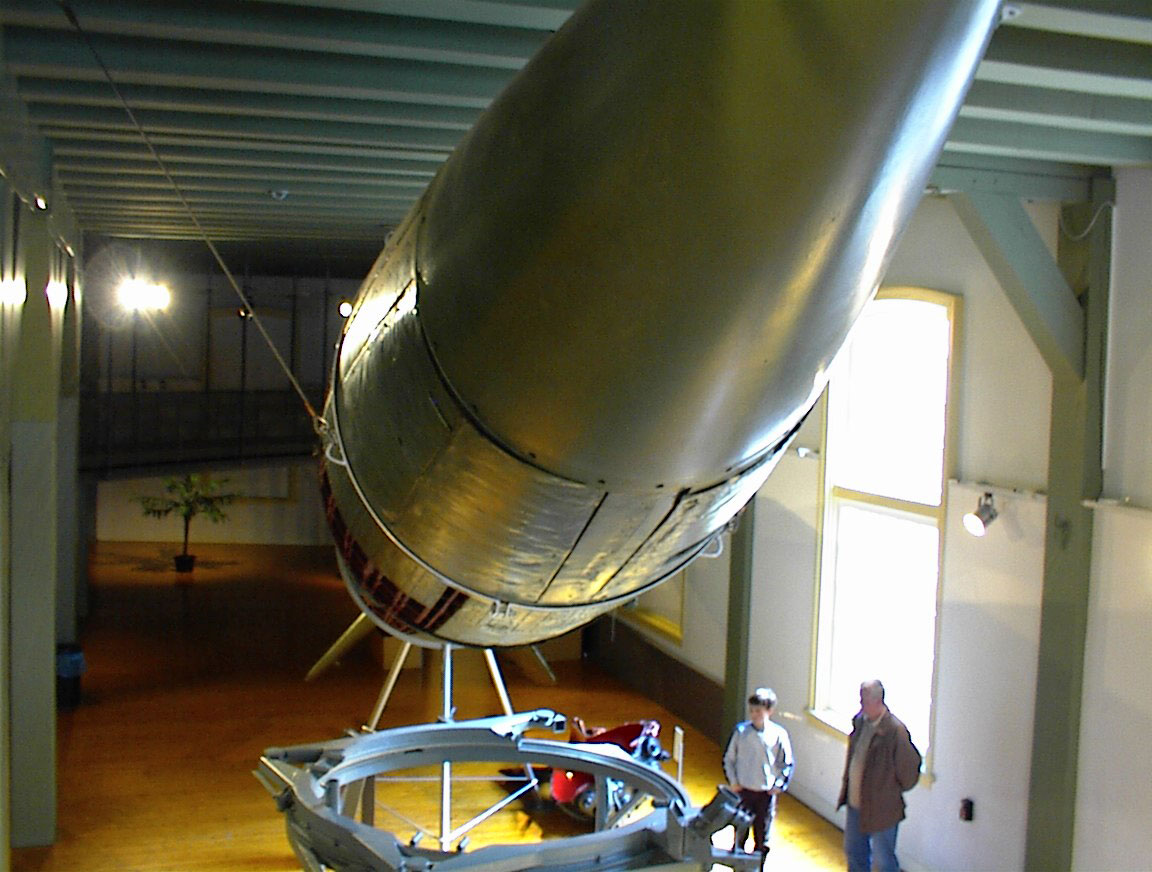
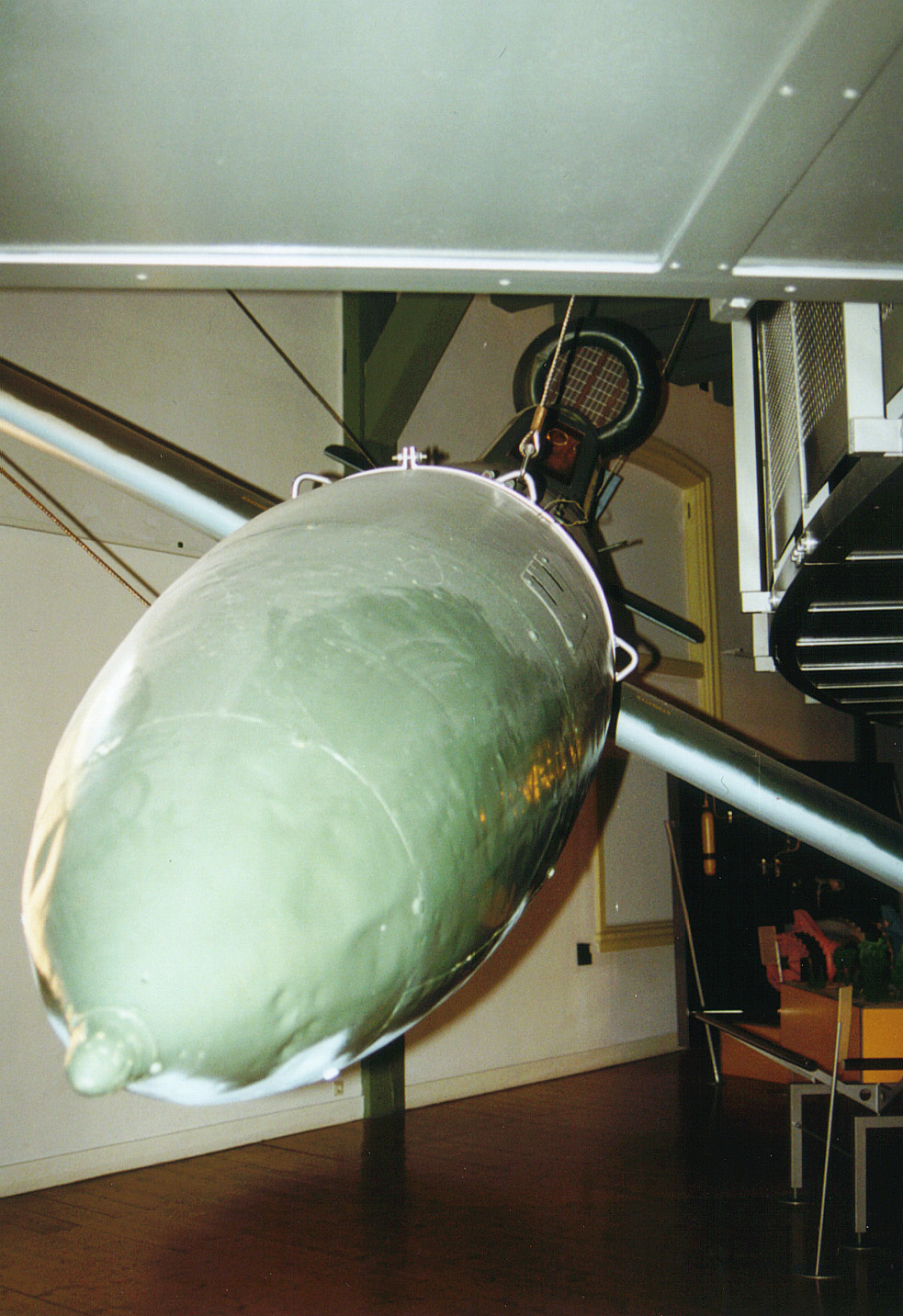
Recently seen at the airshow
in Volkel was this concept of the V-2 suspended
on the ceiling of the new restaurant
at Soesterberg. To display such an
important artifact in this frivolous
manner and breaking up the V-weapons
collection
would be disrespectful to the
nature of the artifact. It should be with
the other V-weapons and where visitors can
inspect
the V-2 up close. Not to mention, the
thought of a 4-ton object hanging above
one while eating would be very unnerving.
Photos
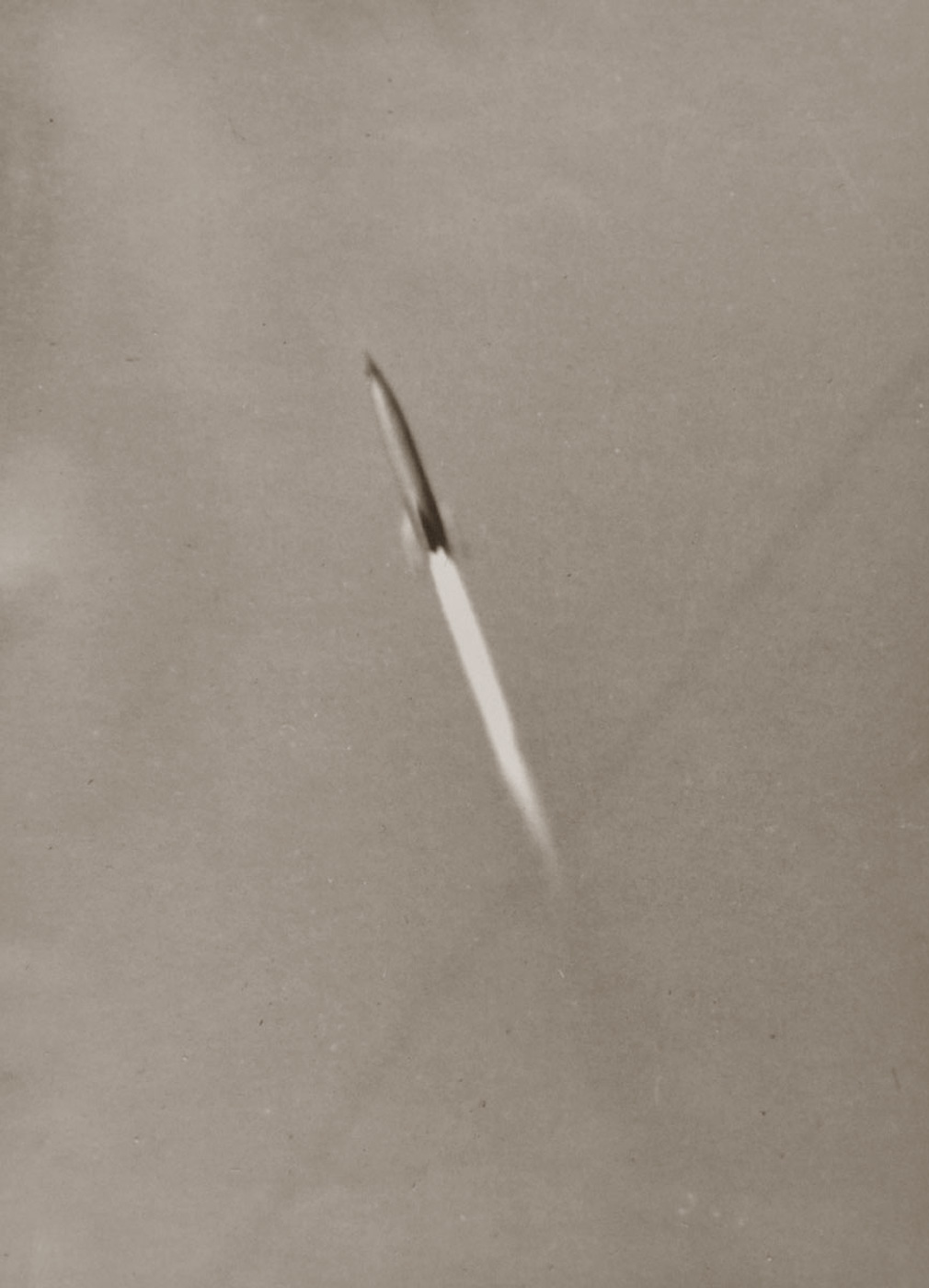
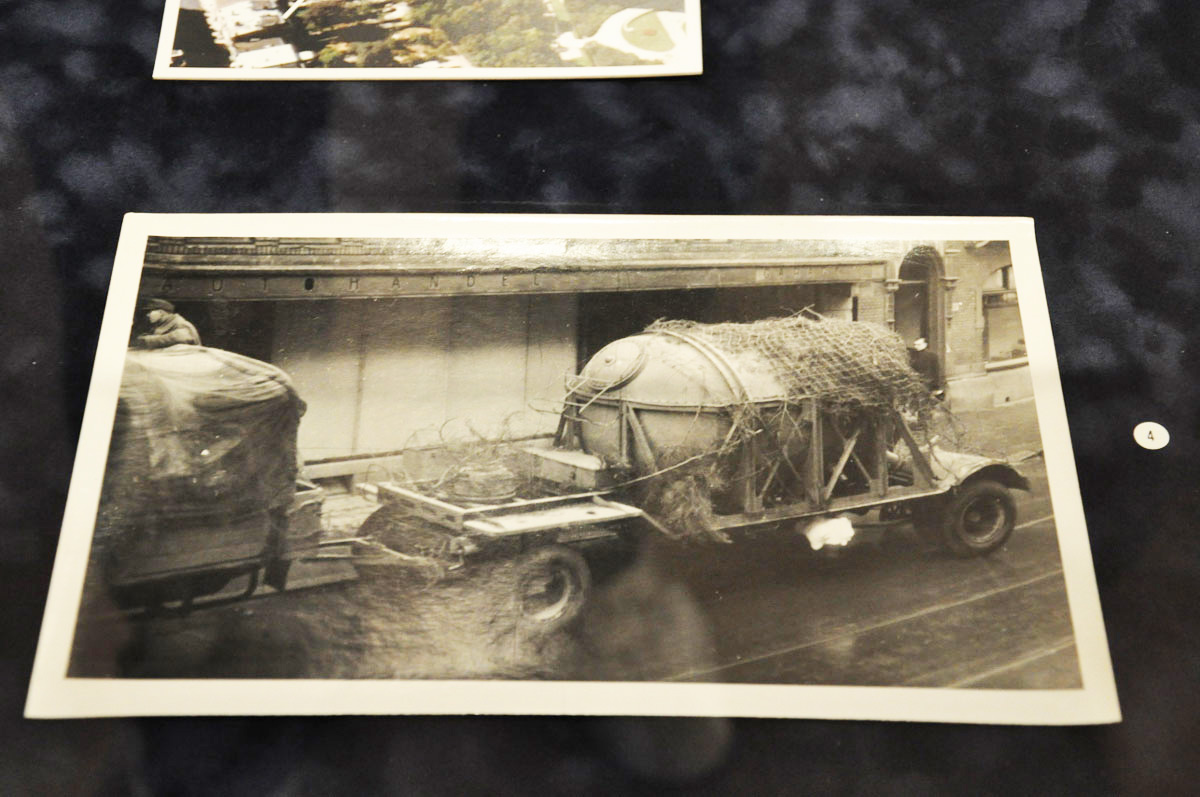
Photos below show the Dutch
V-2 rocket in the early
periods after the war.
(CLICK ON
THUMBNAIL TO ENLARGE)
Photos below show the
Dutch V-2 rocket the last time it was on public
display in The Hague. The V-2 exhibit in the
"Liberation Exhibition" at The Hague Historical
Museum ran from May 5 to the end of September in
2010. The rocket was
then transported to Soesterberg airbase will it
stay in storage until the new museum opens at
Soesterberg in 2014.
(CLICK ON THUMBNAIL TO ENLARGE)
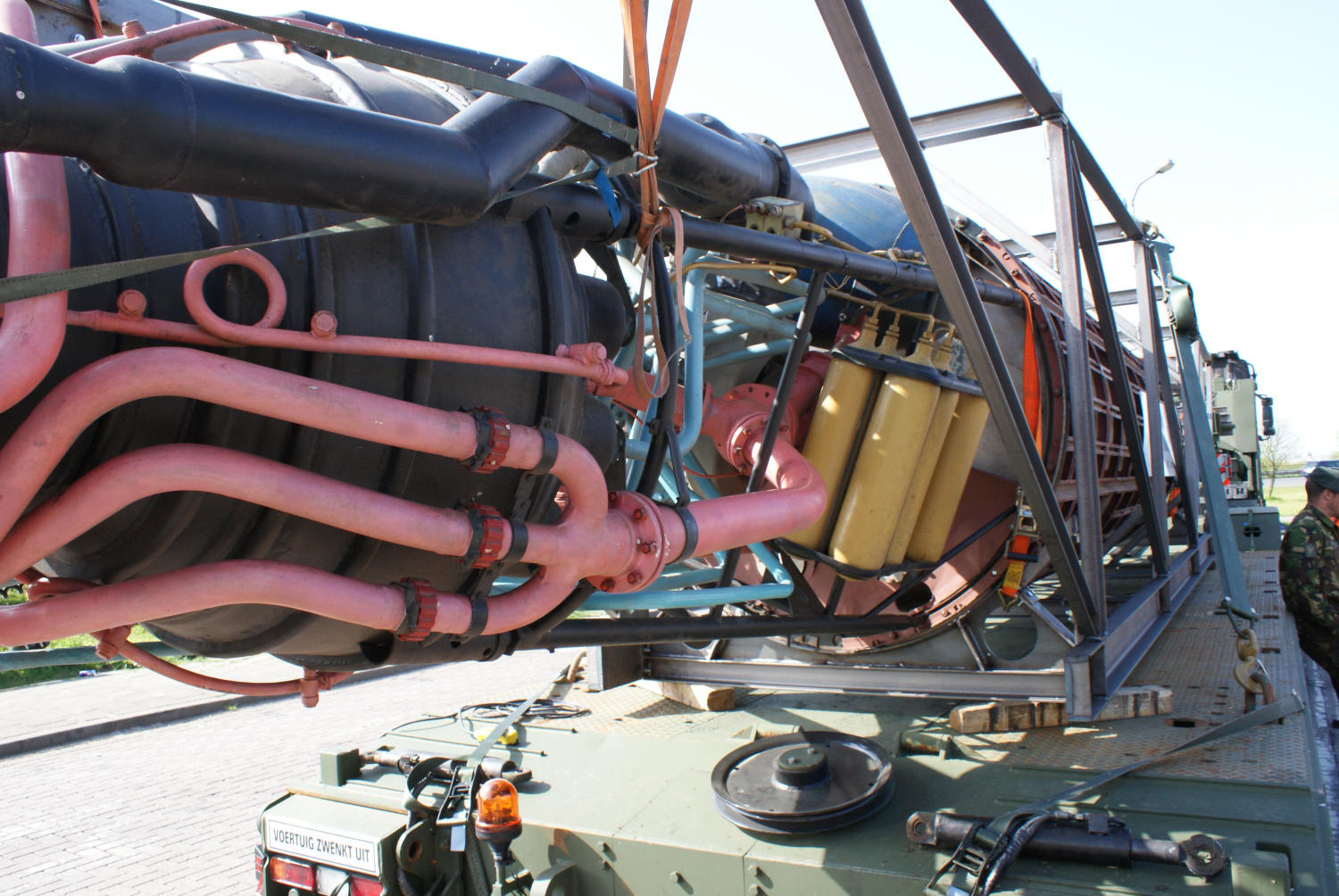
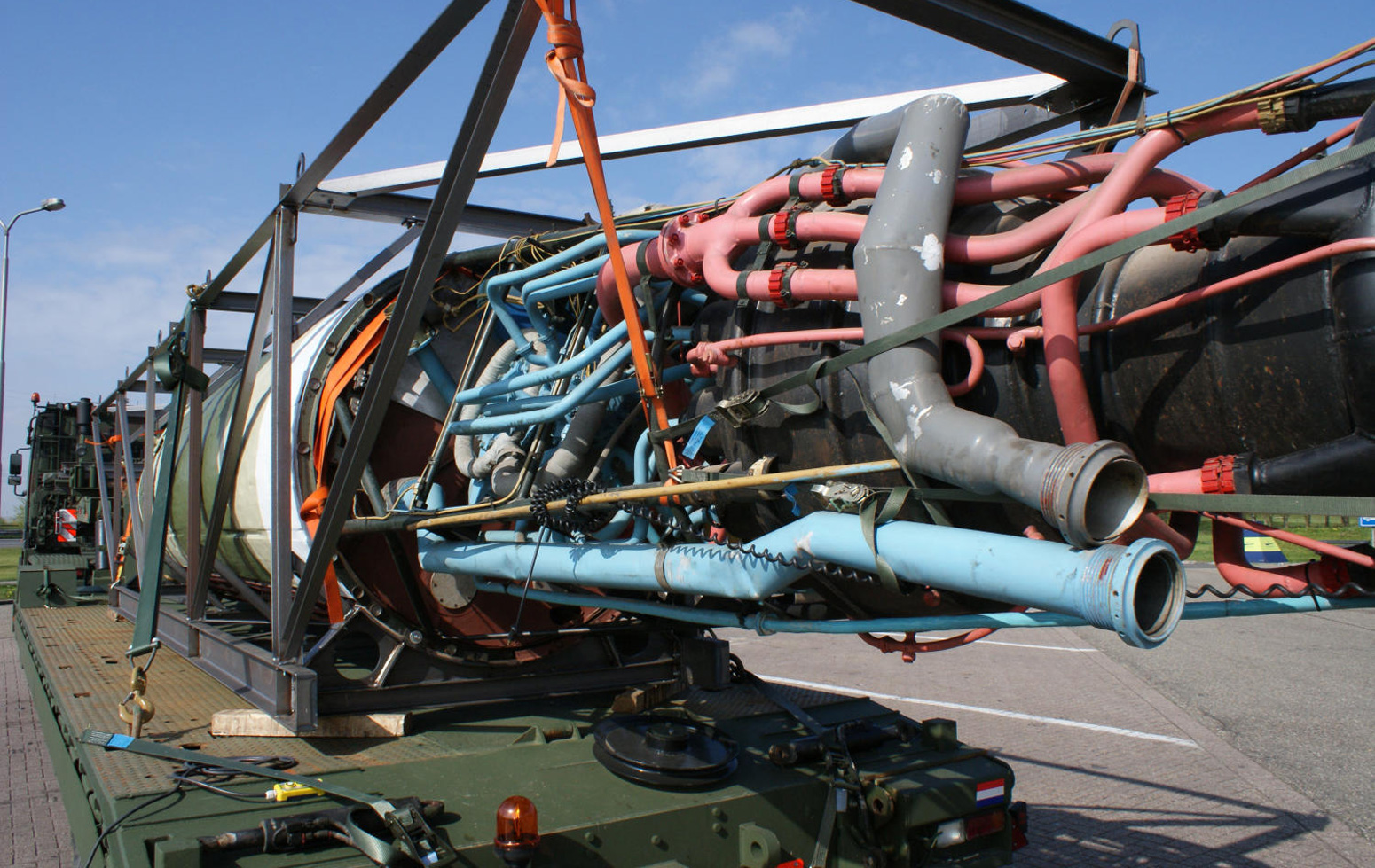
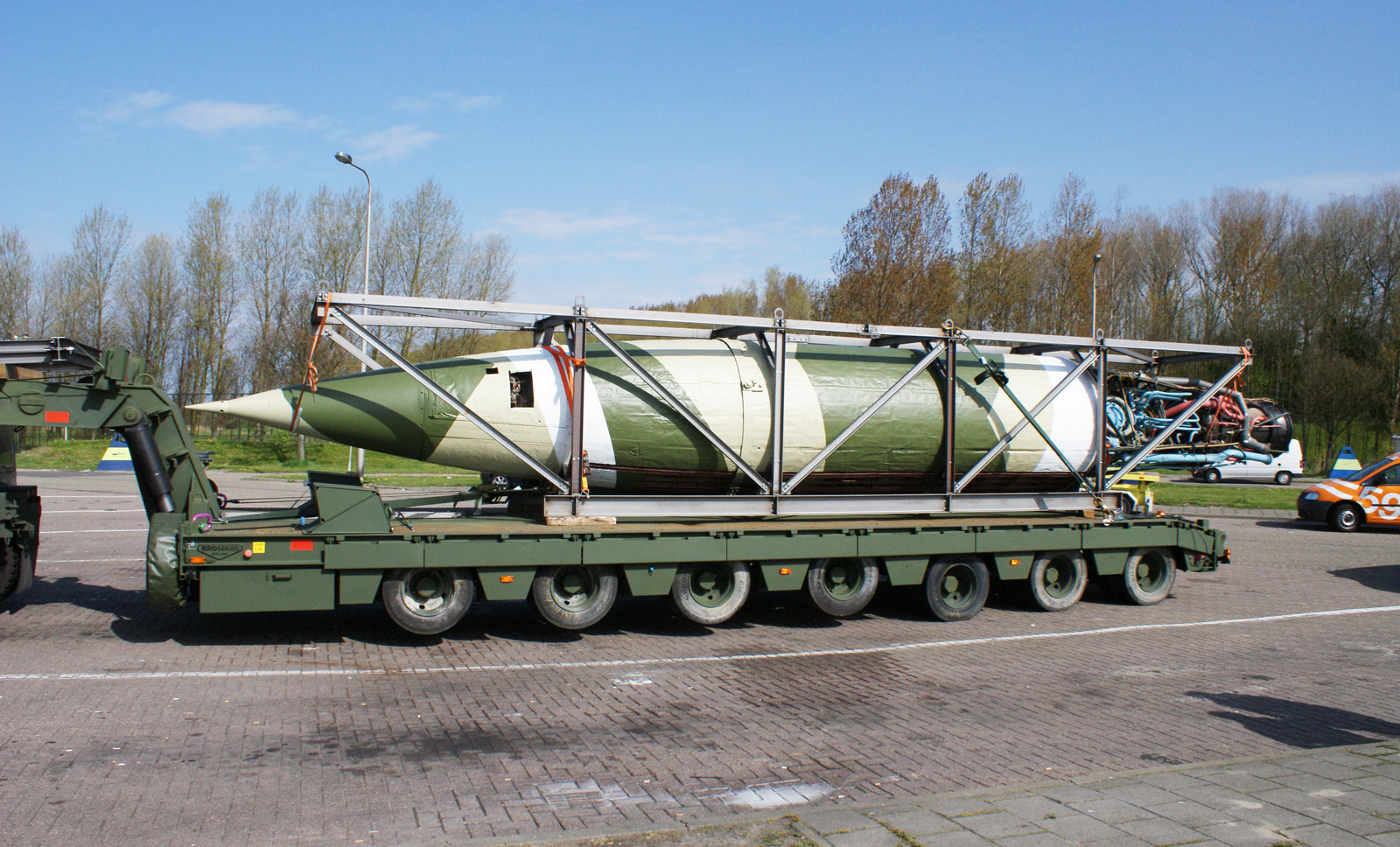
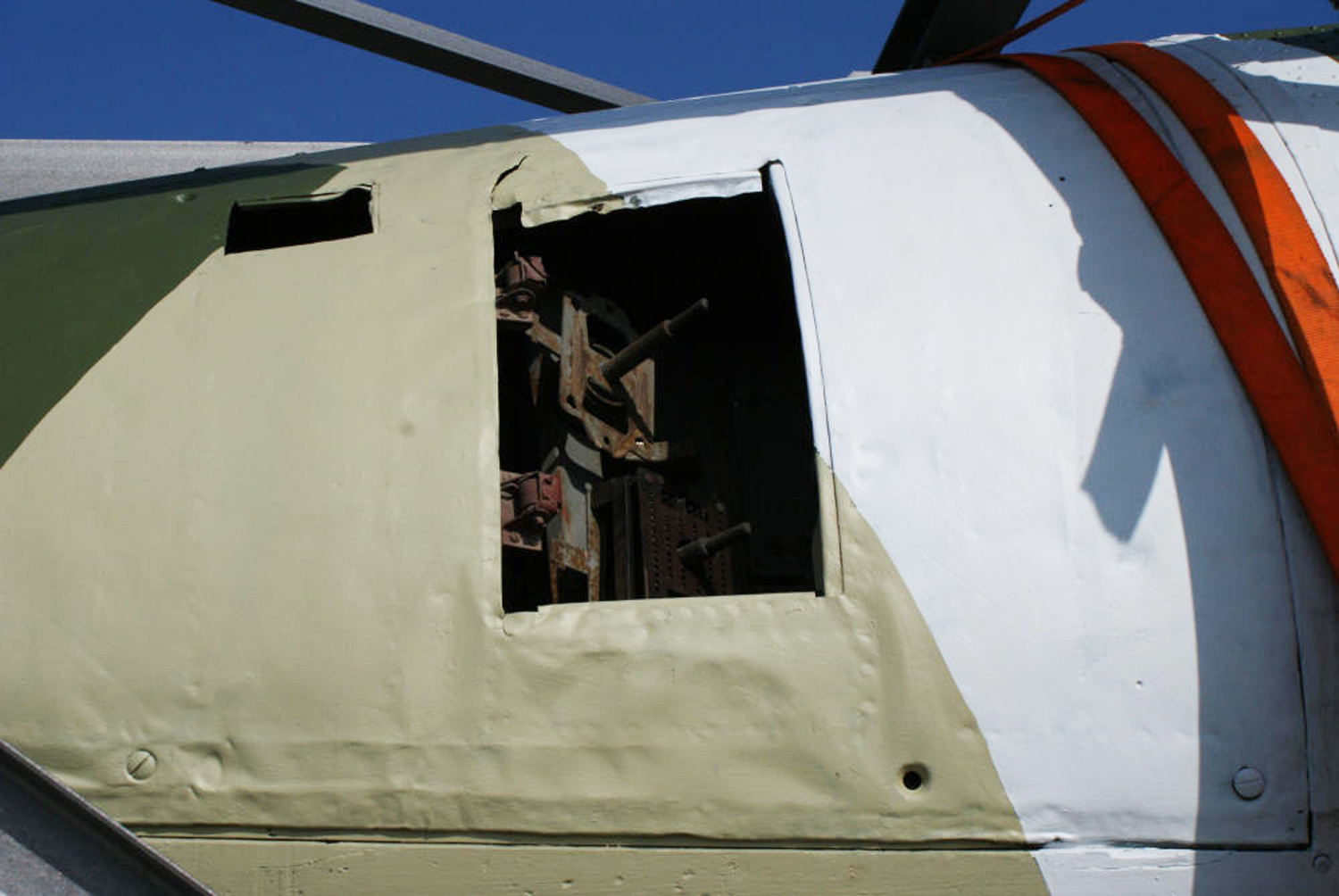
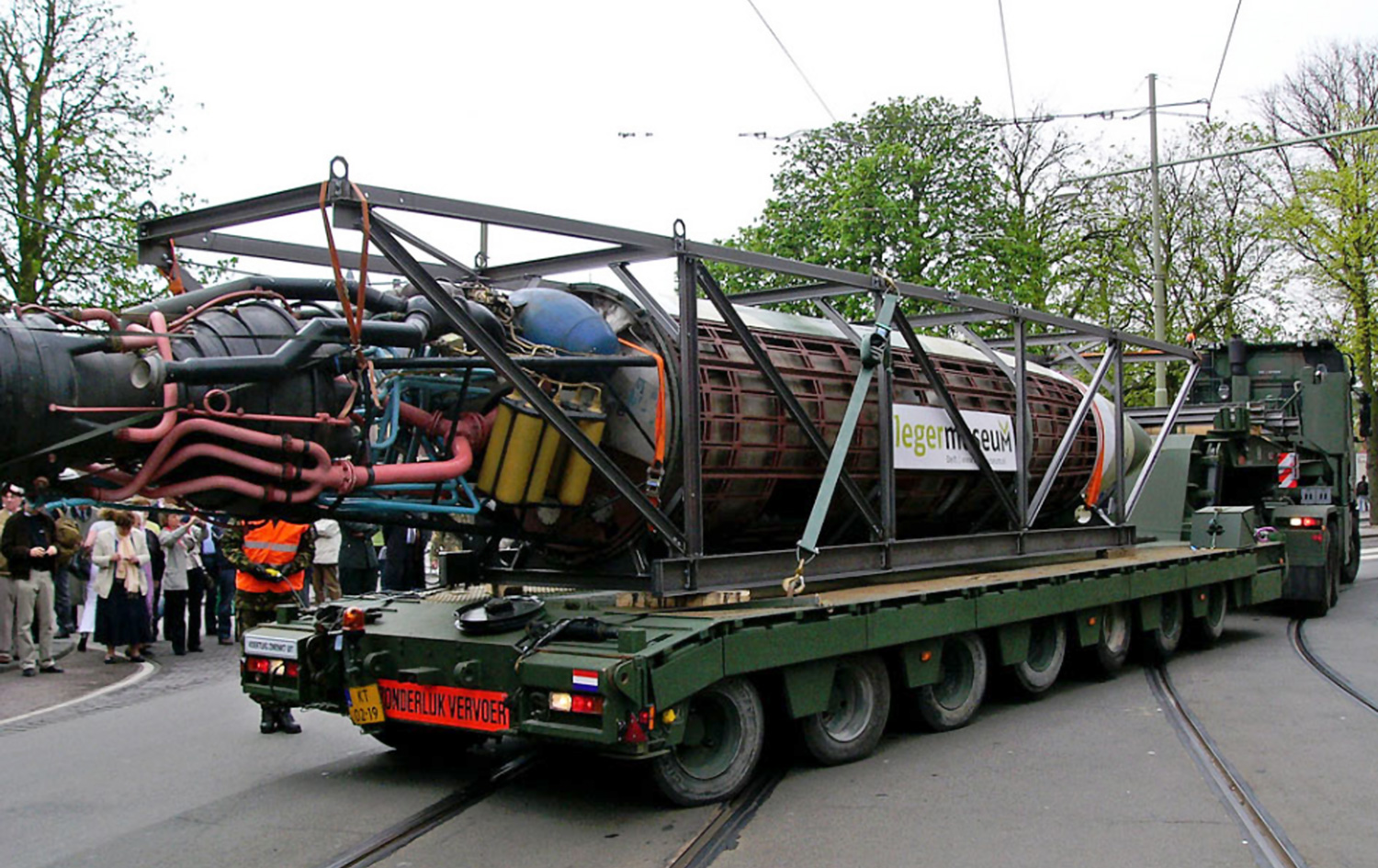
Photos below: 2010, Transport of V-2 from
MOB-complex Grave-Driehuis and installation into "Liberation
Exhibition" at The Hague
Historical Museum. For some reason the rocket was quickly
repainted in the ragged Gezackt pattern
for the exhibit.
(CLICK ON THUMBNAIL TO ENLARGE)
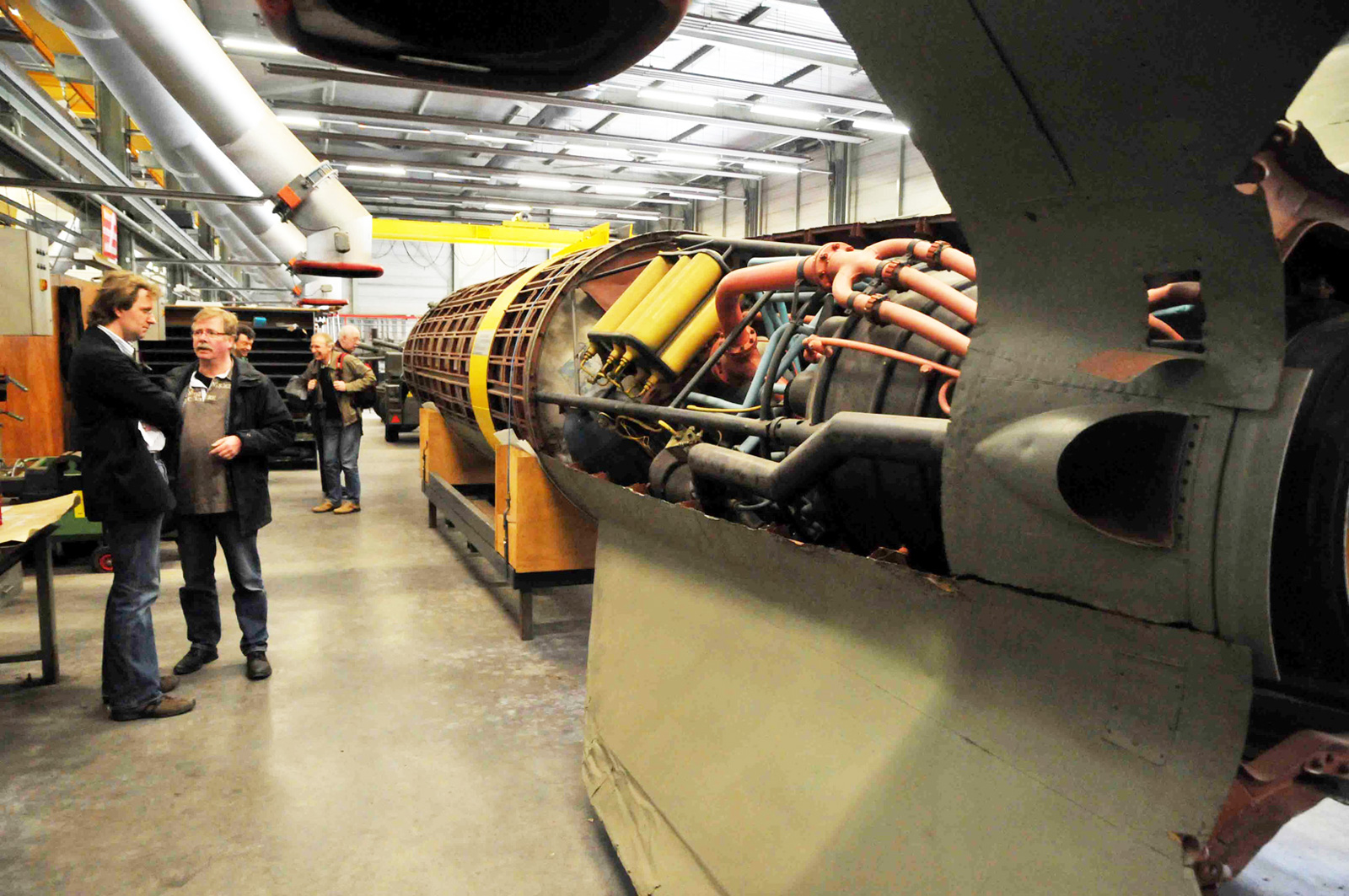
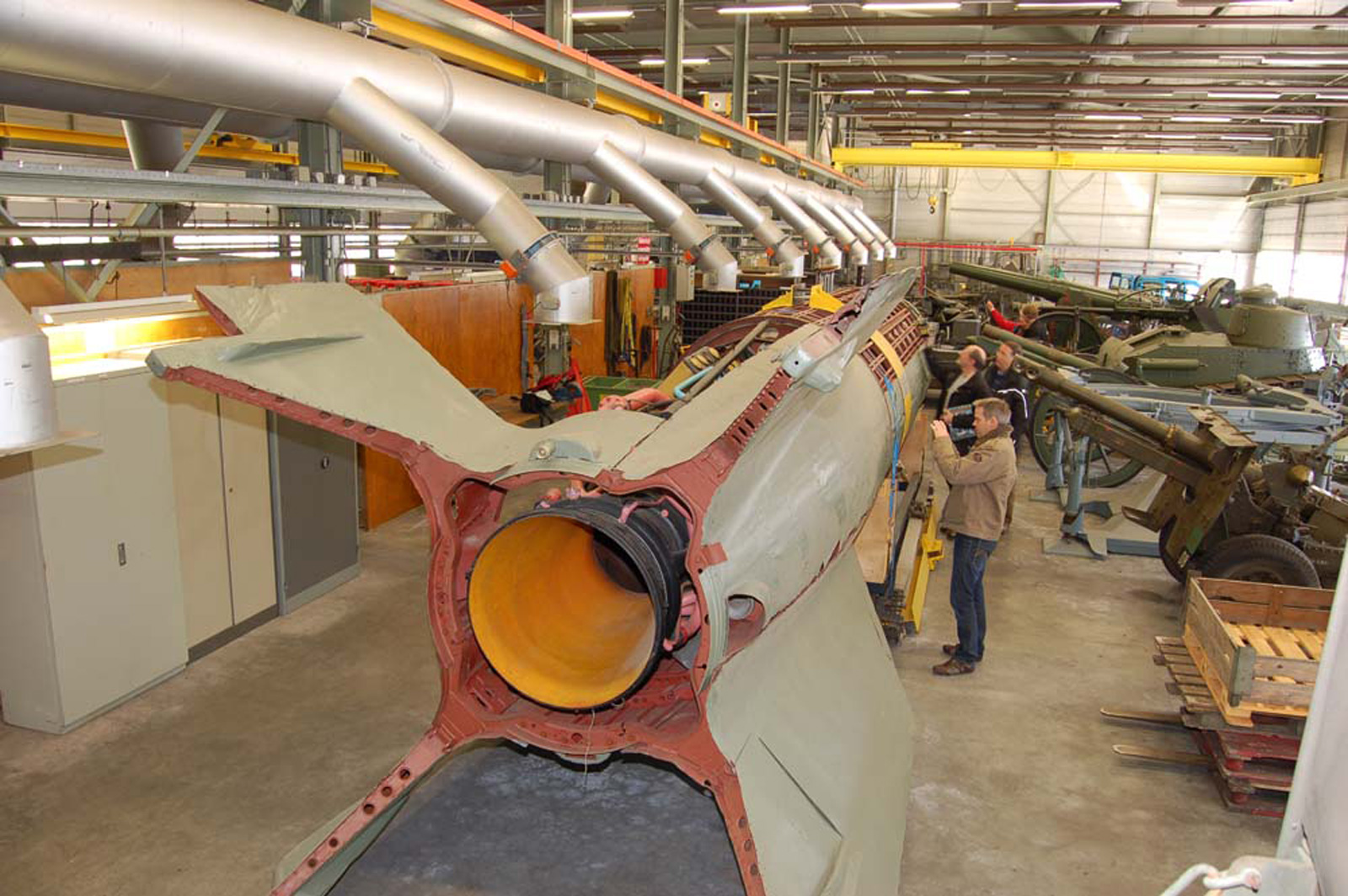
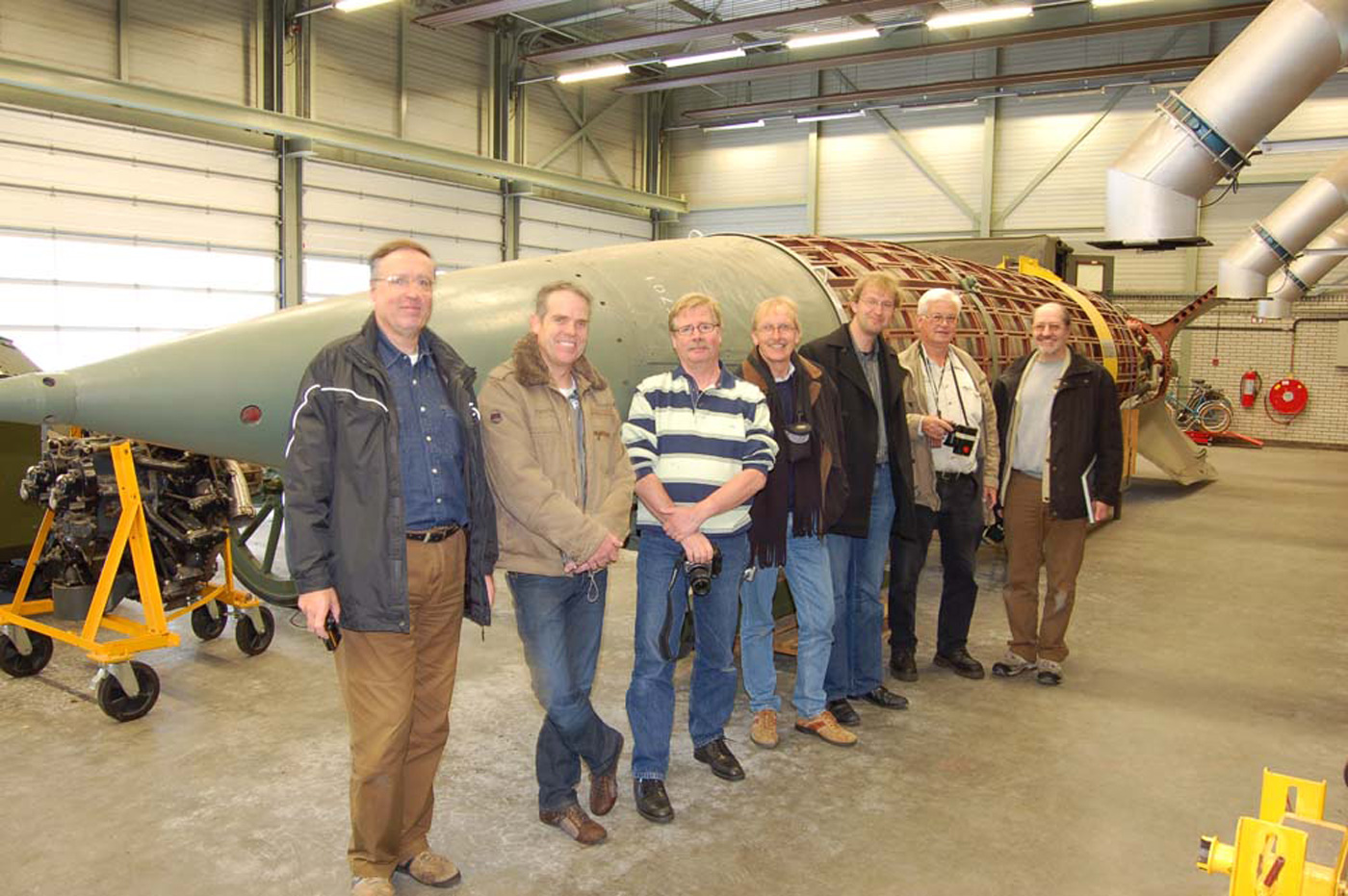
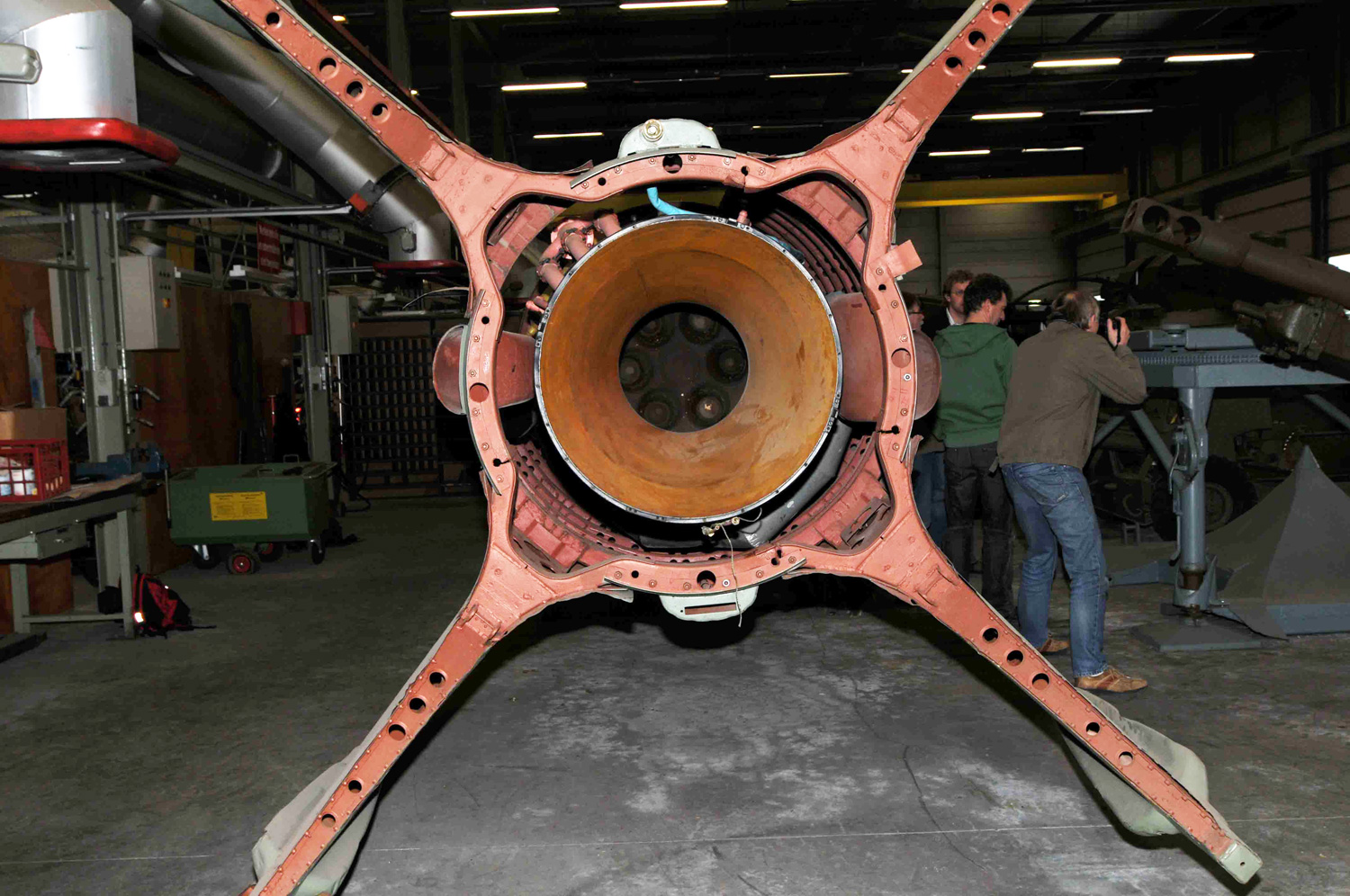
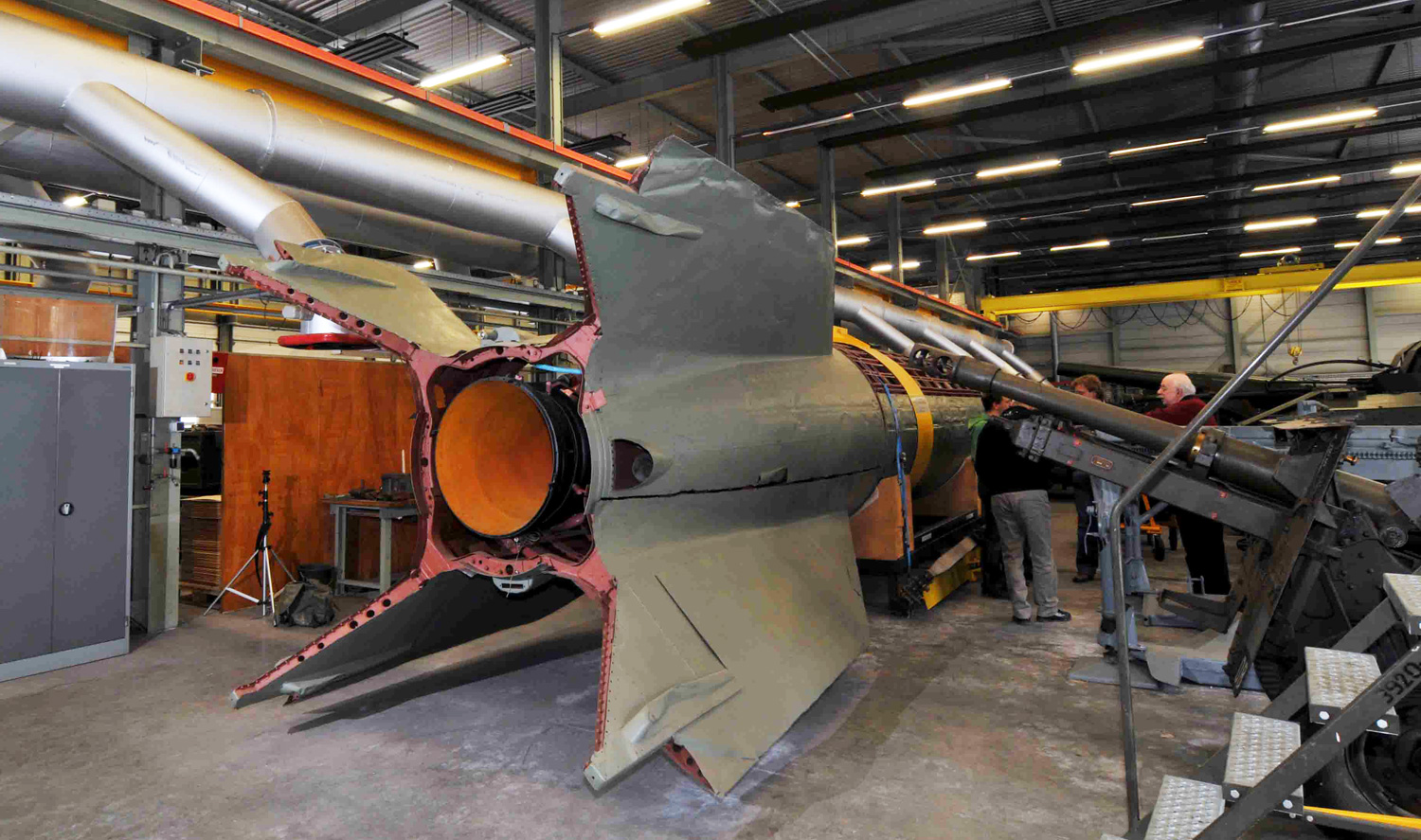
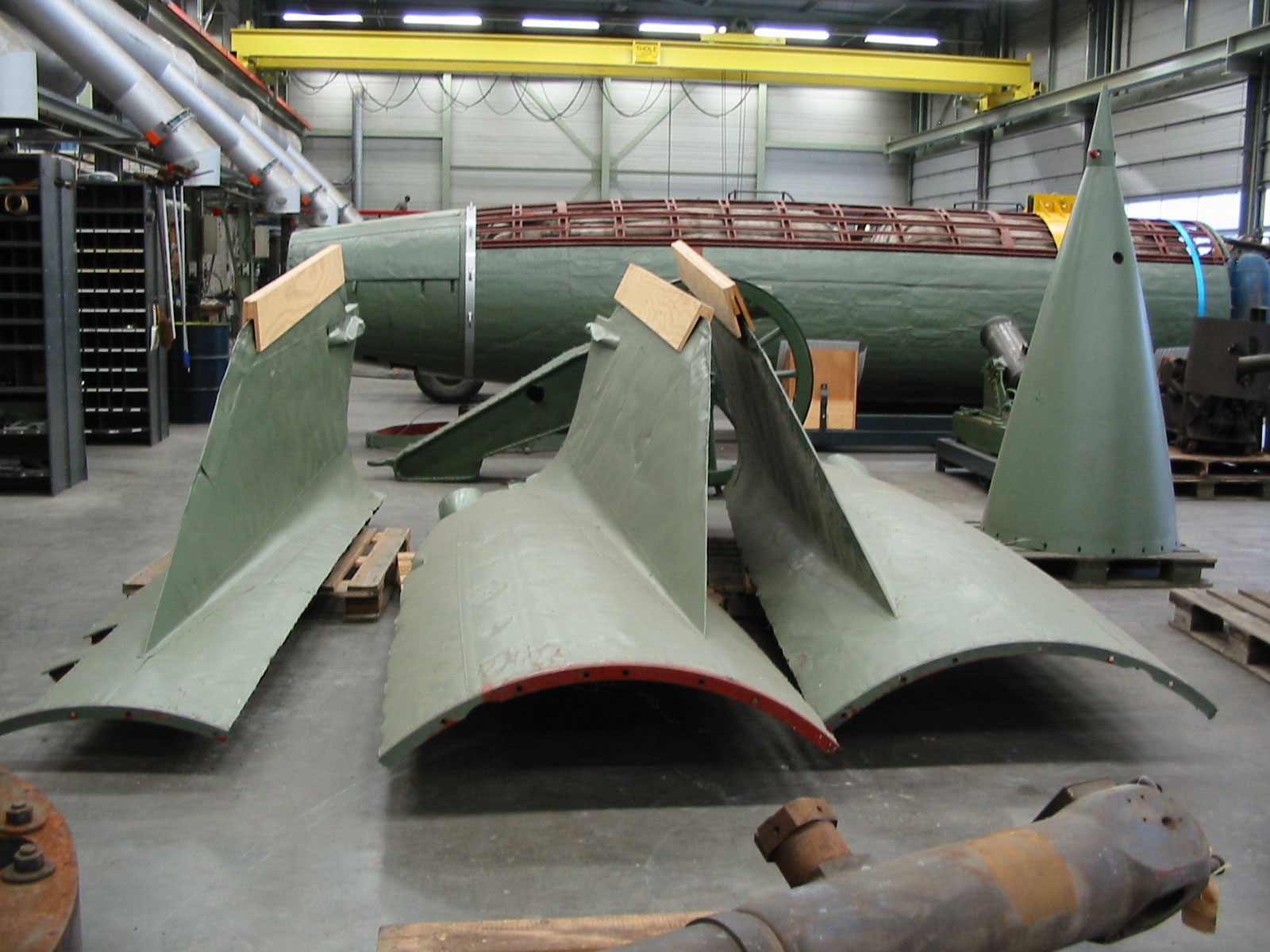
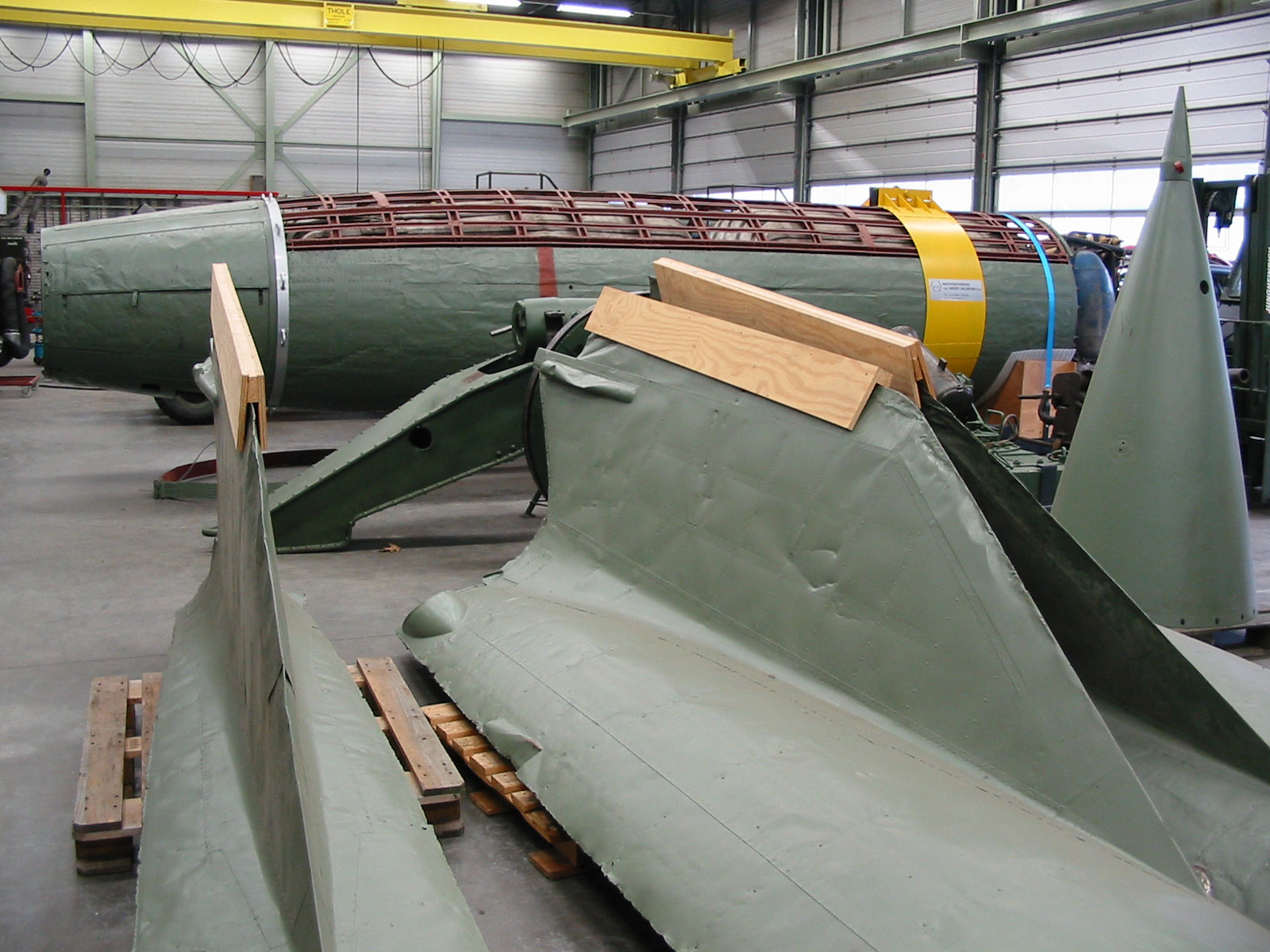
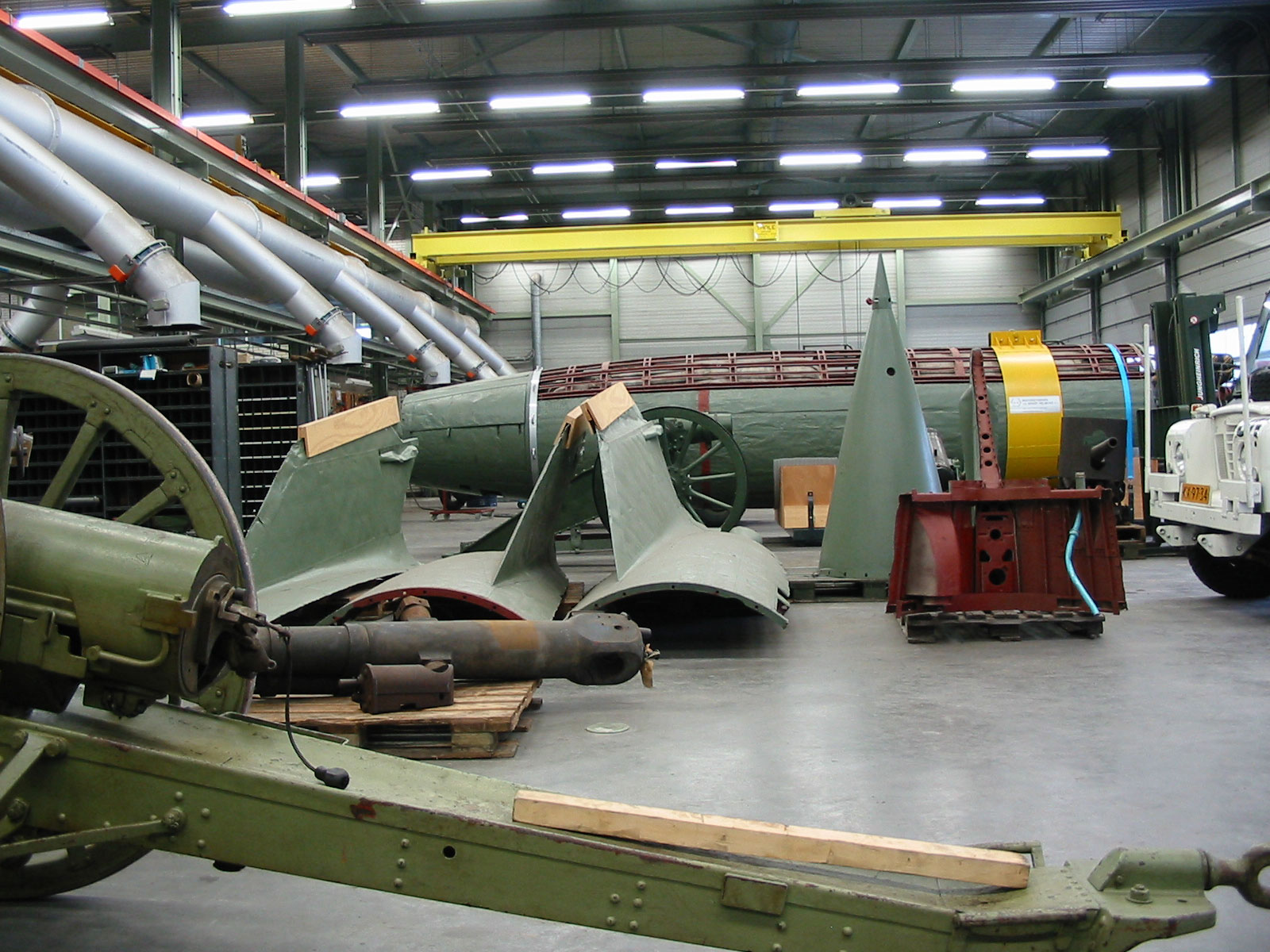
Photos below: 2007 and 2009, IV2RG inspection of Dutch V-Weapons in
storage at Mobilisatiecomplex Grave-Driehuis.
(CLICK ON THUMBNAIL TO ENLARGE)
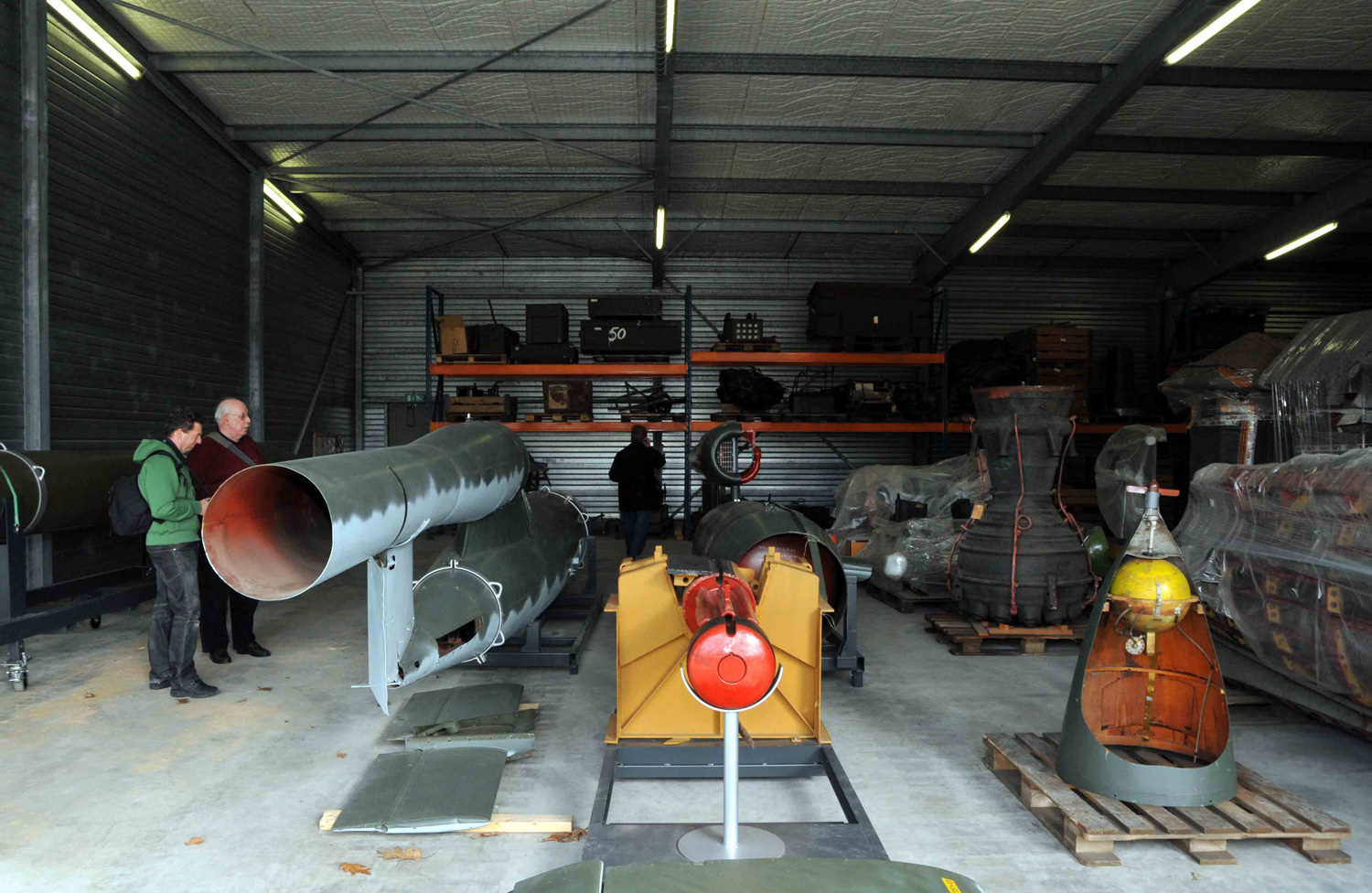
Photos below: 2005, Dutch V-Weapons in storage at Mobilisatiecomplex Grave-Driehuis.
(CLICK ON THUMBNAIL TO ENLARGE)
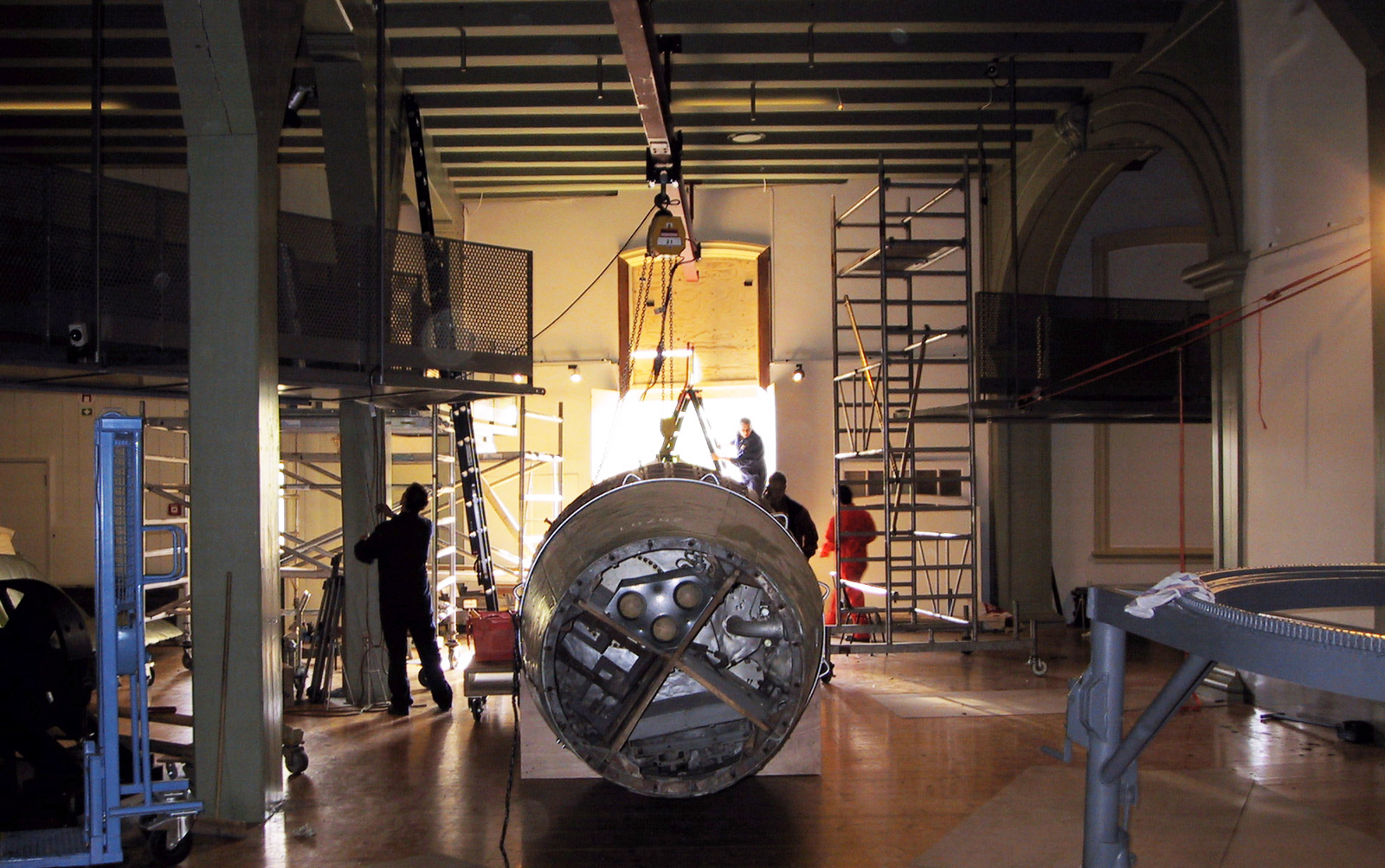
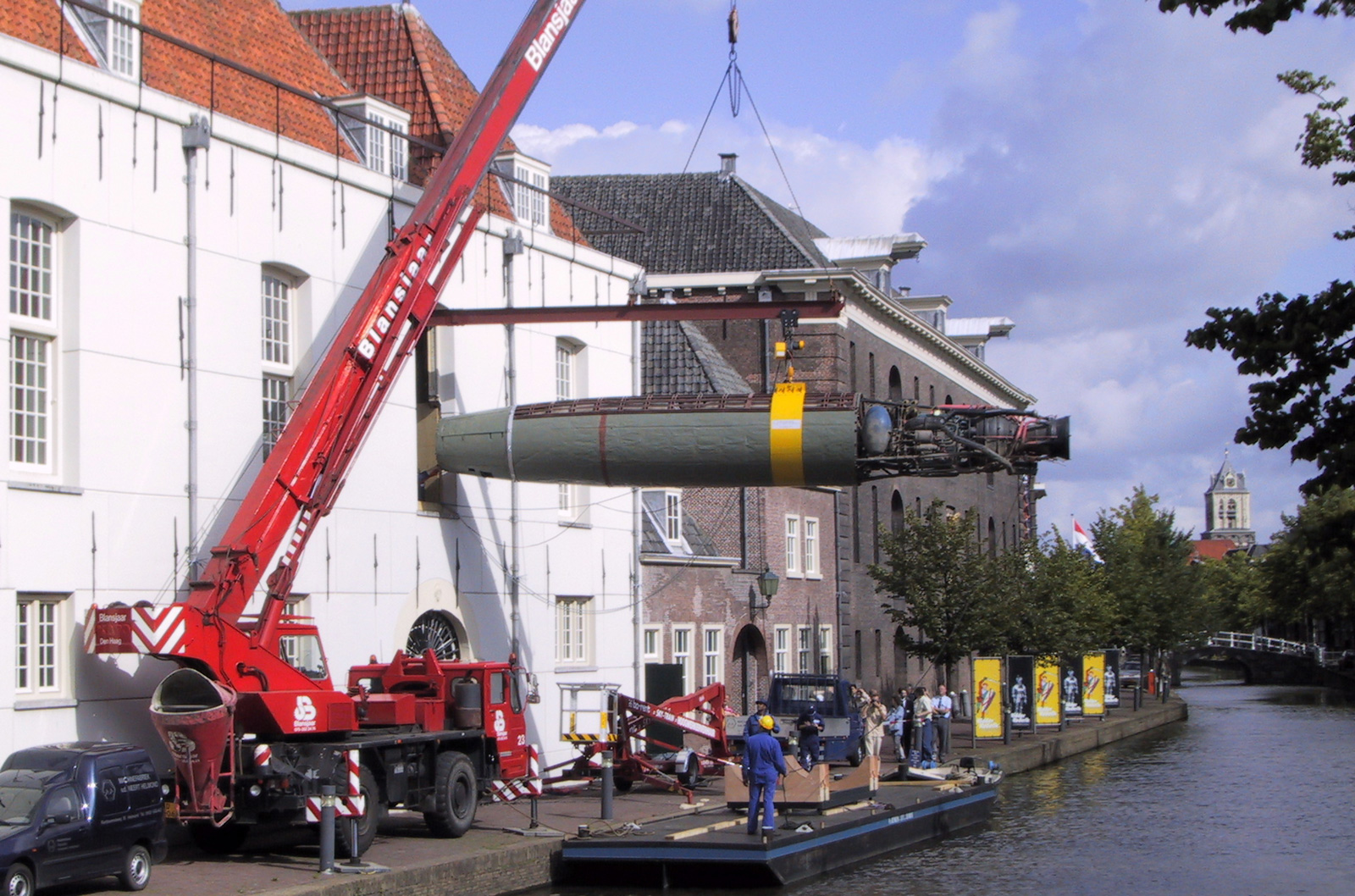
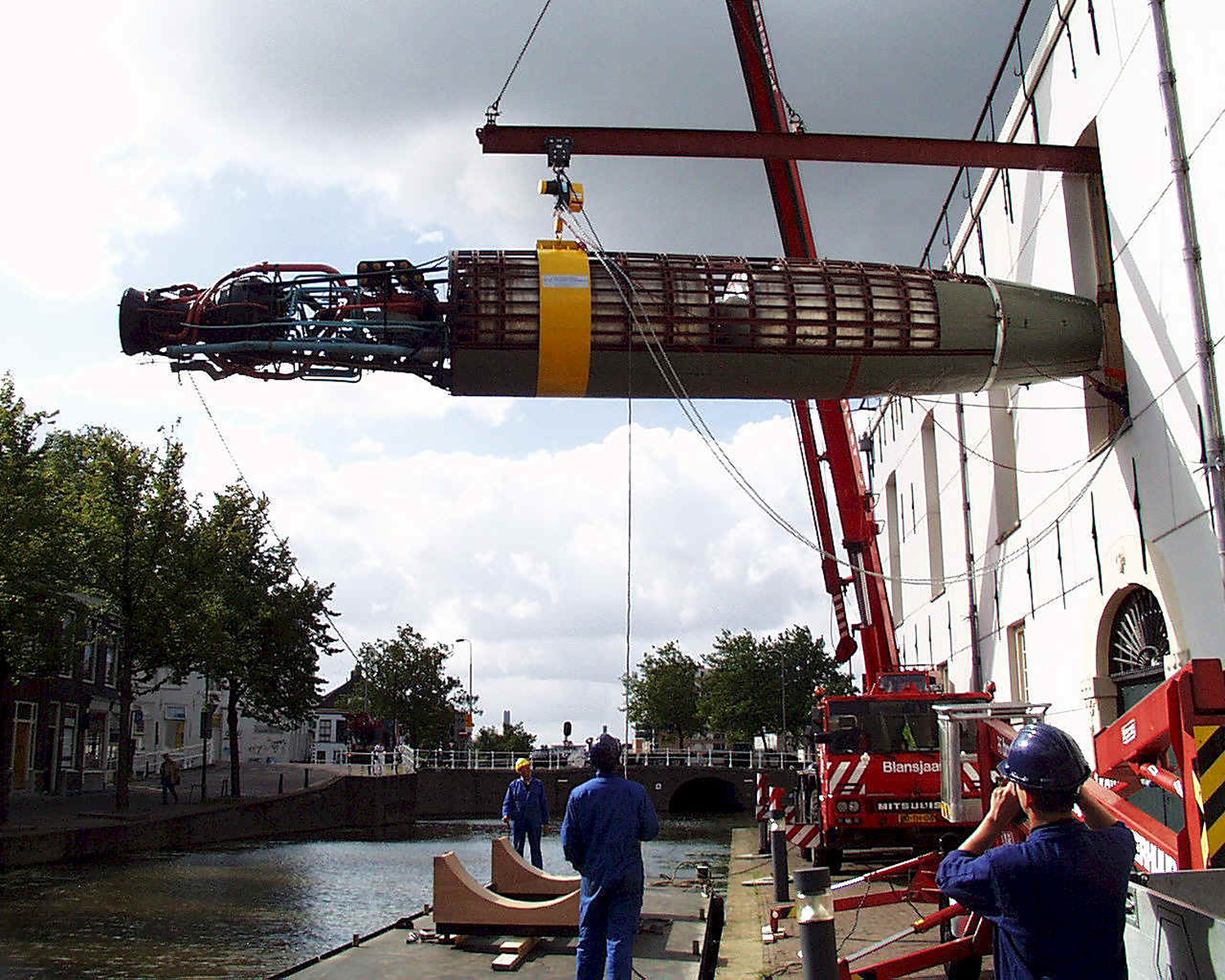
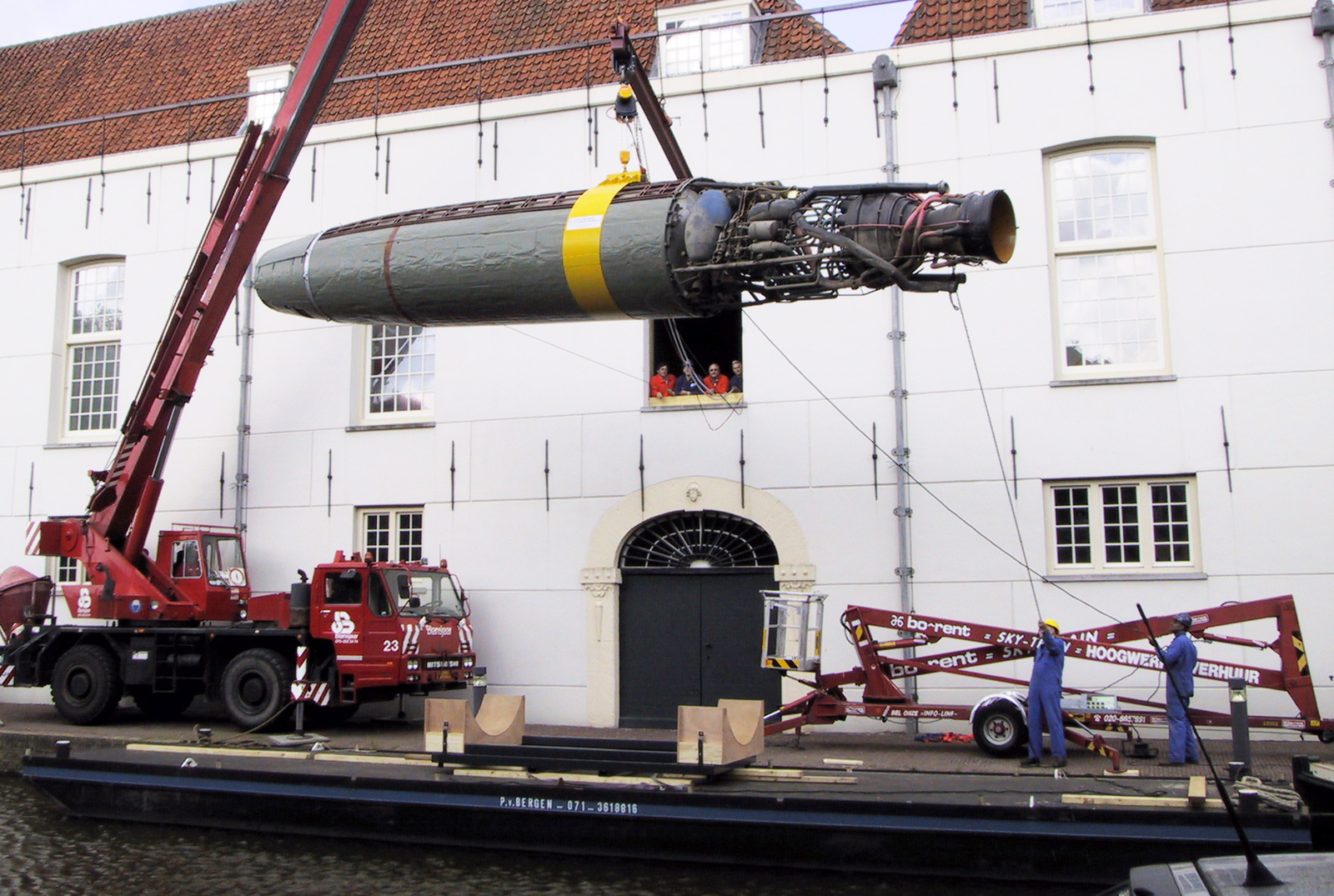
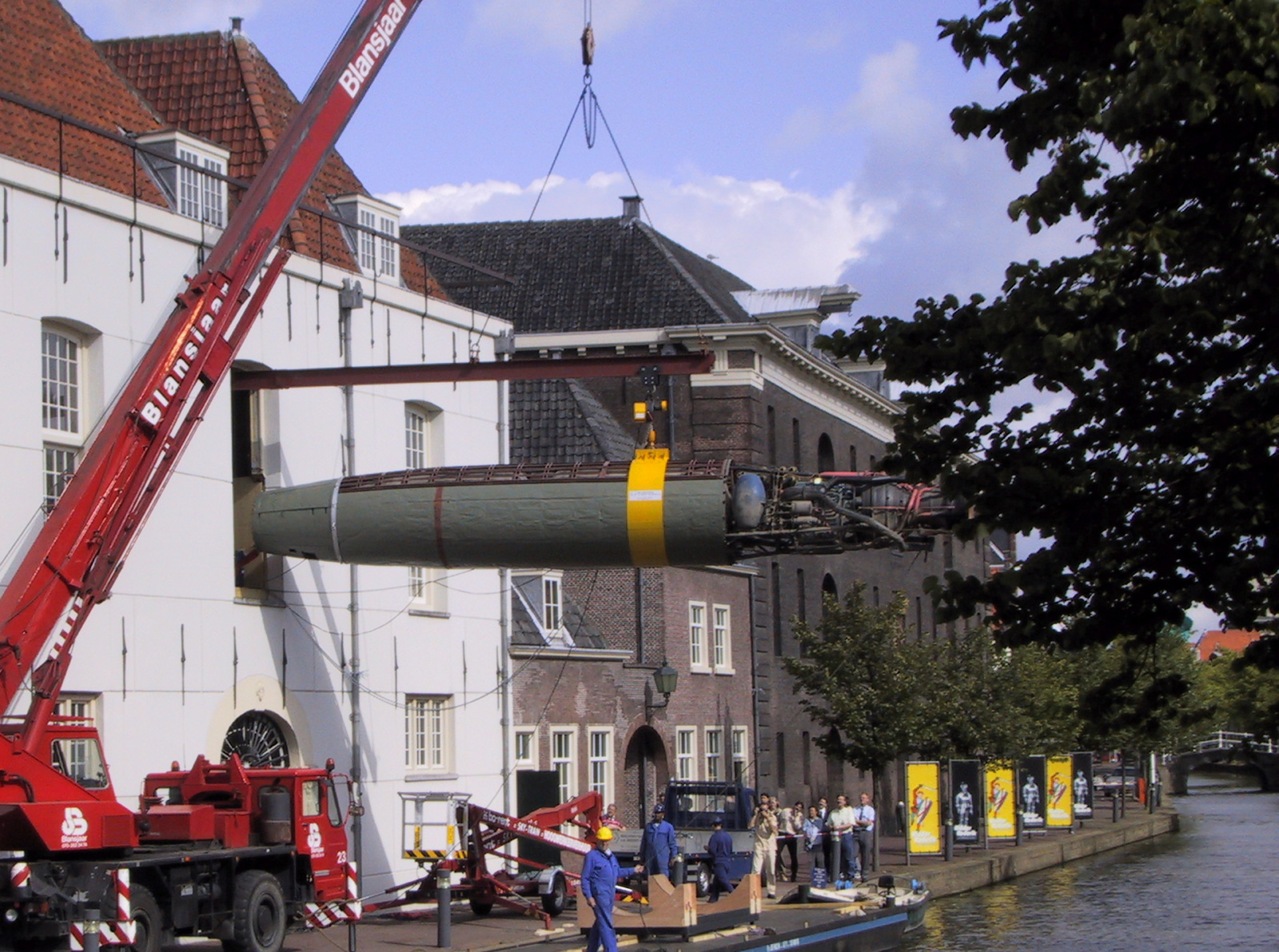
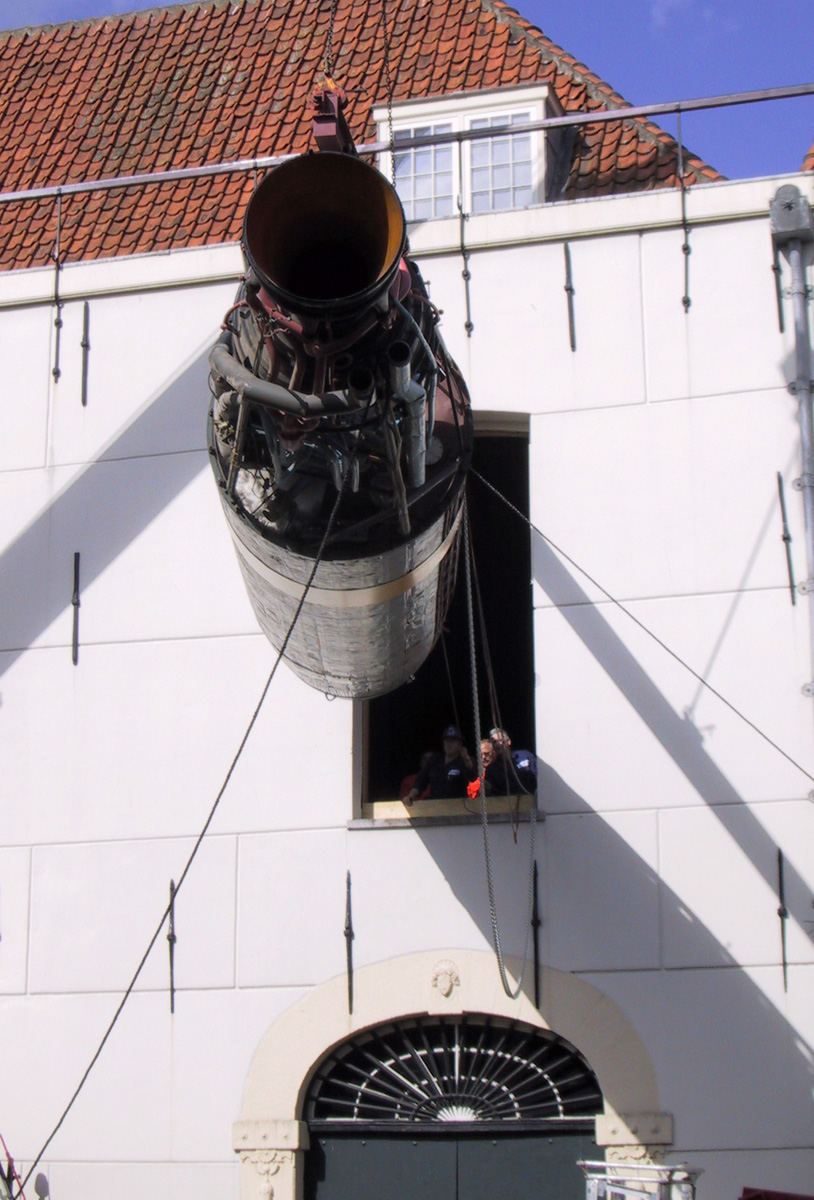
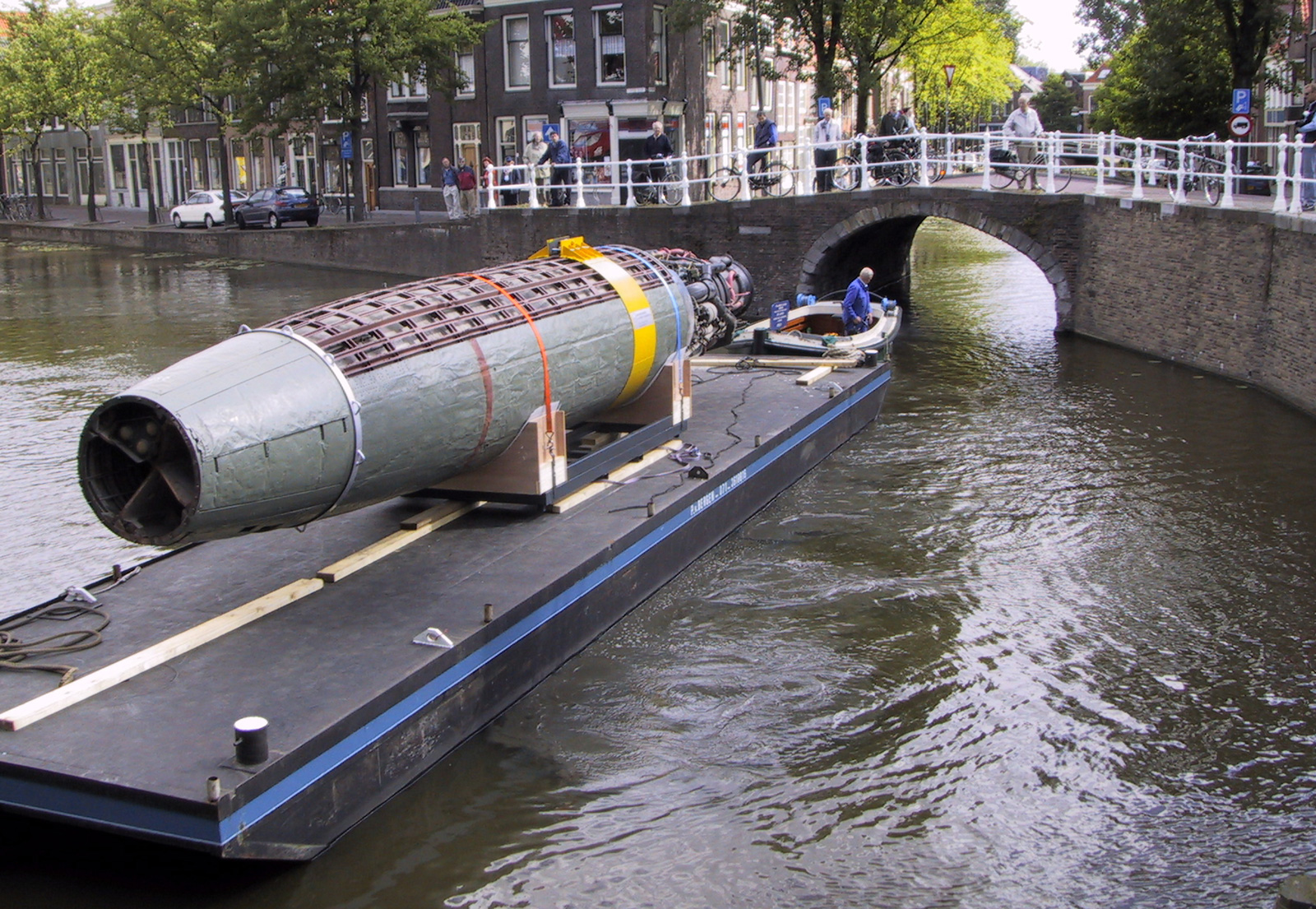
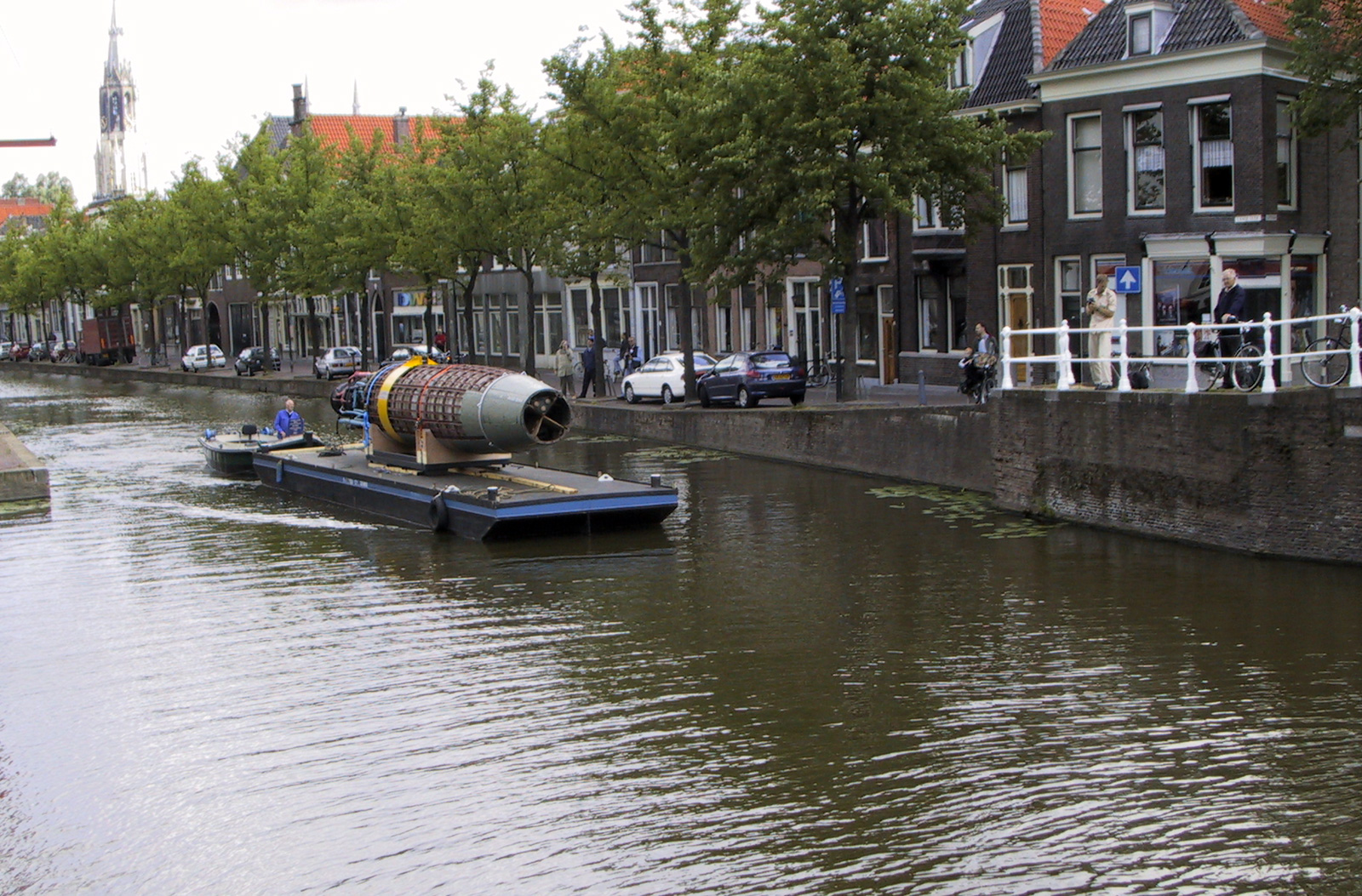
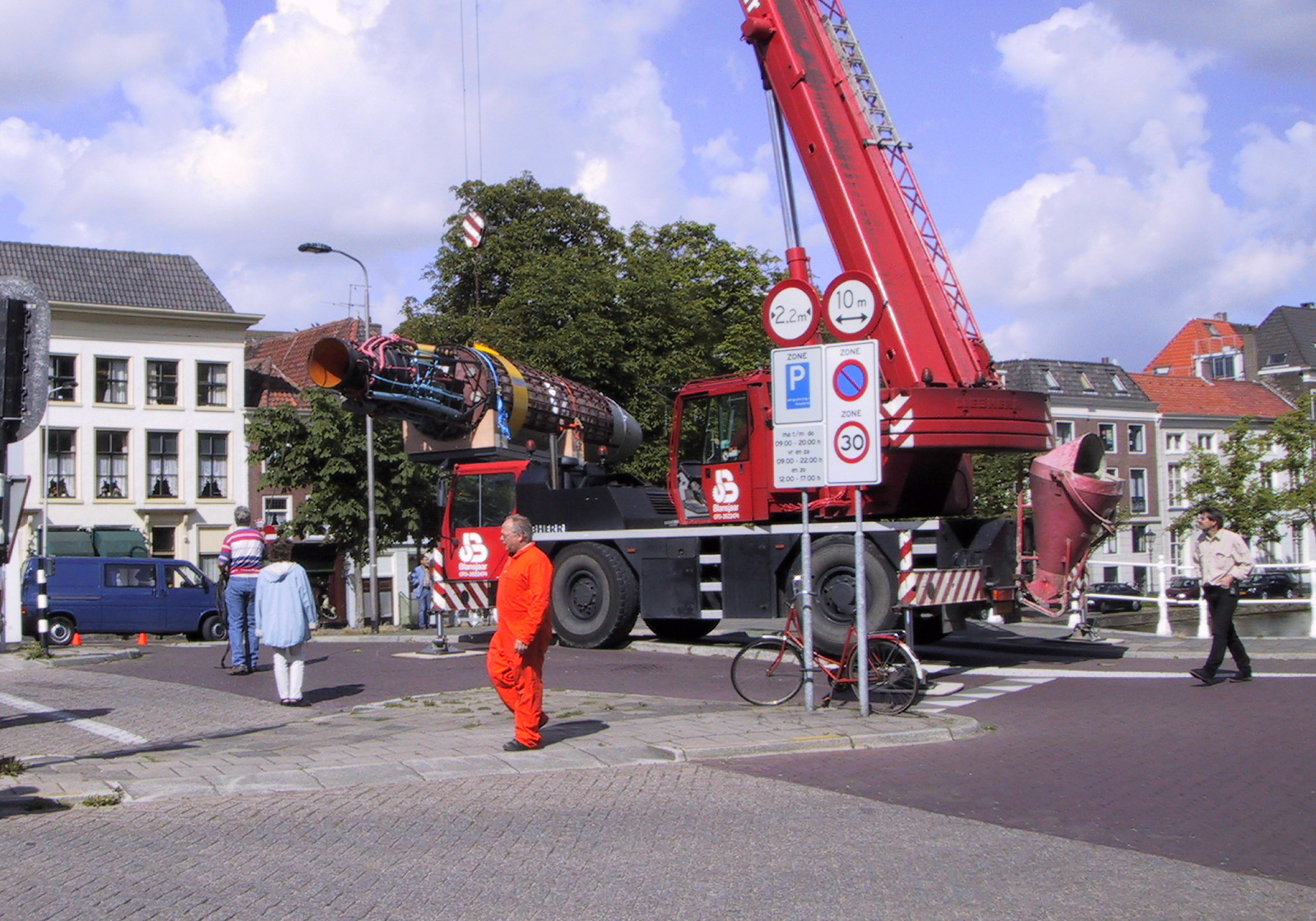
Photos below: 2004, V-2 rocket is removed
from Leger en Wapenmuseum in
Delft on canal.
(CLICK ON THUMBNAIL TO ENLARGE)
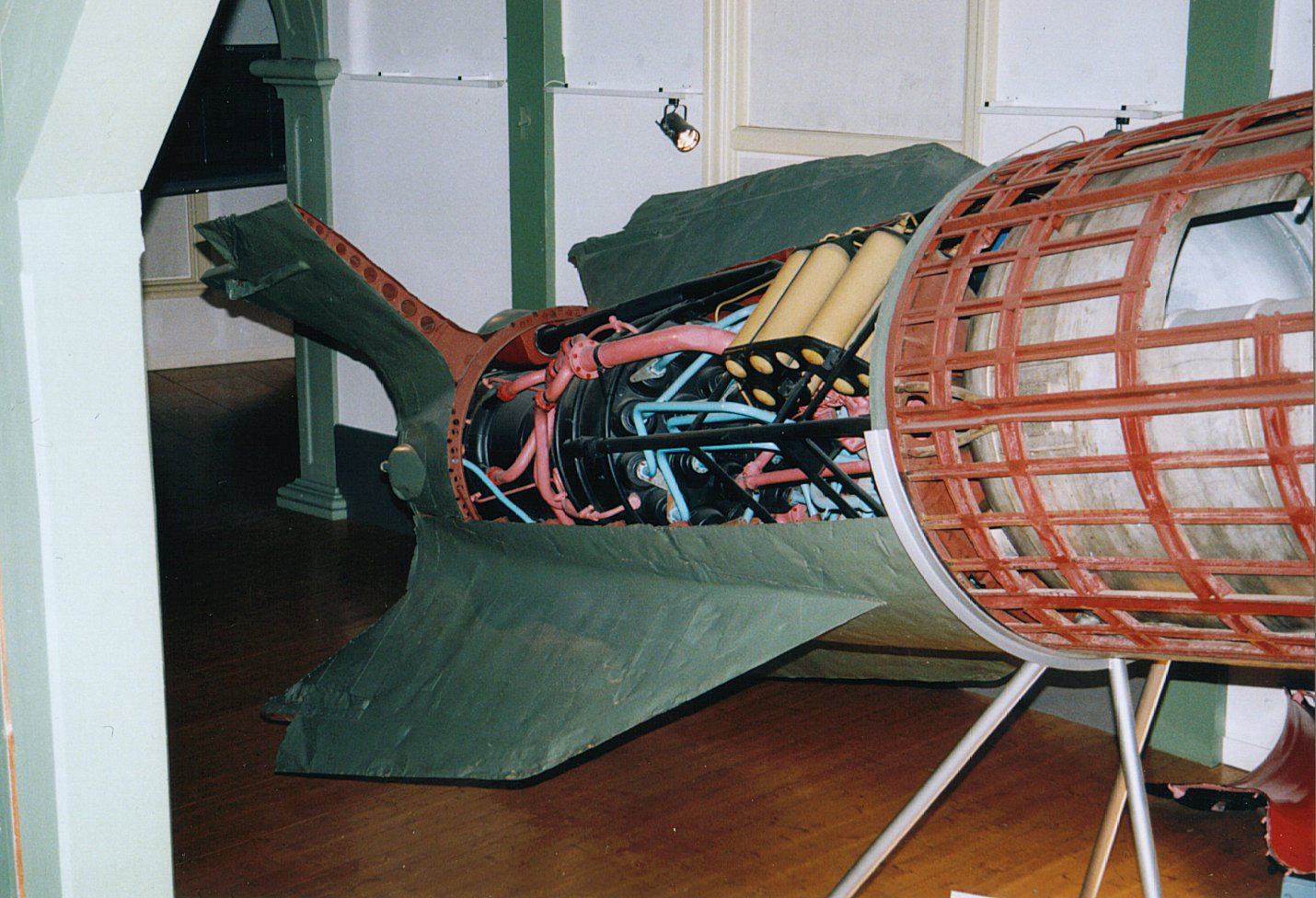
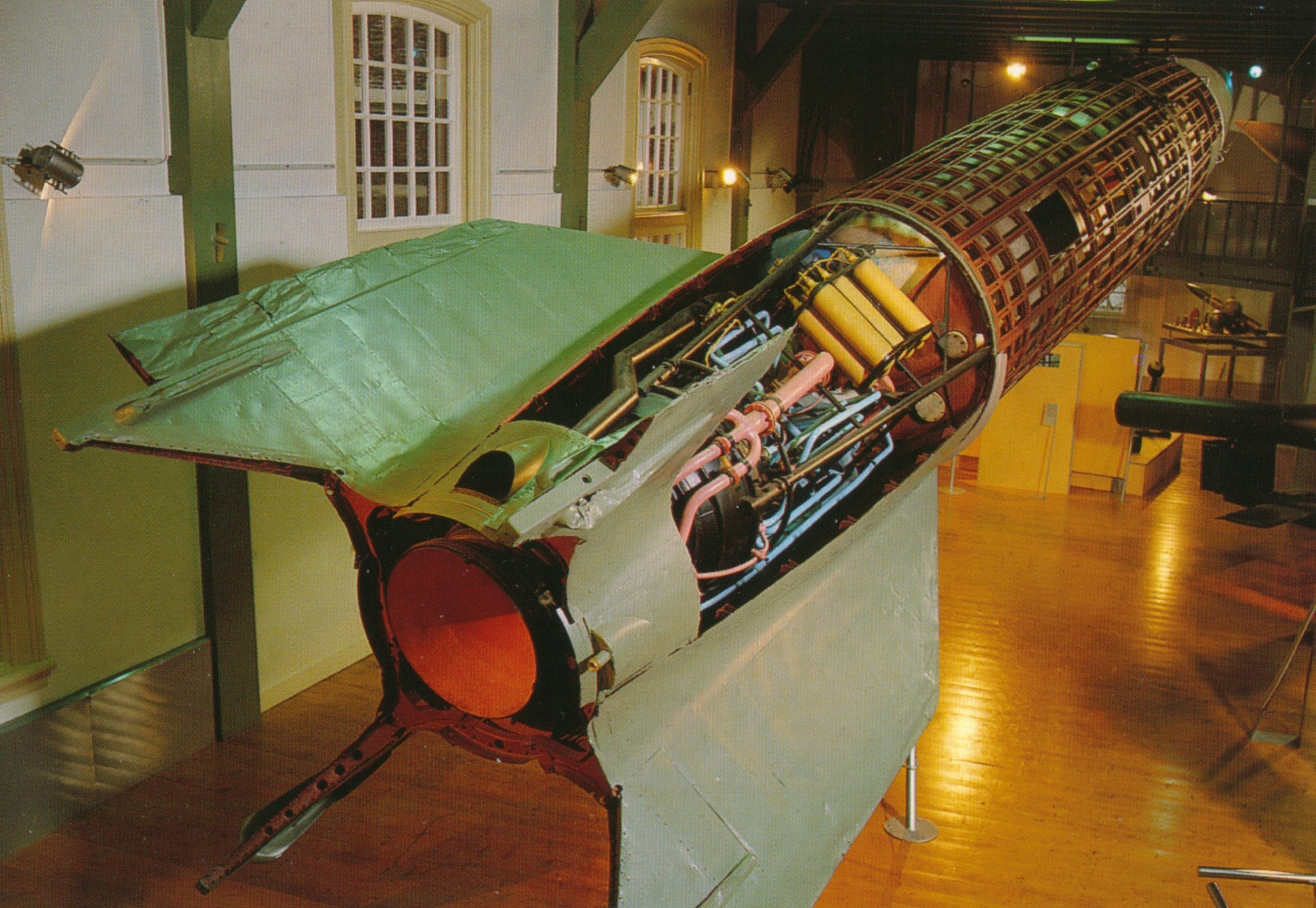
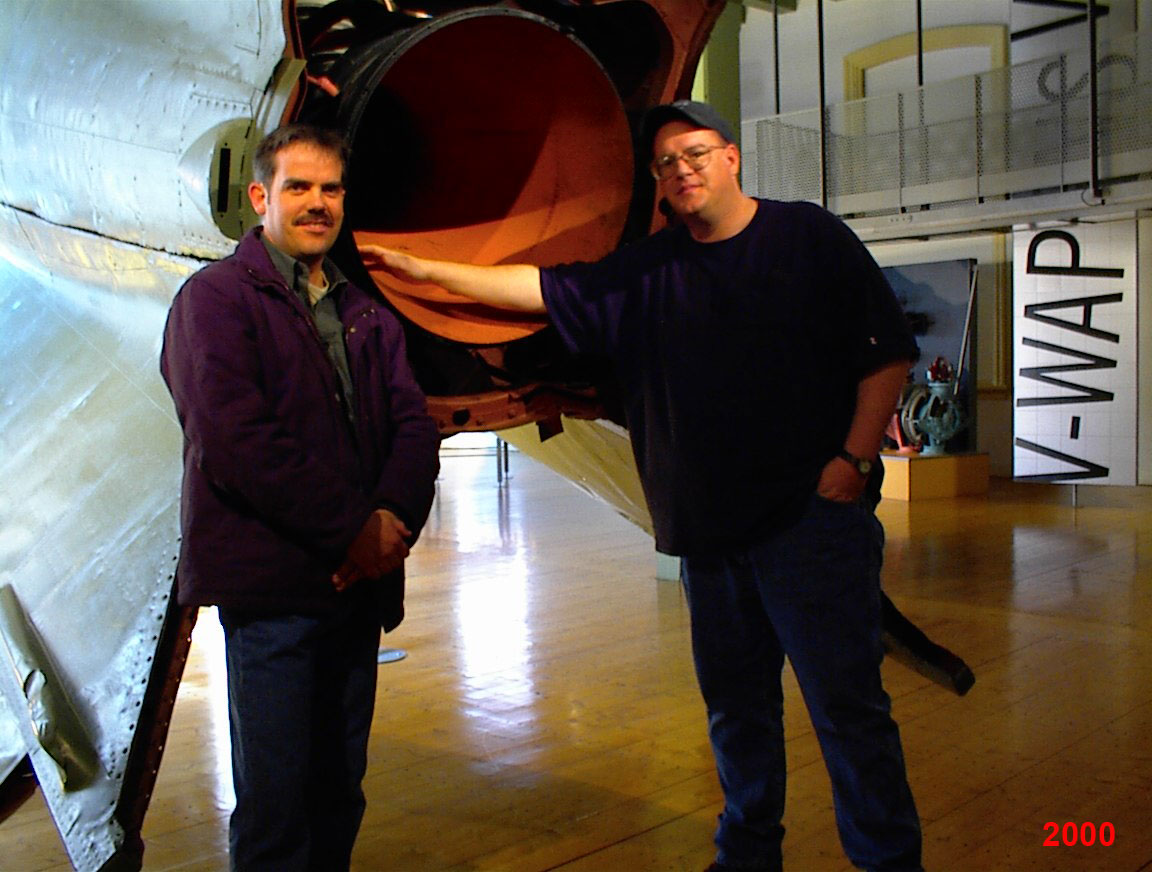
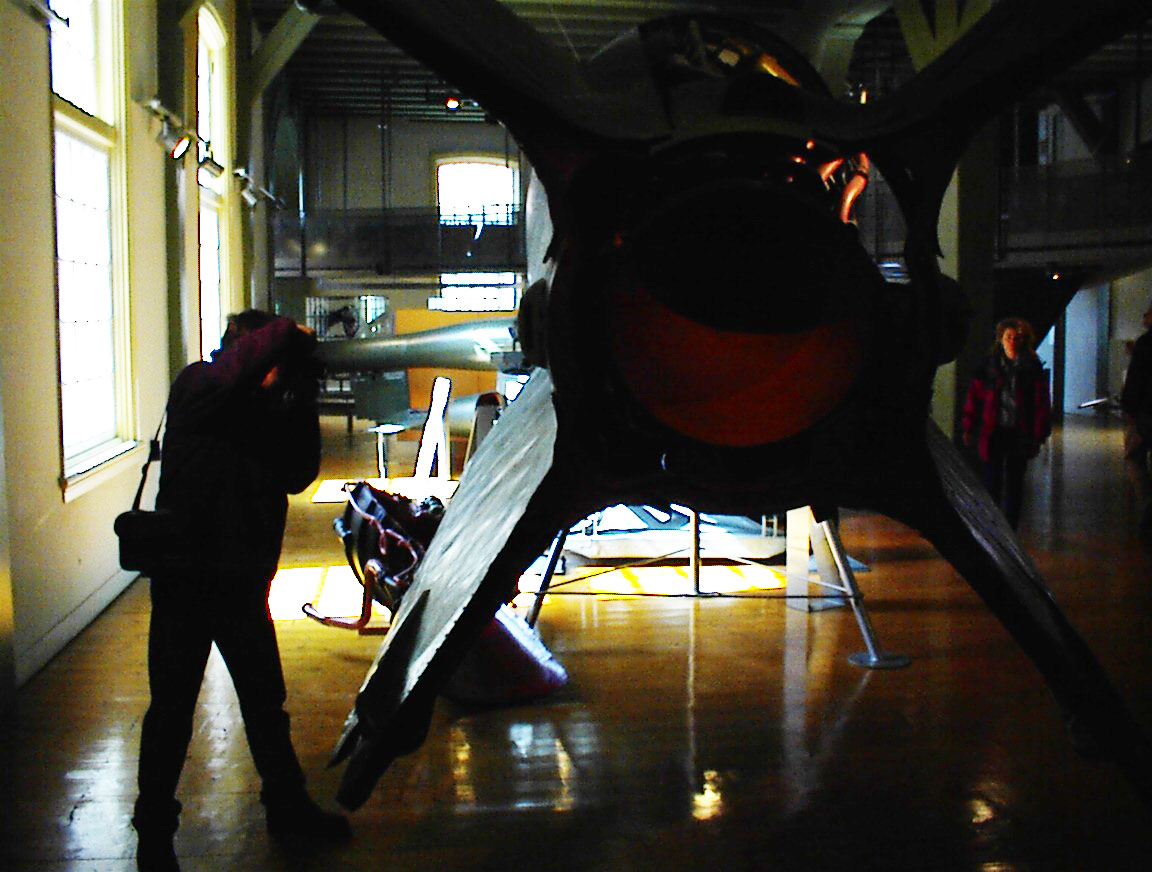
Photos below: 1997 and 2000, V-2
rocket on display for many
years at Leger en Wapenmuseum in
Delft.
(CLICK ON THUMBNAIL TO ENLARGE)
Video from April 2000 of V-Weapon
collection on display at
Delft.
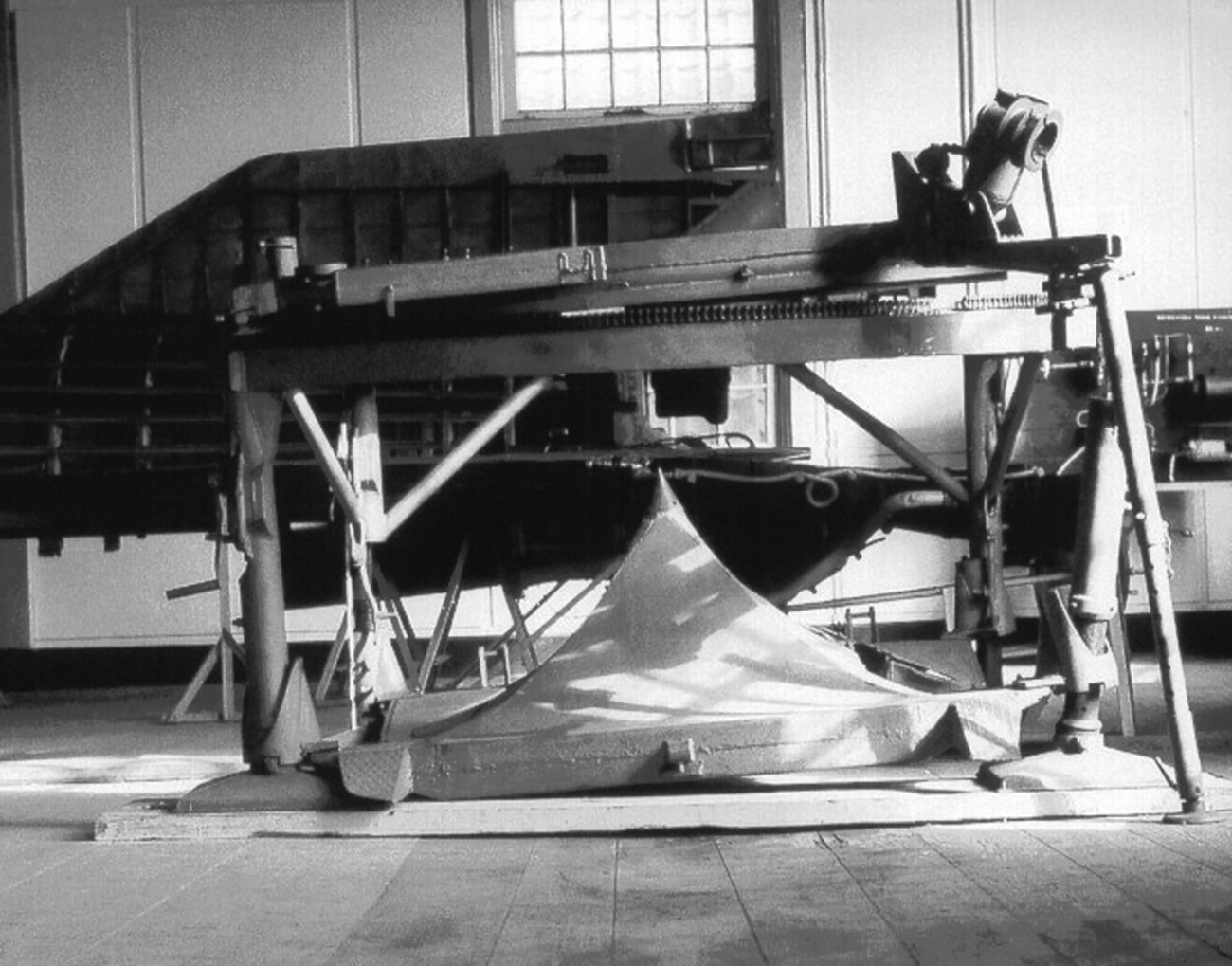
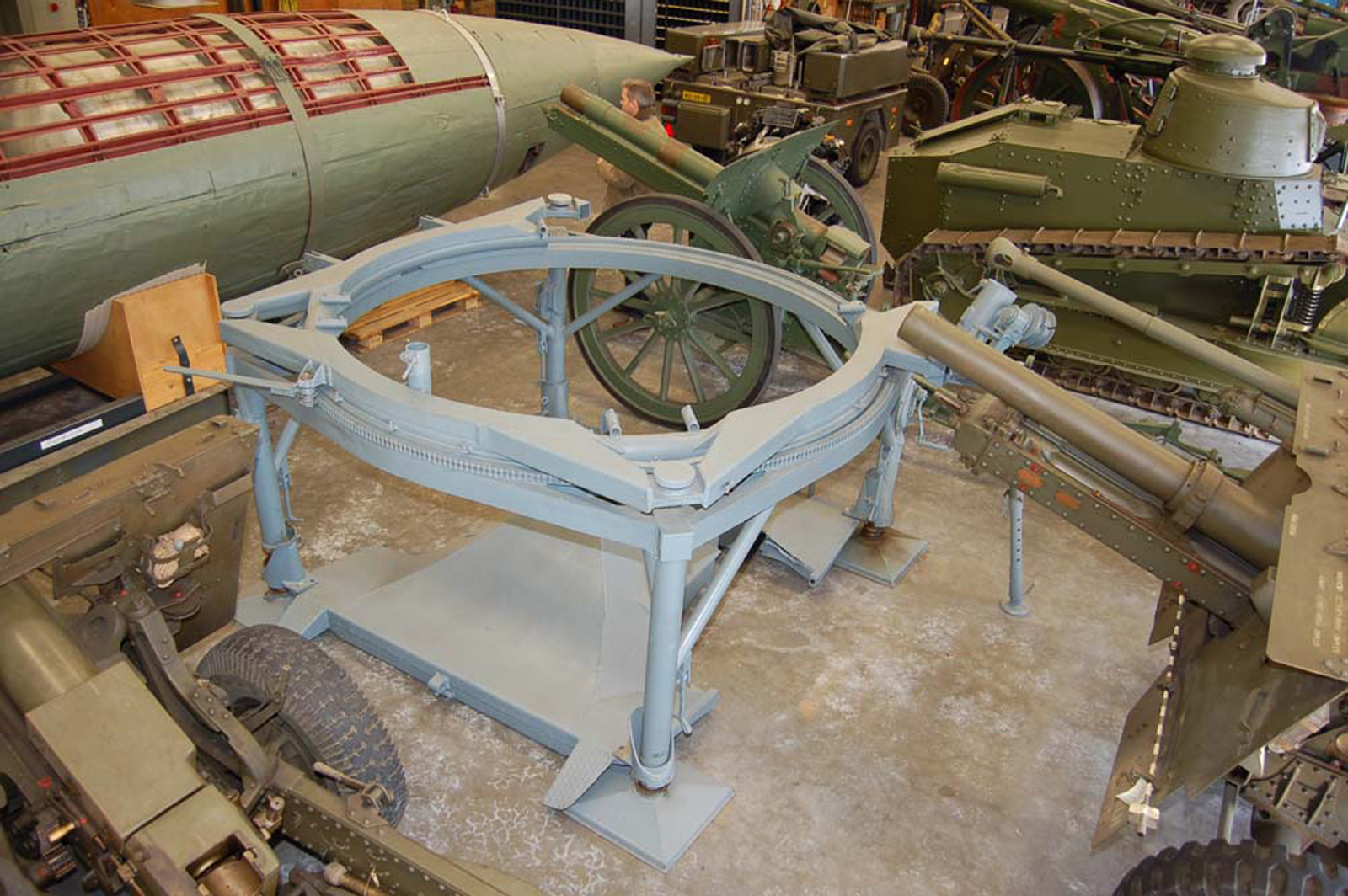
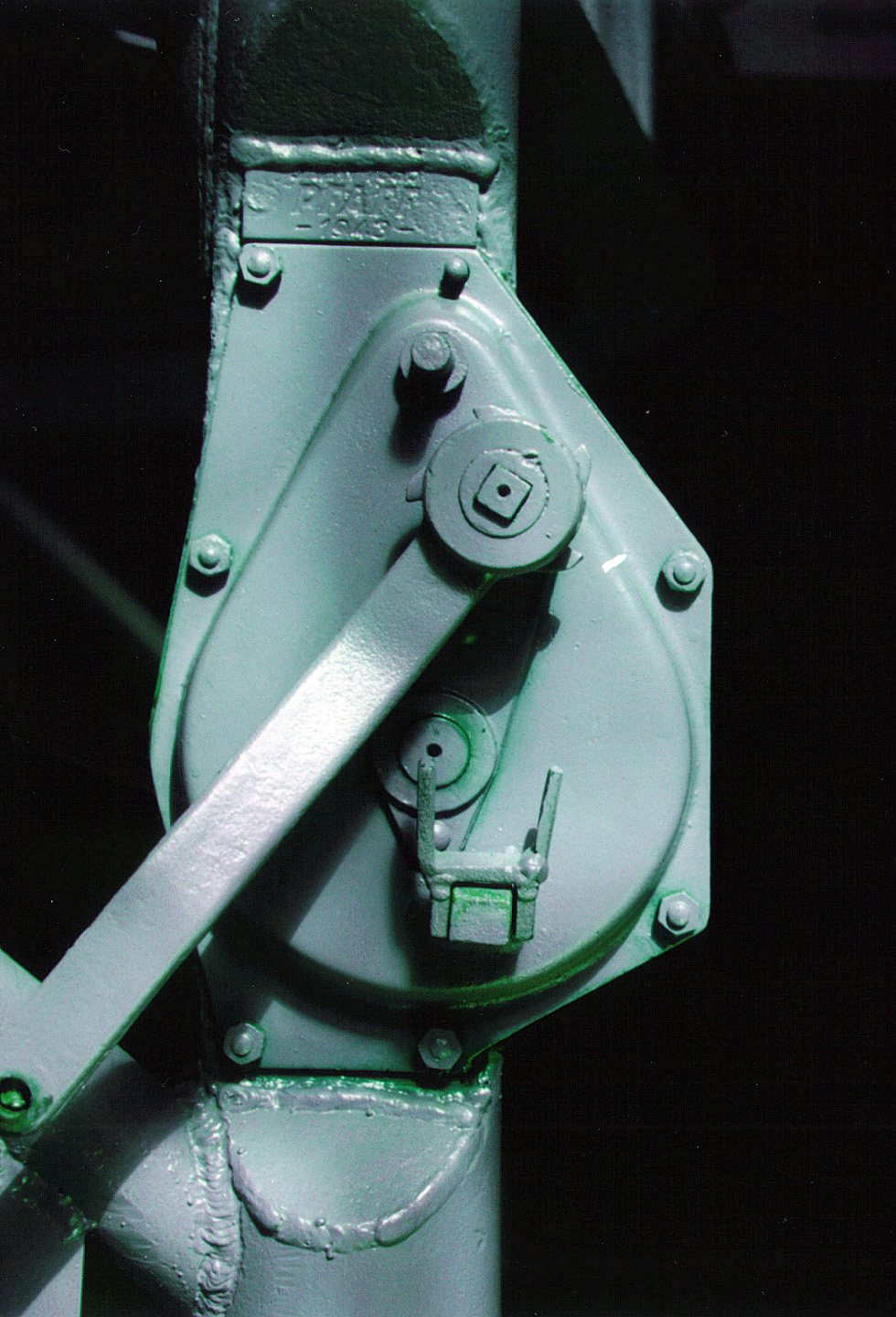
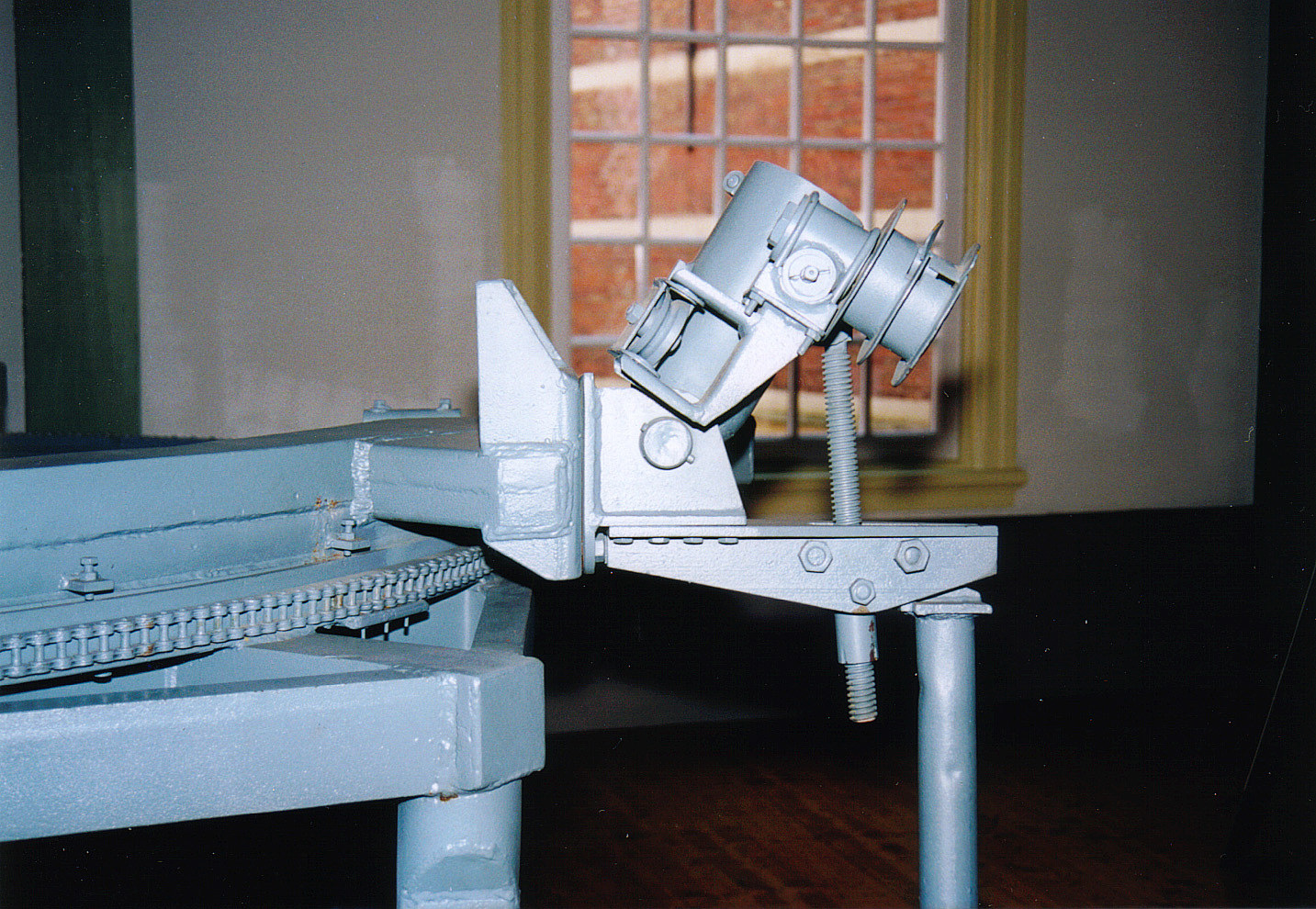
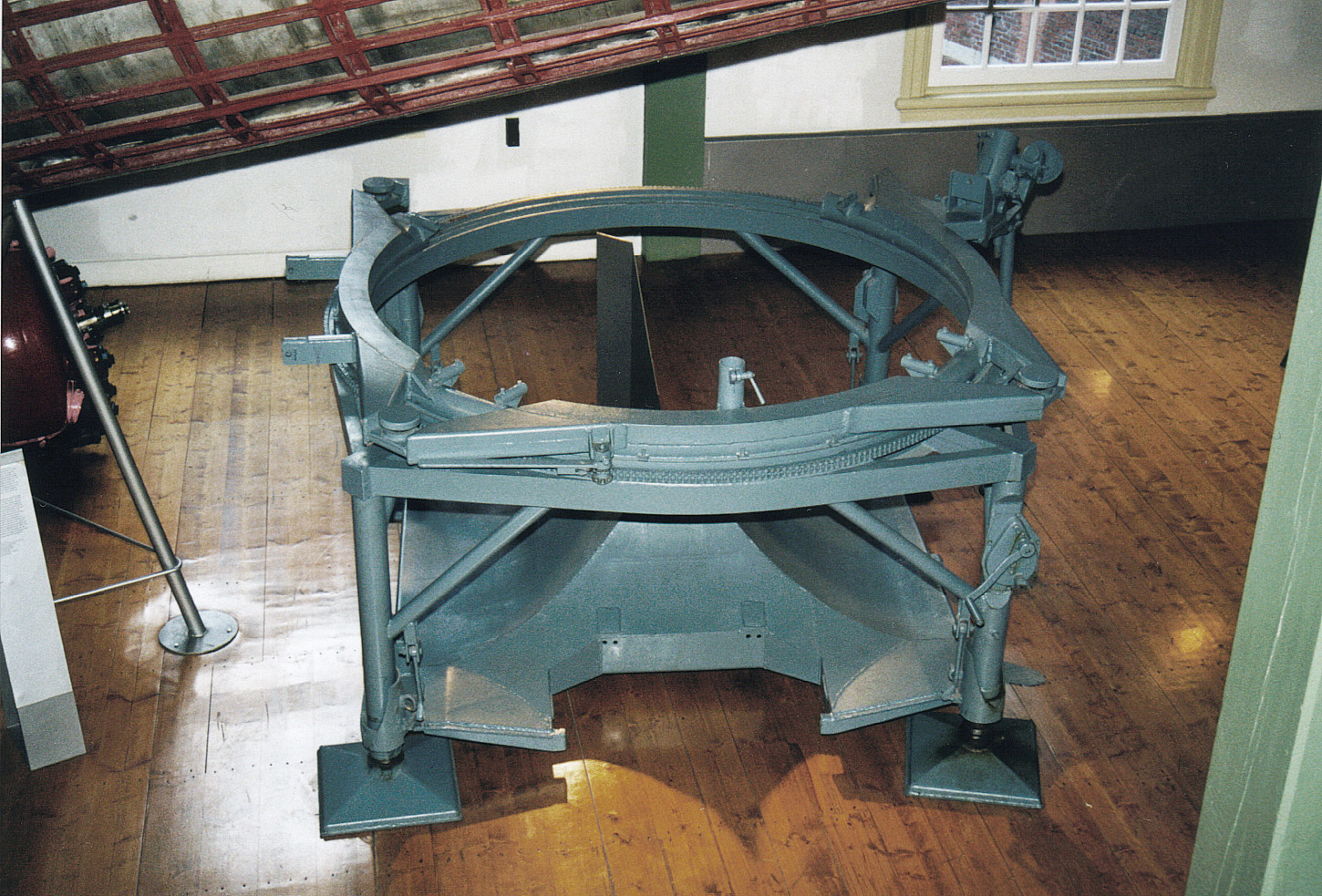
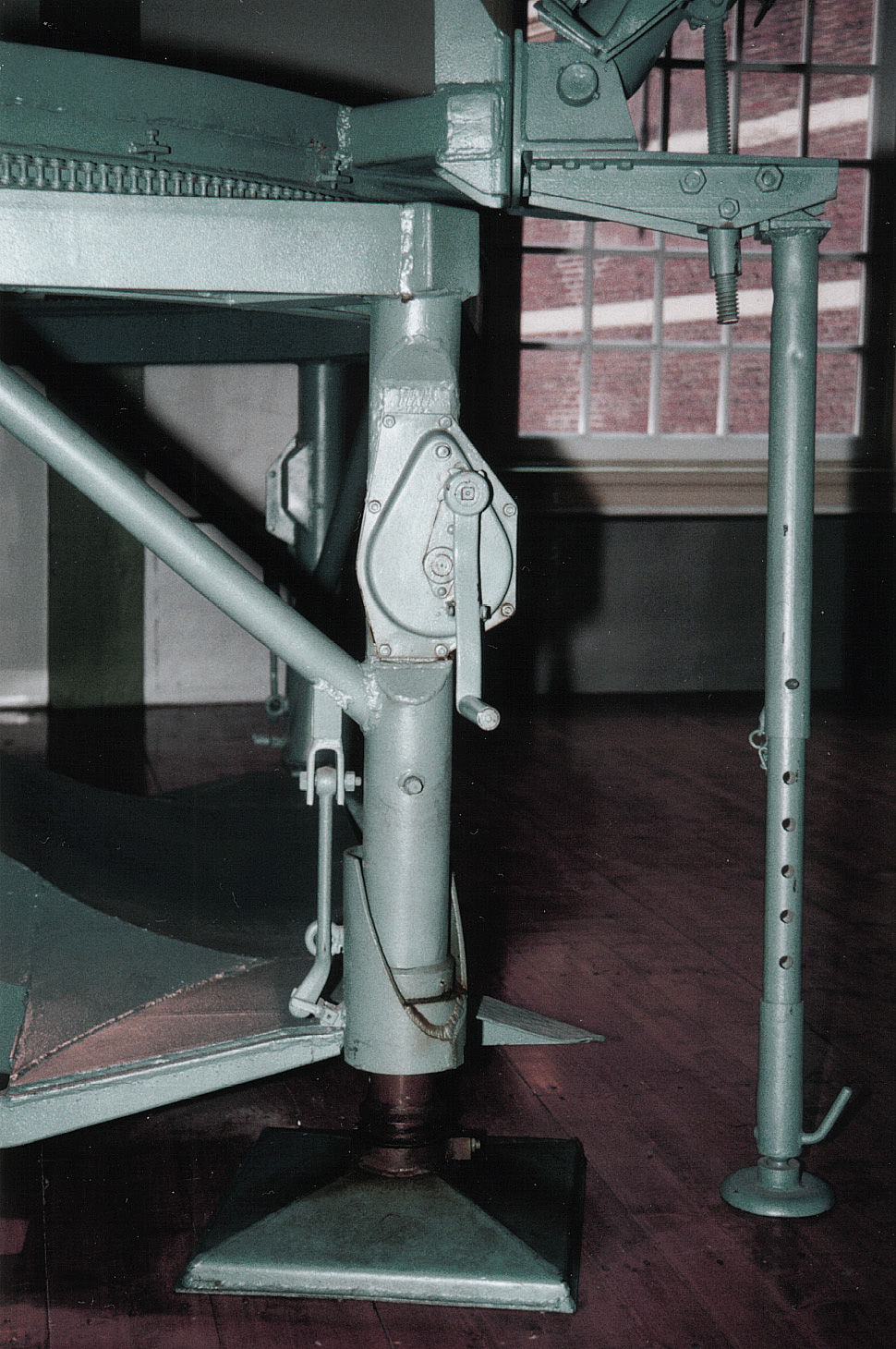
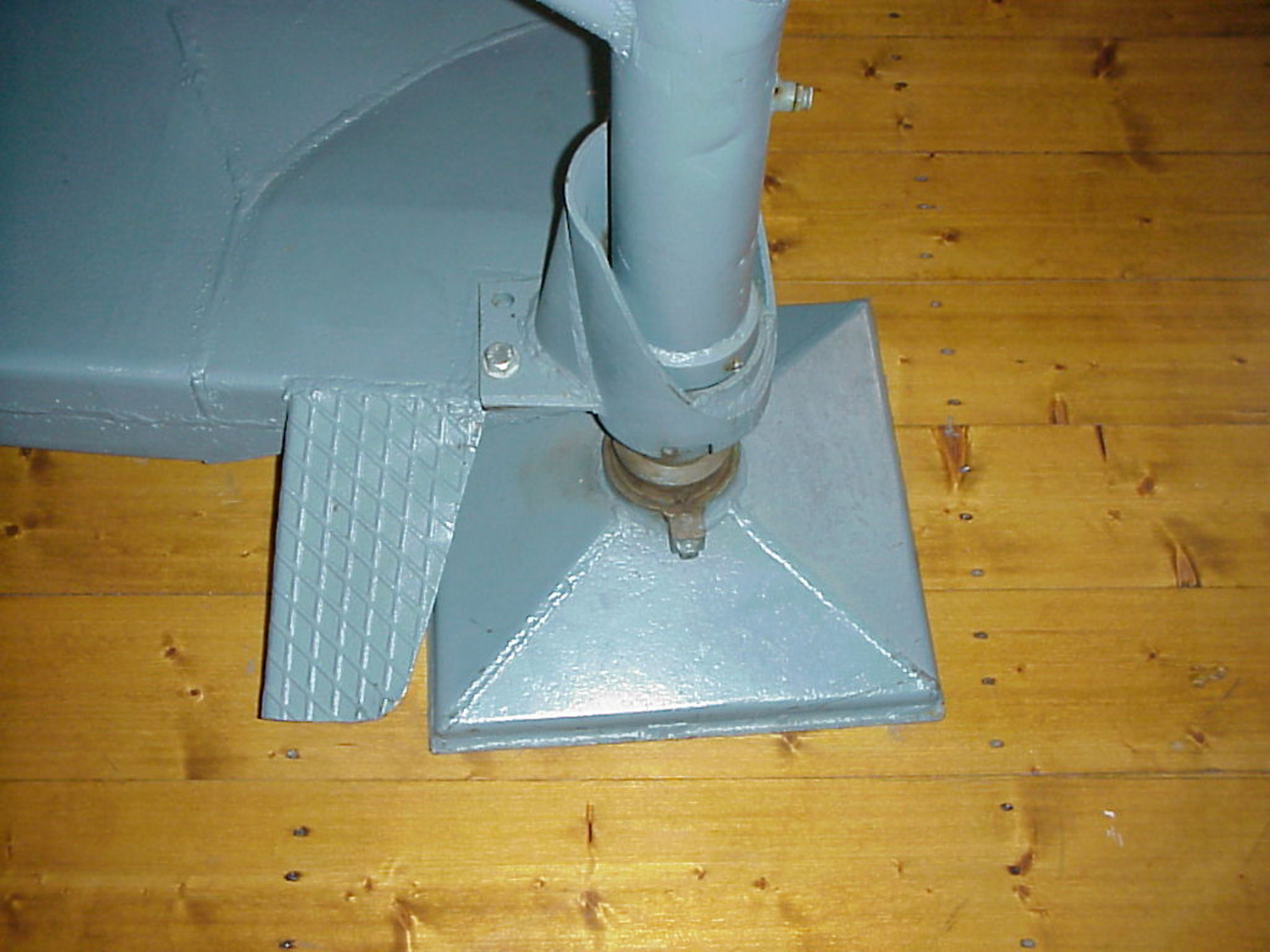
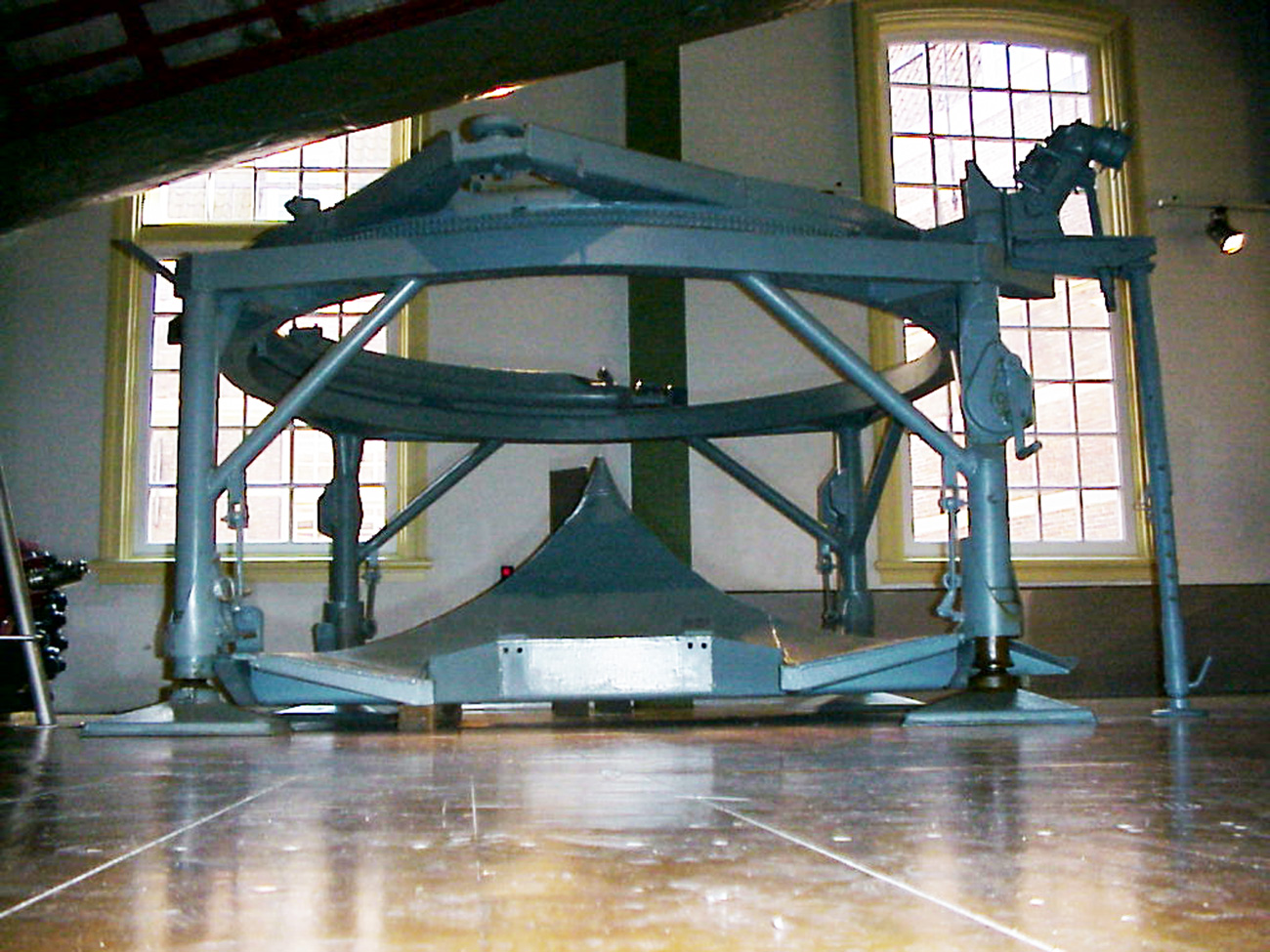
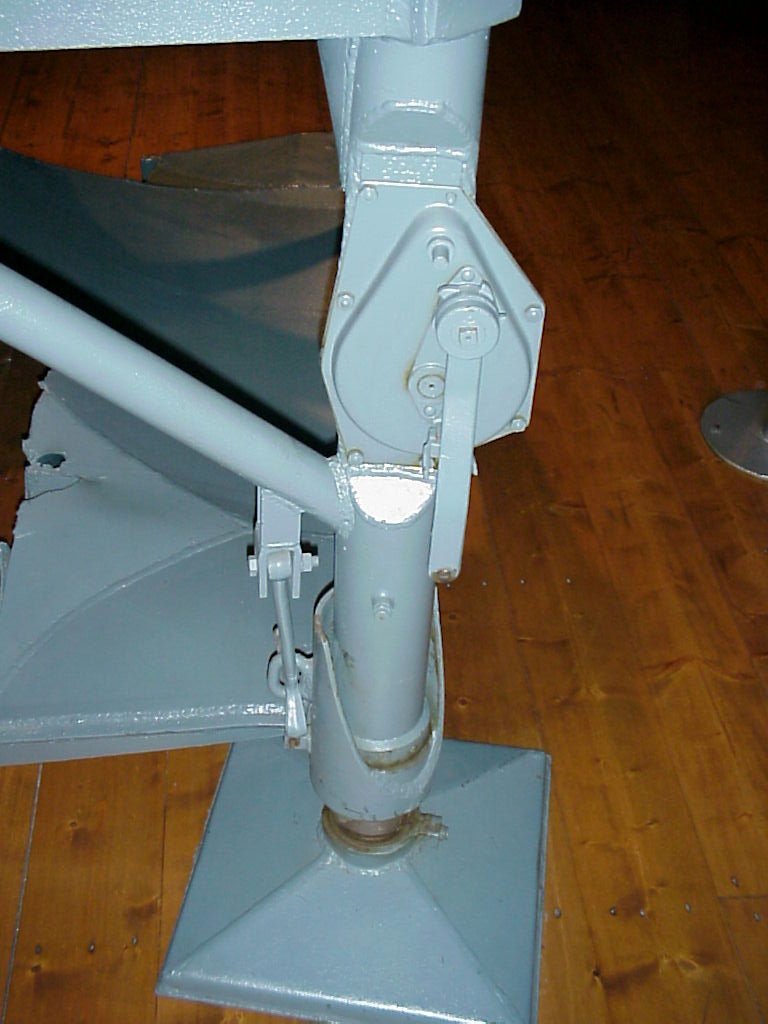
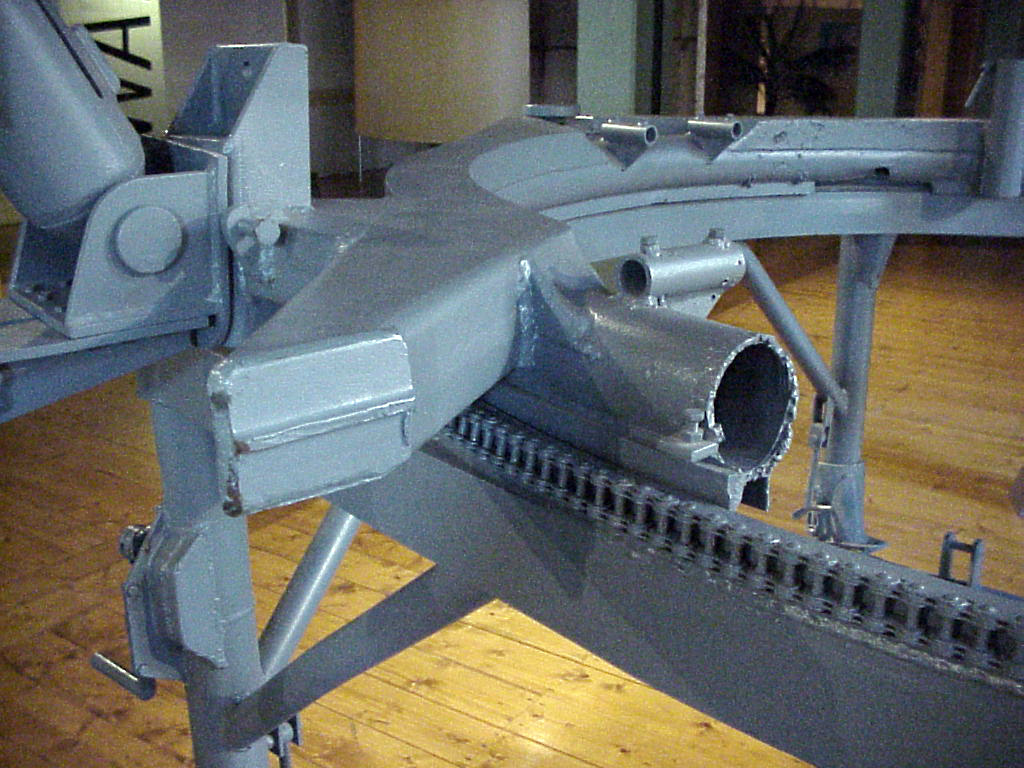
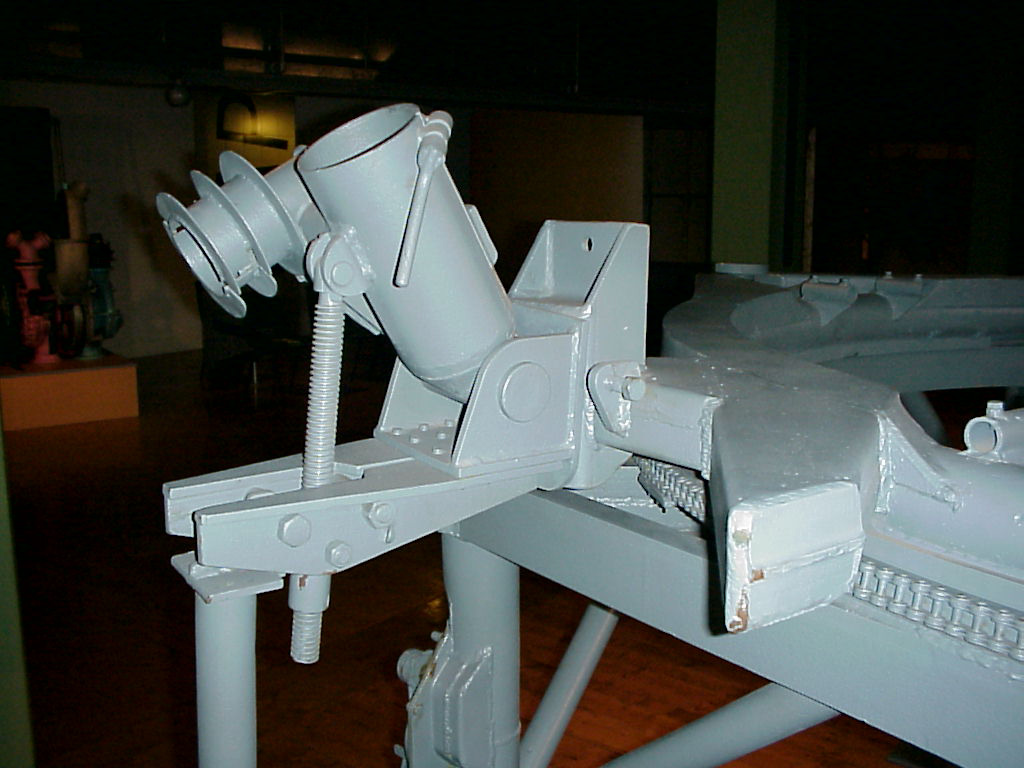
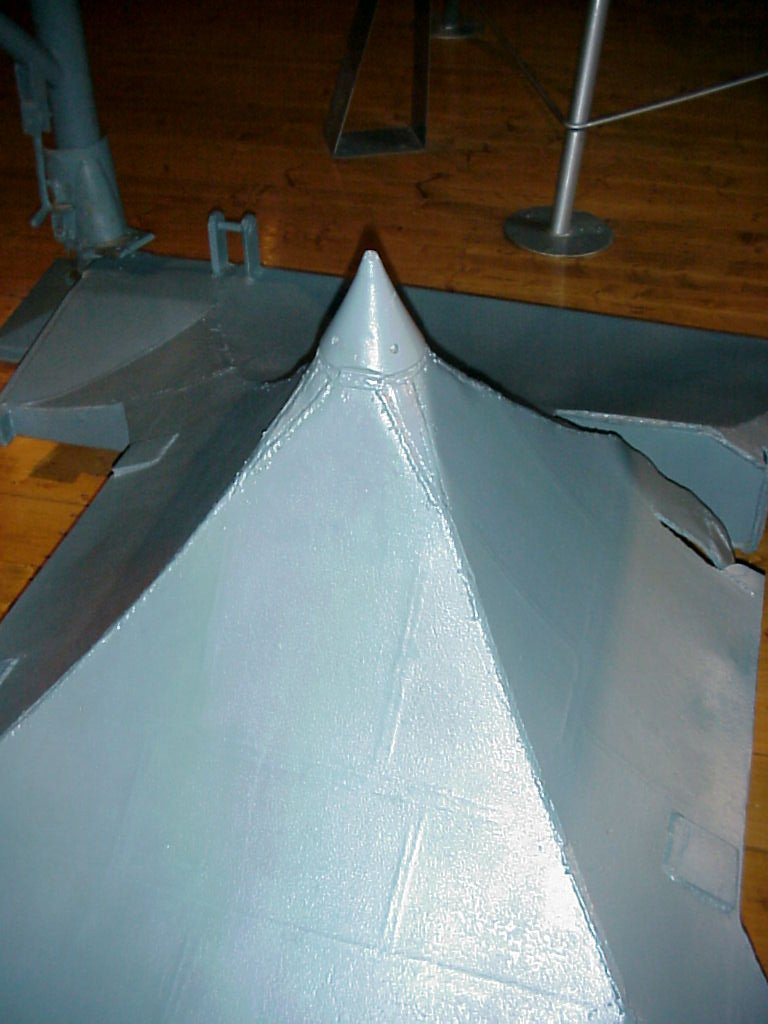
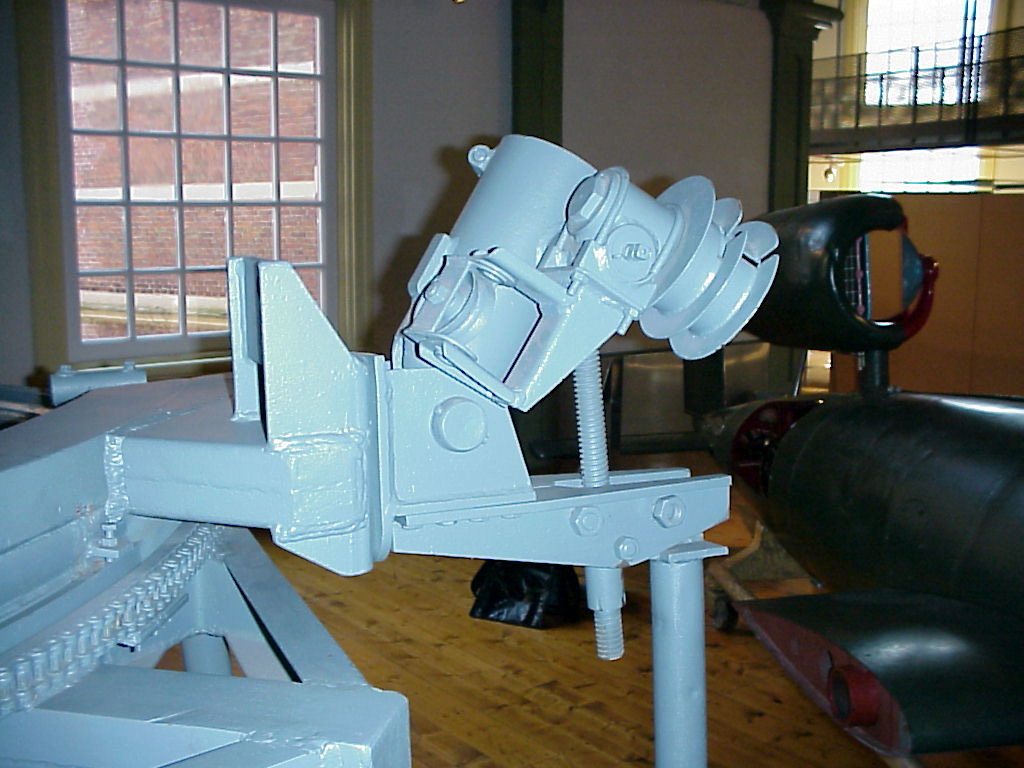
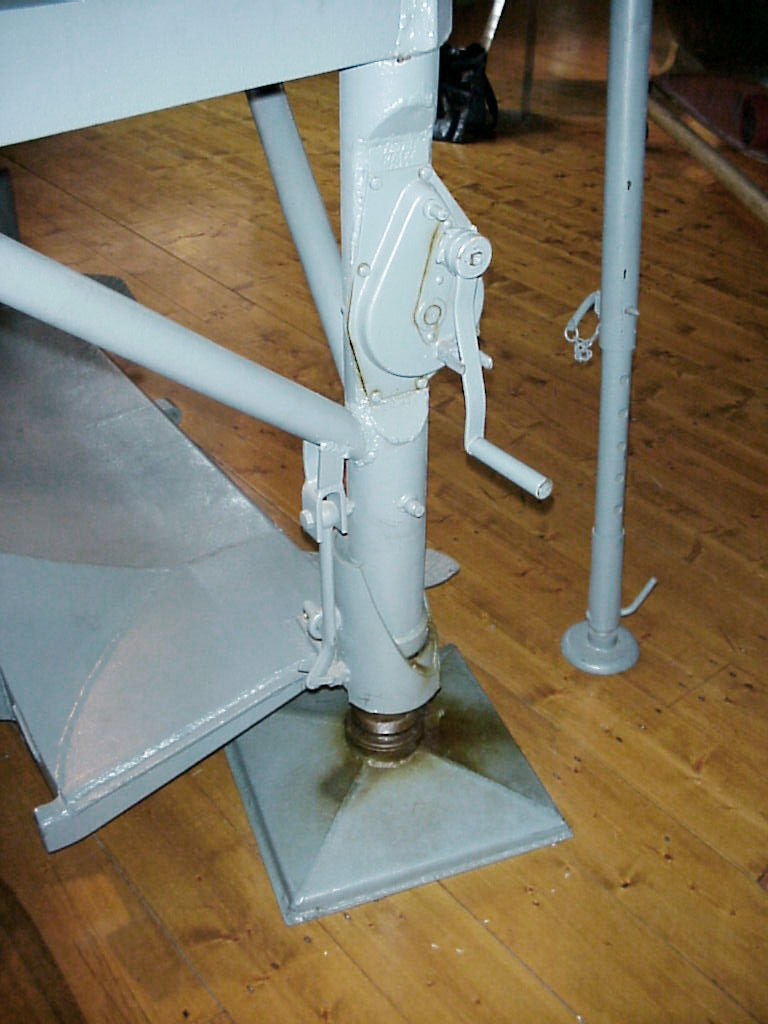
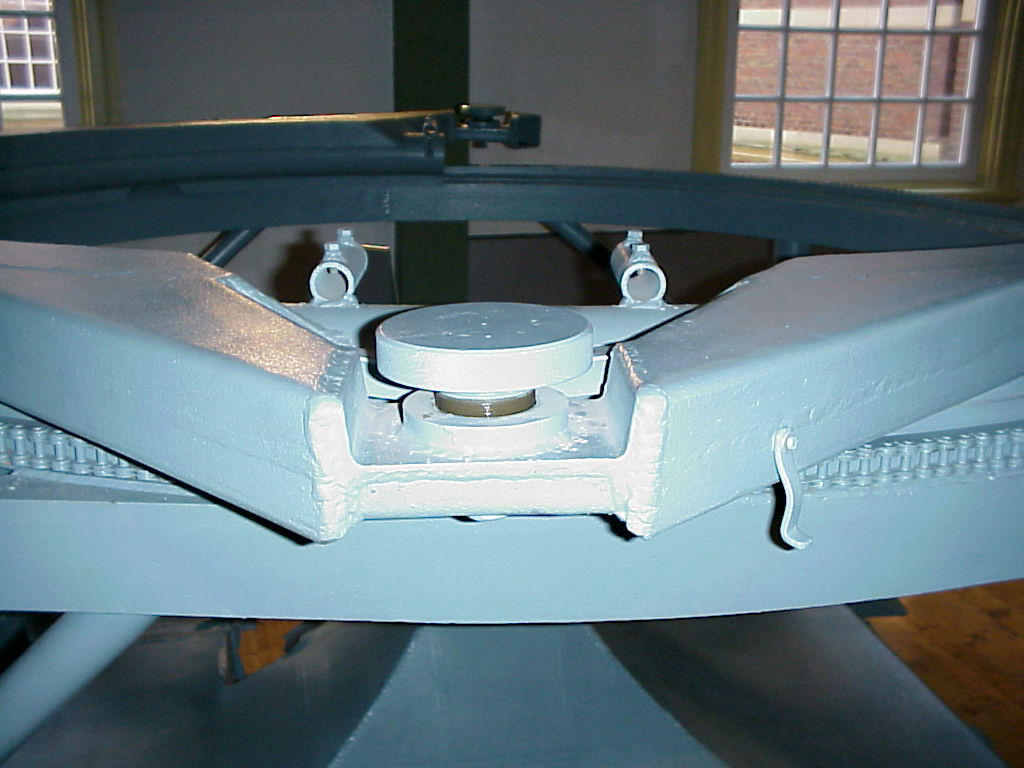
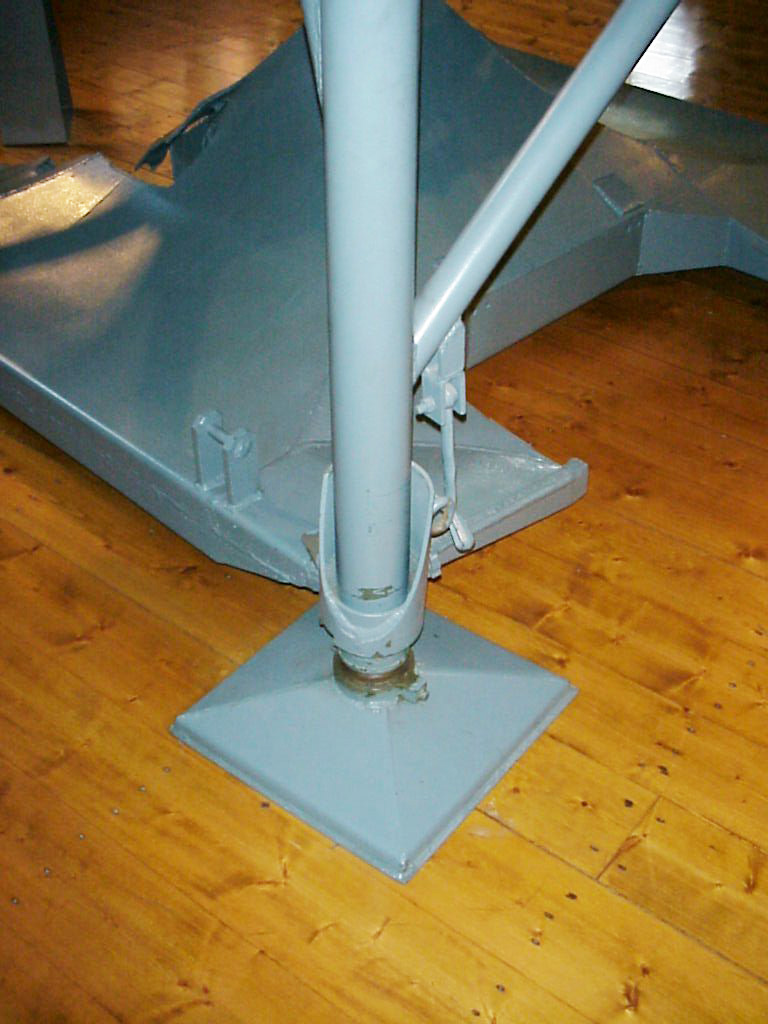
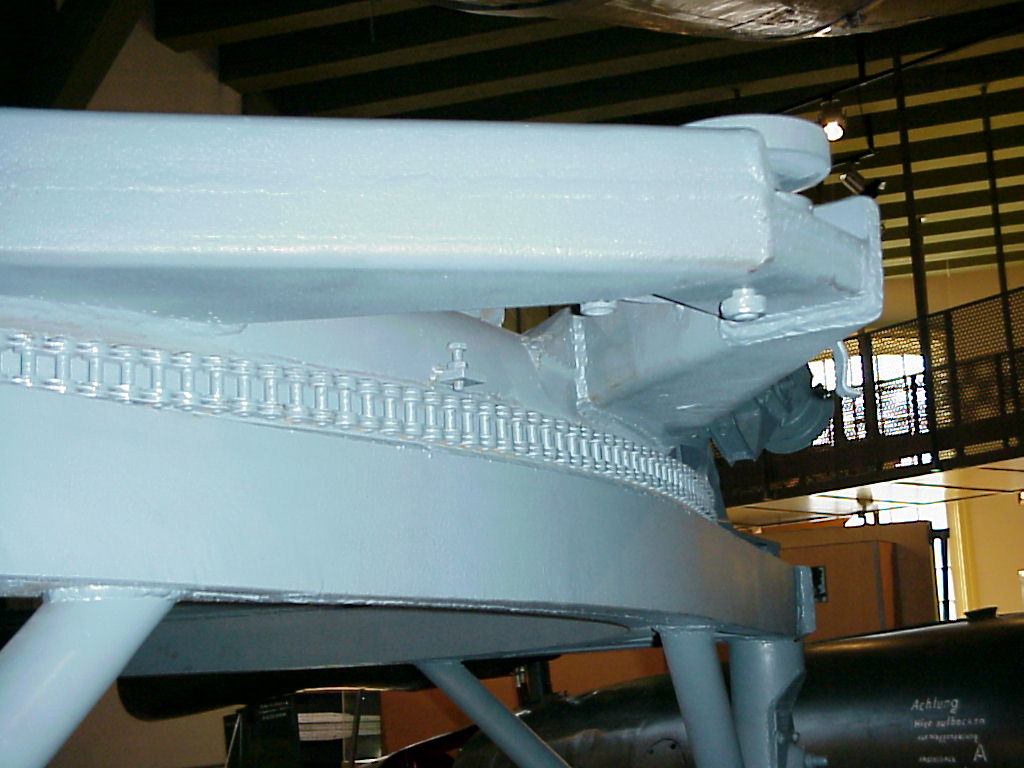
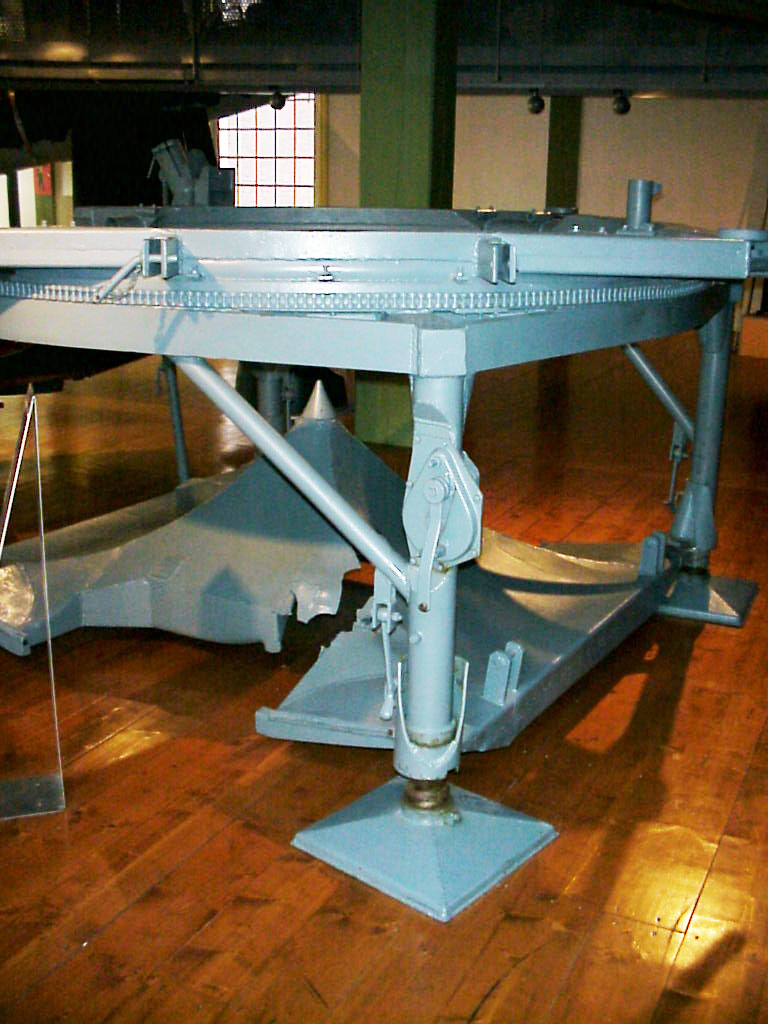
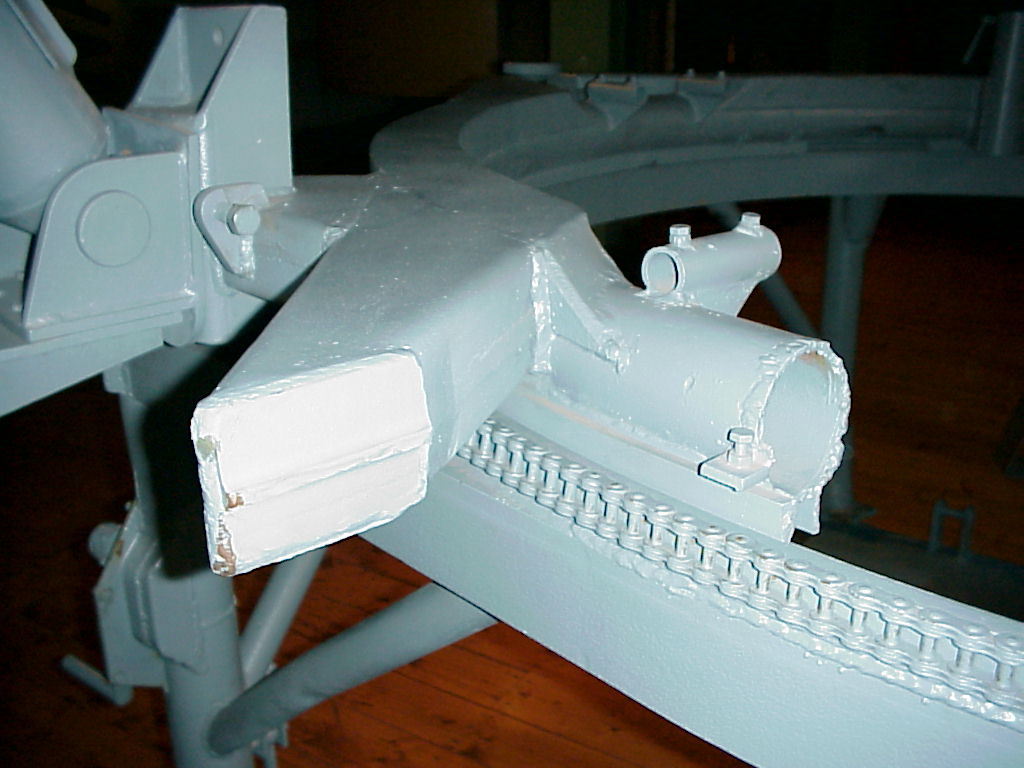
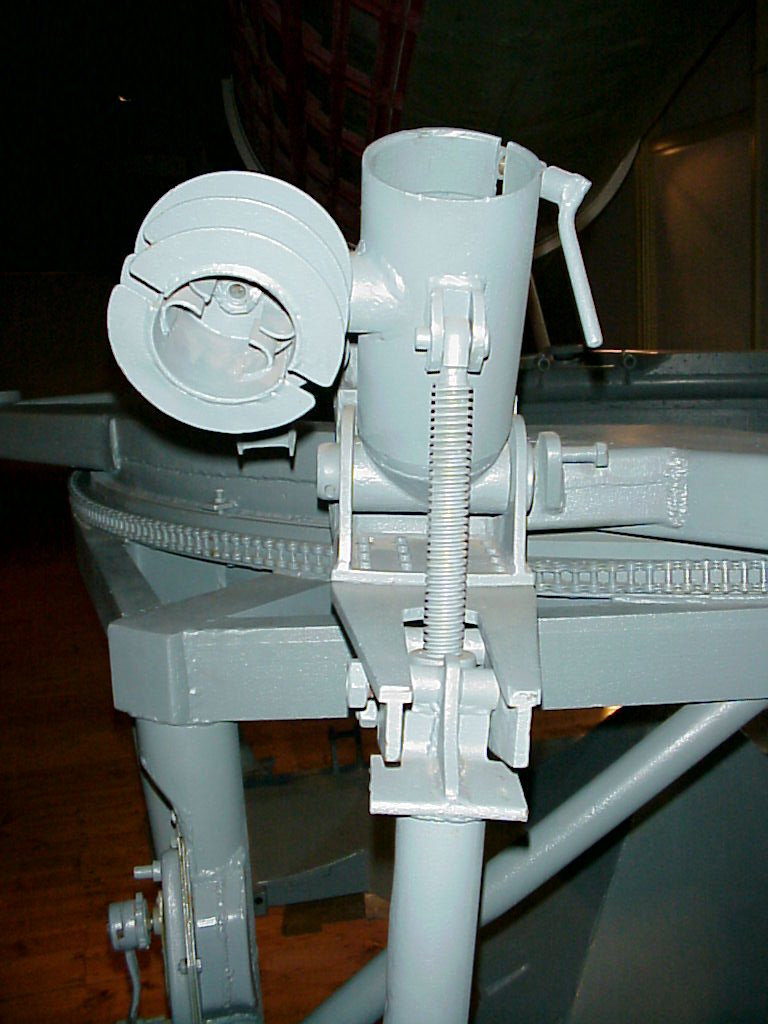
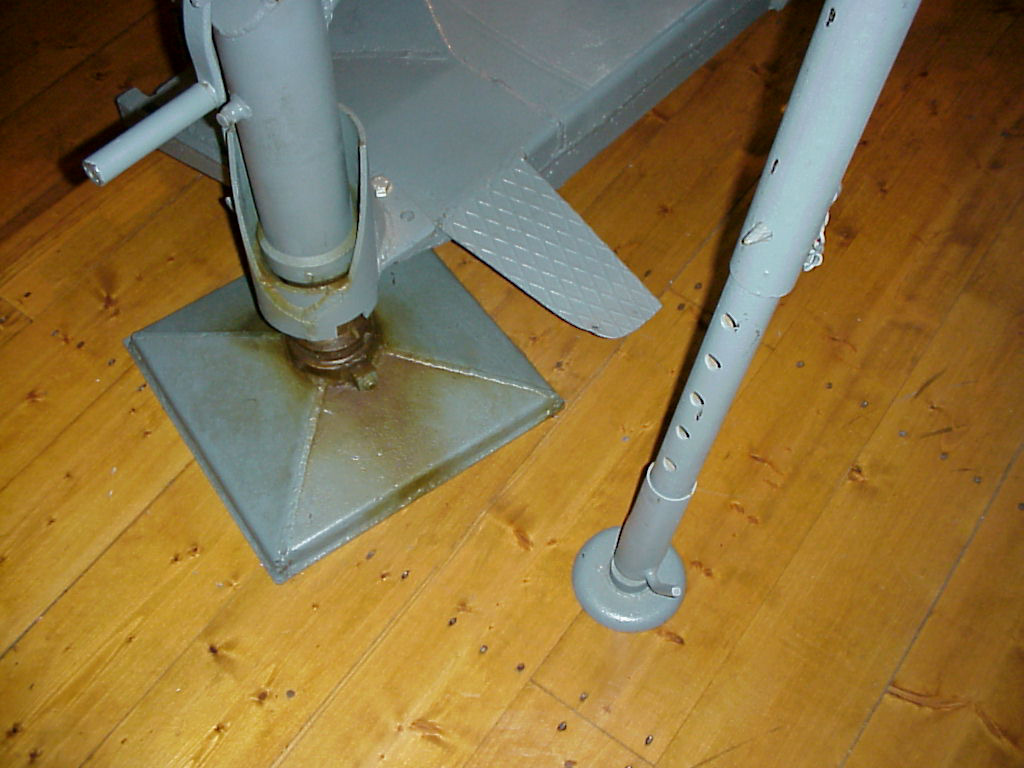
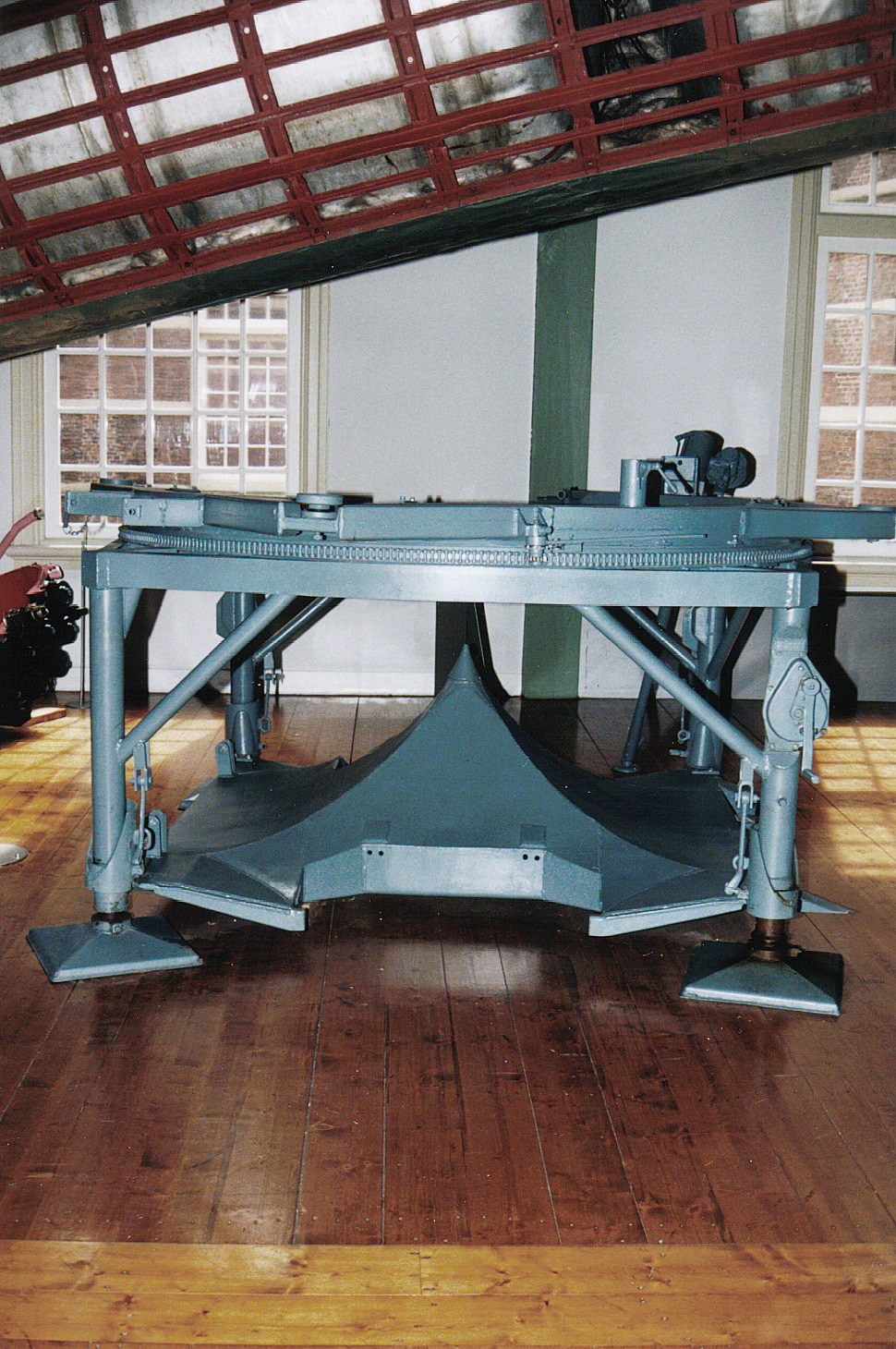
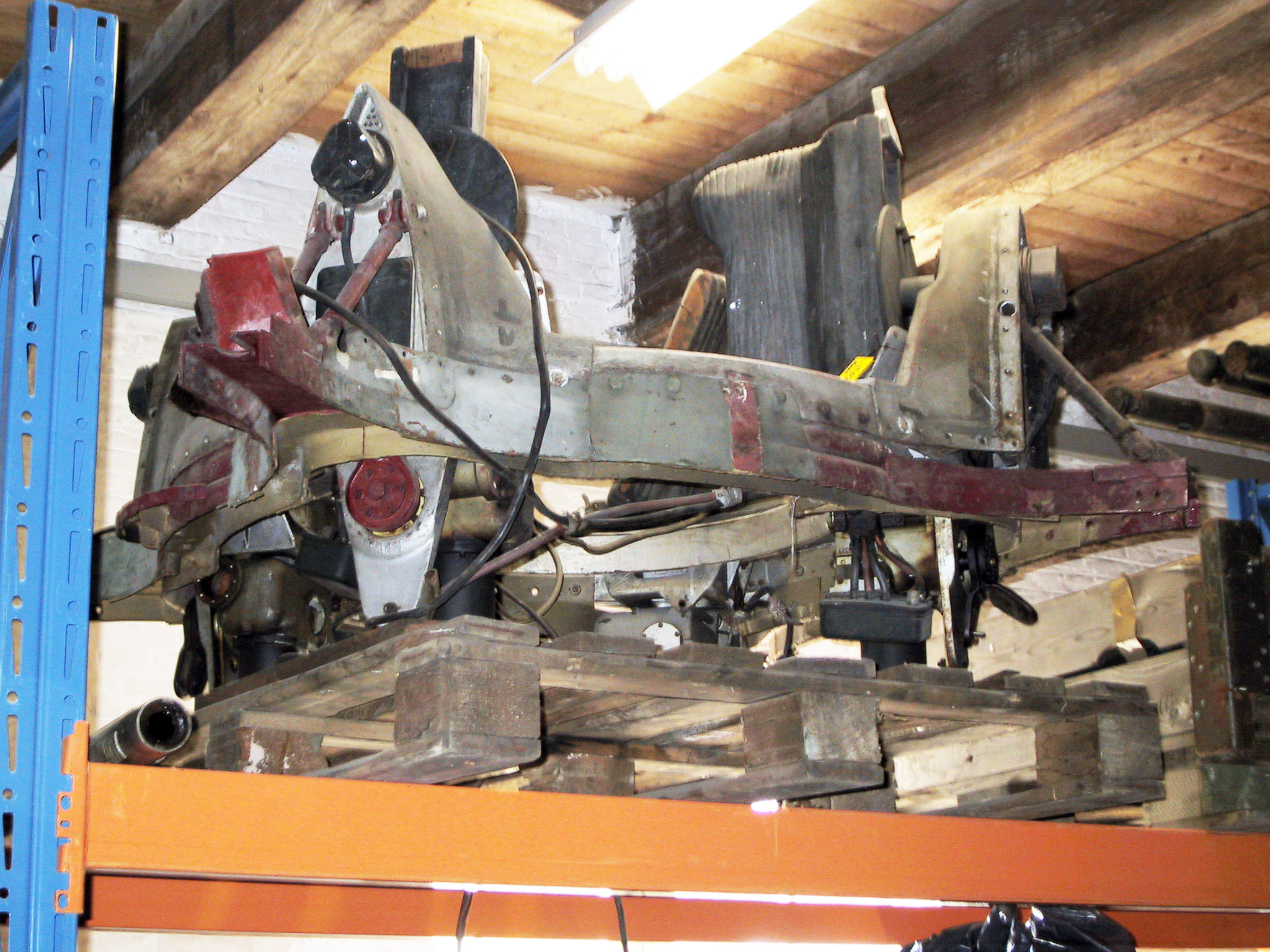
Photos below: 2000,
Abschussplattform (launching
table) on display in
Delft. The
Pfaff-Silberblau
company,
that made
winches
and jack stands, is
not related to the well-known
PFAFF sewing machine
company in Germany.
(CLICK ON THUMBNAIL TO ENLARGE)
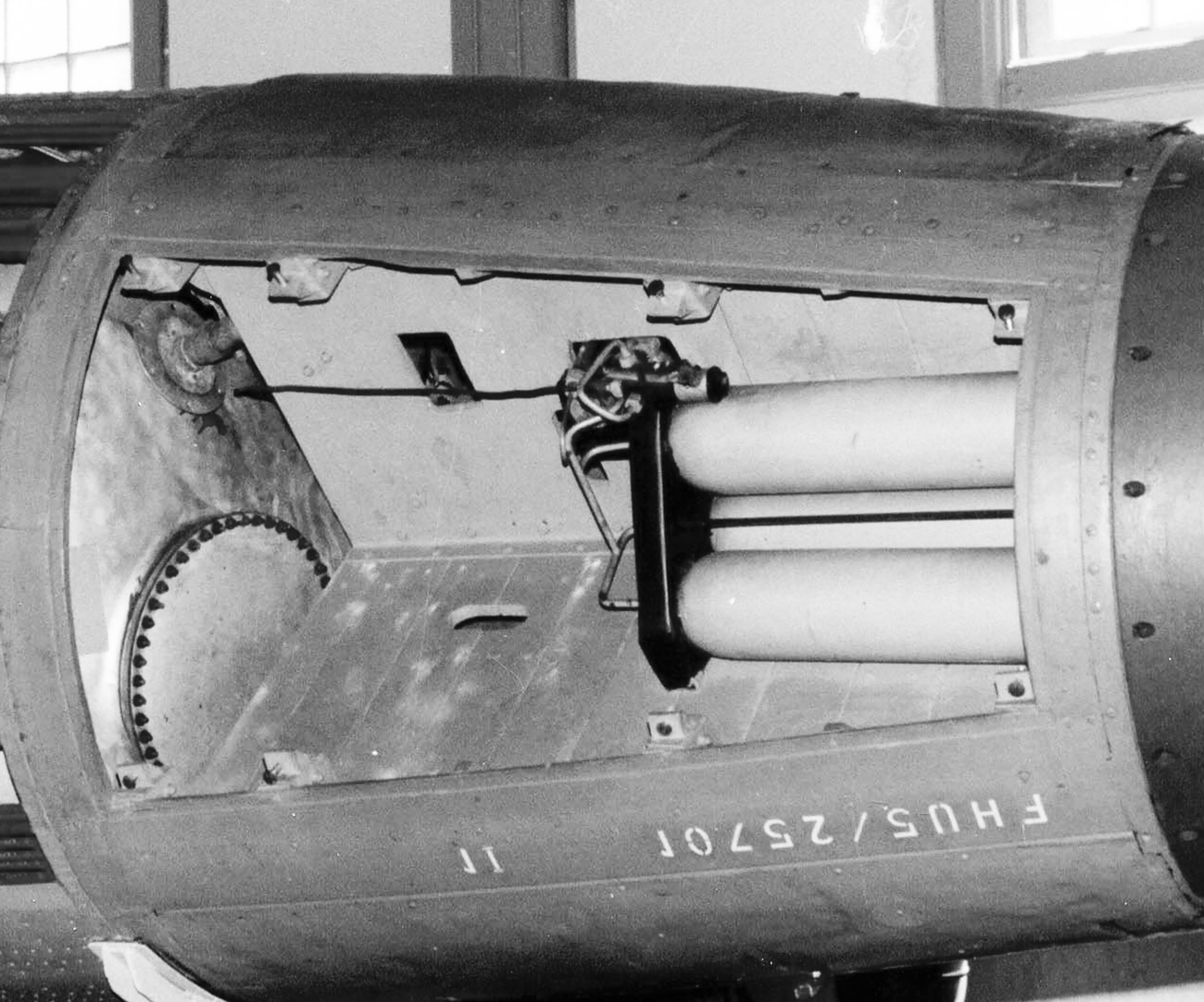
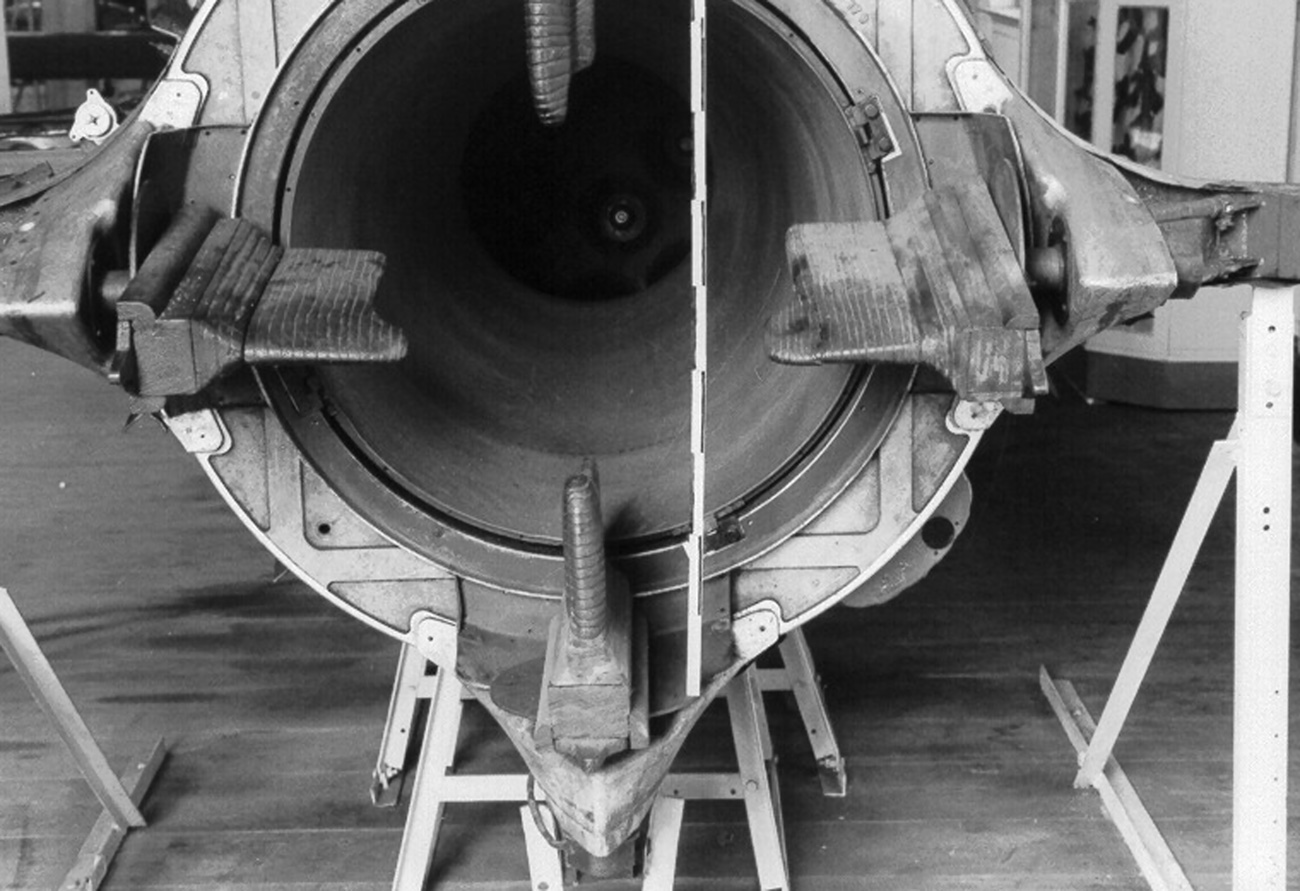
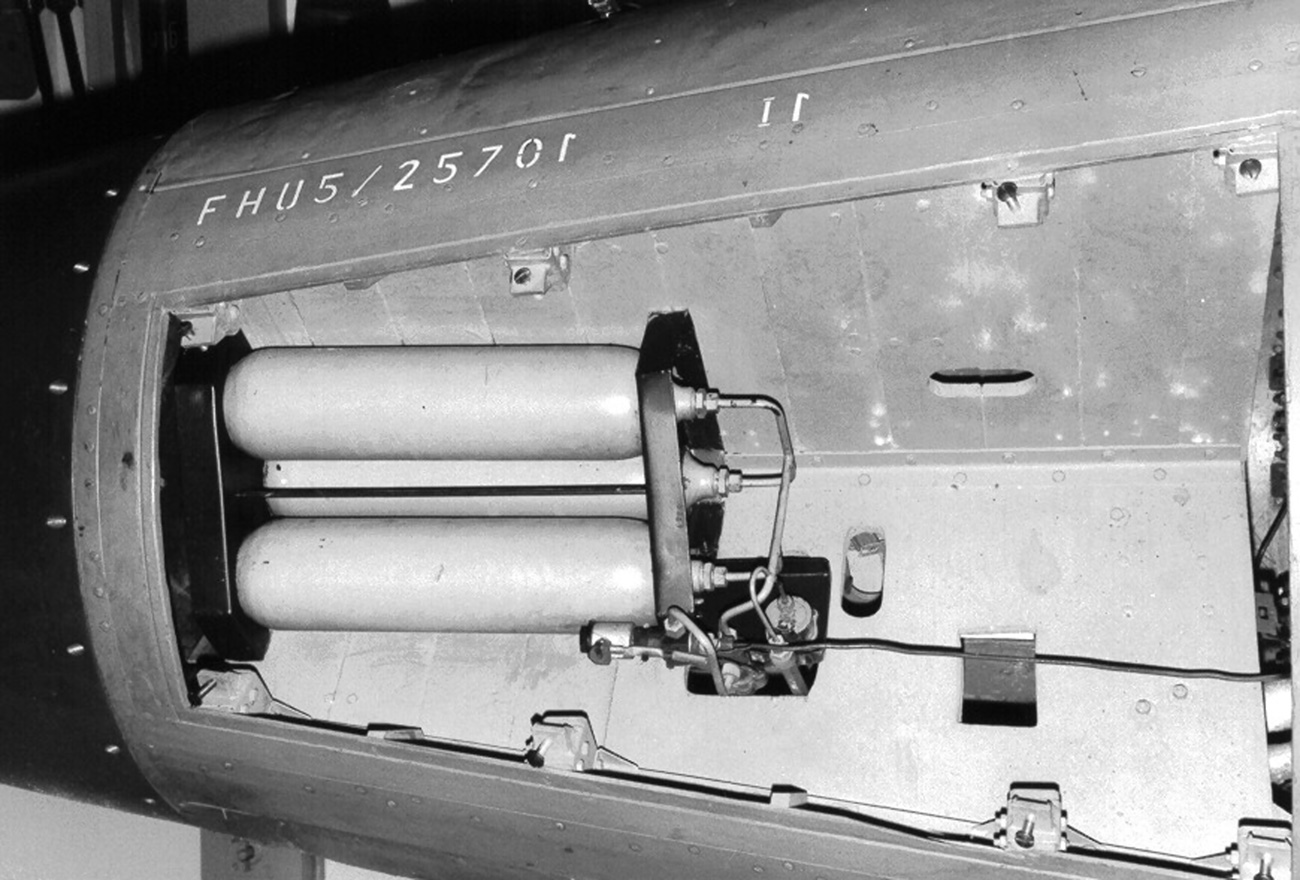
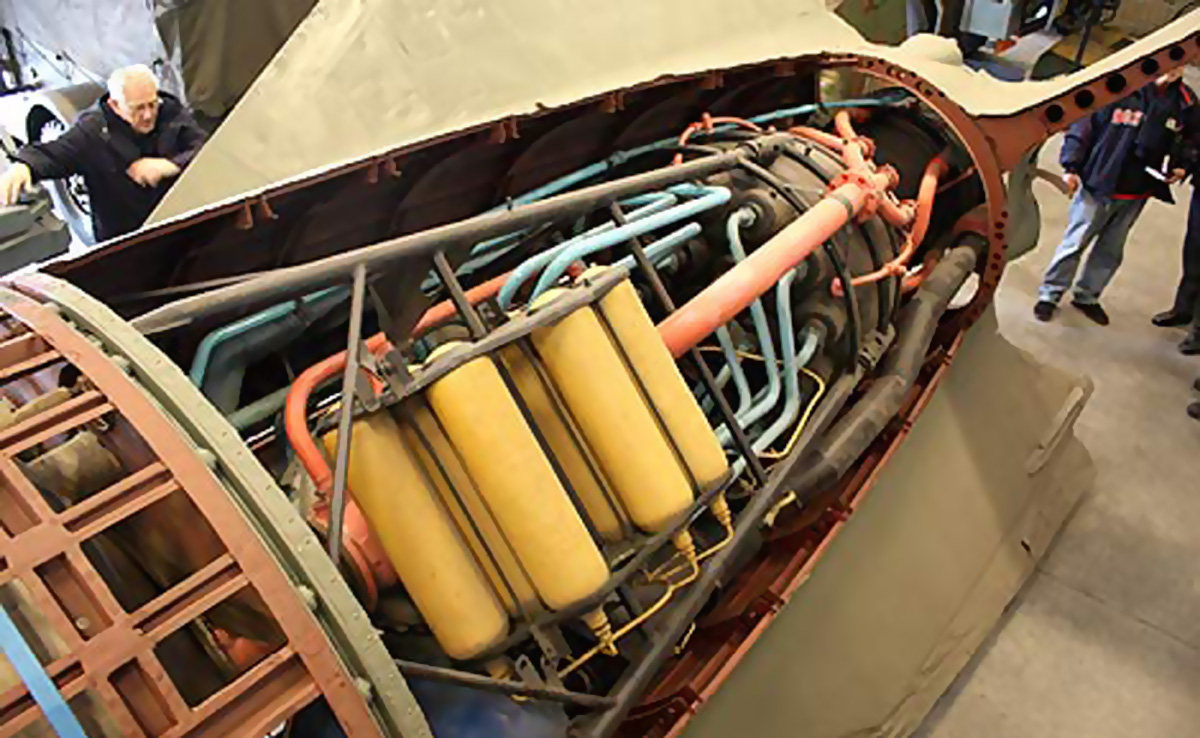
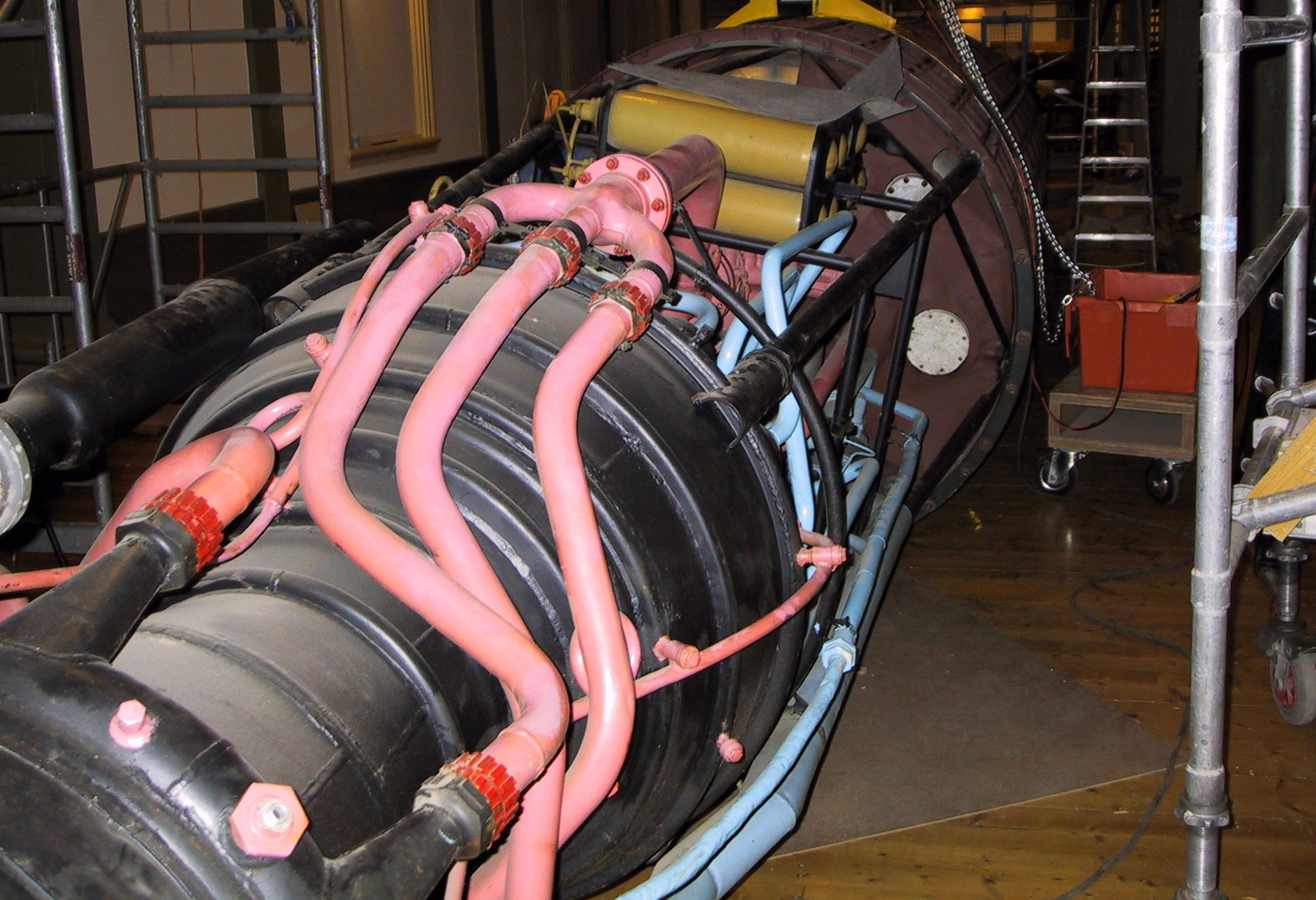
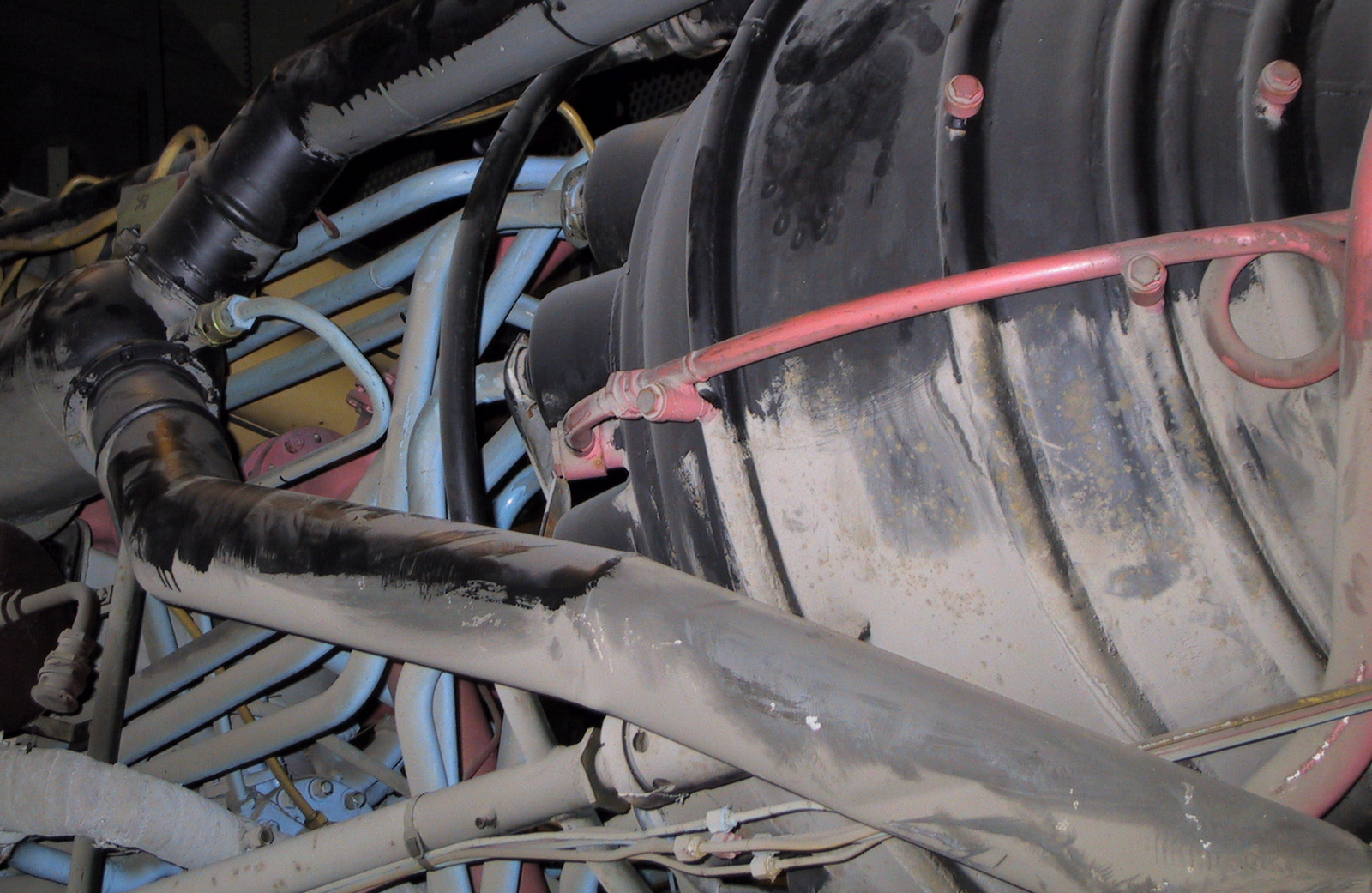
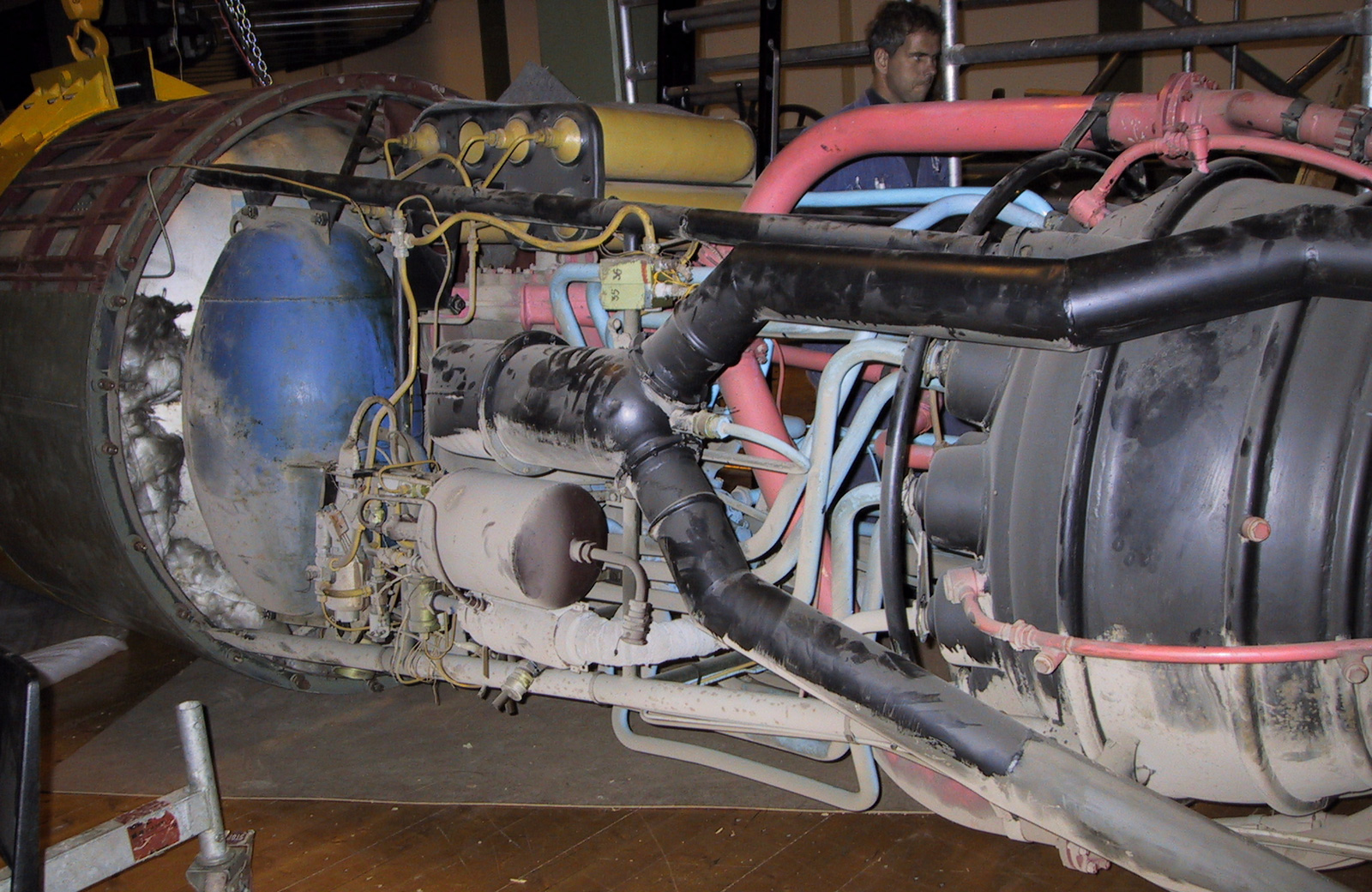
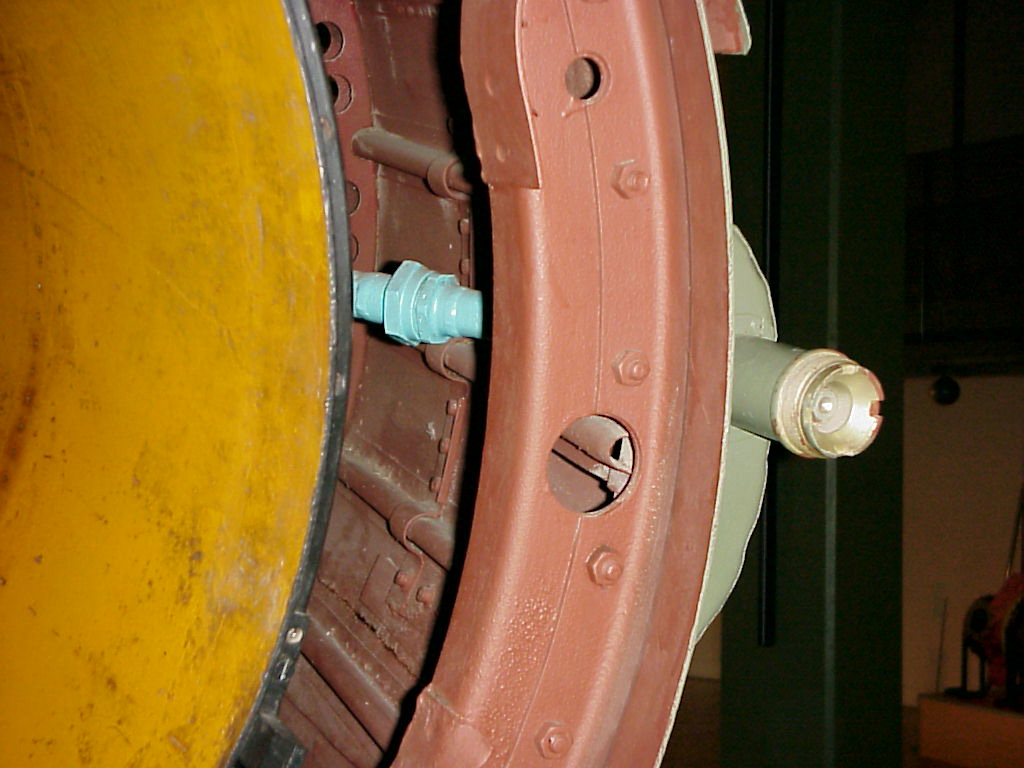
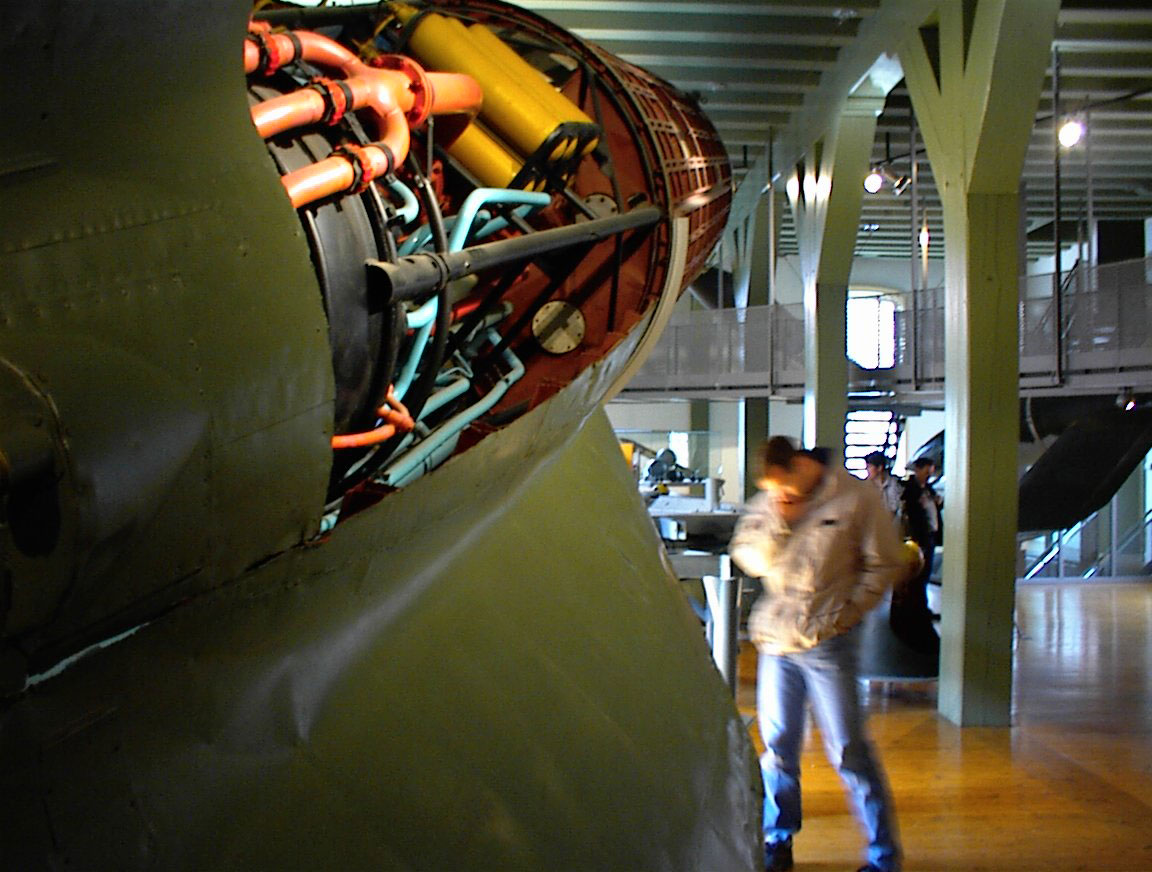
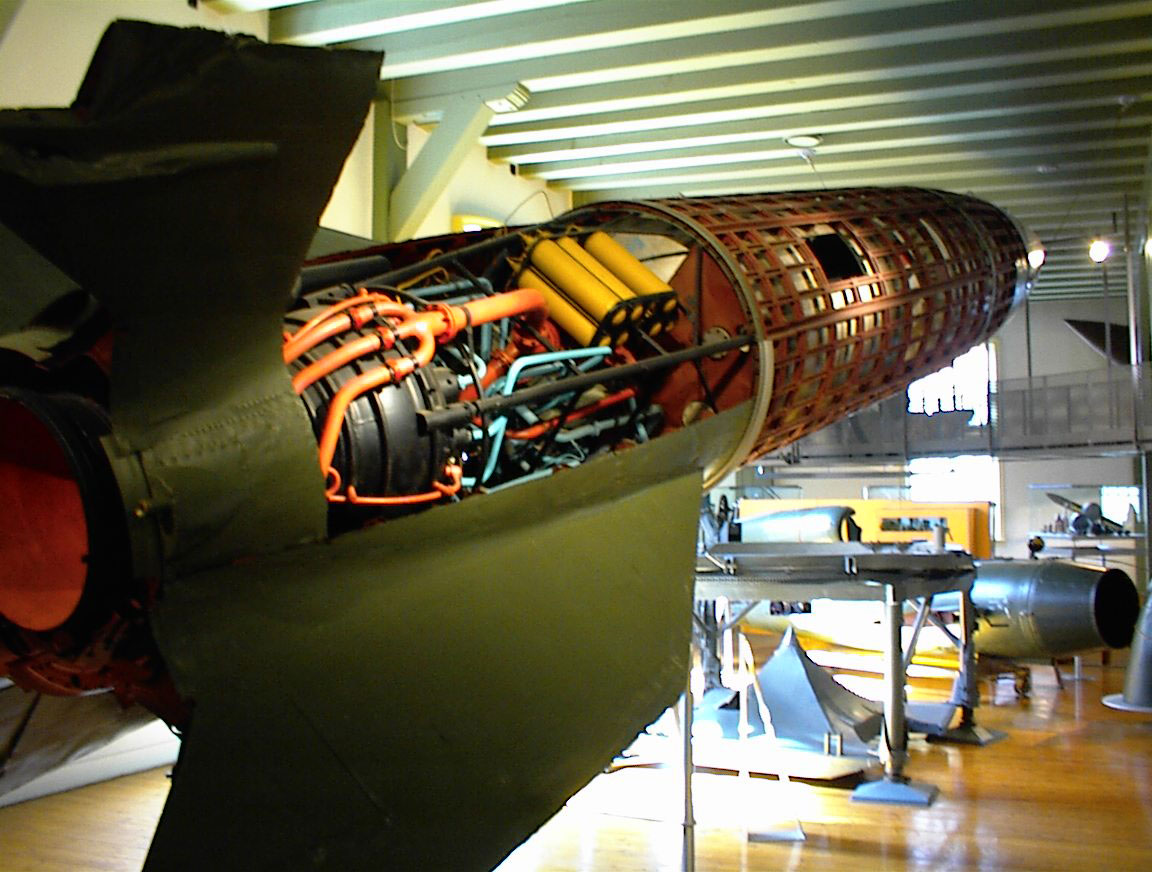
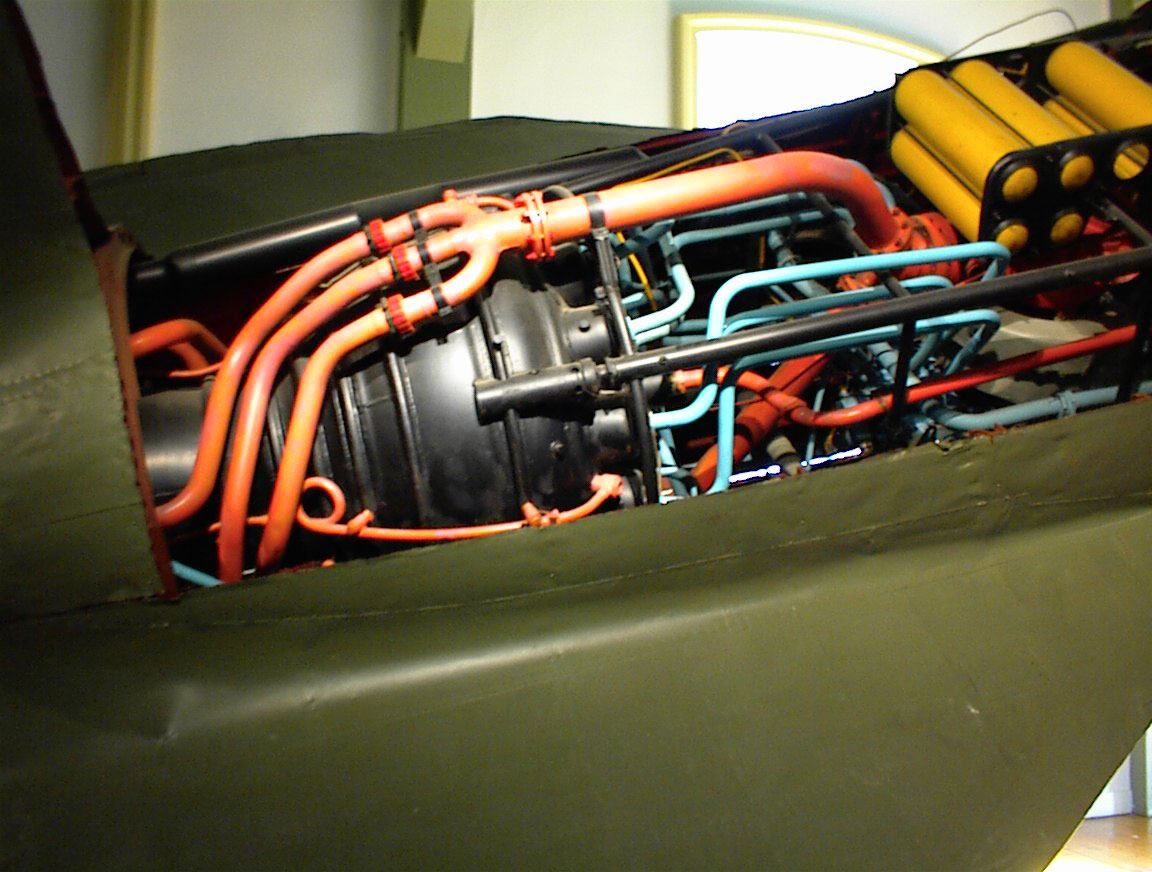
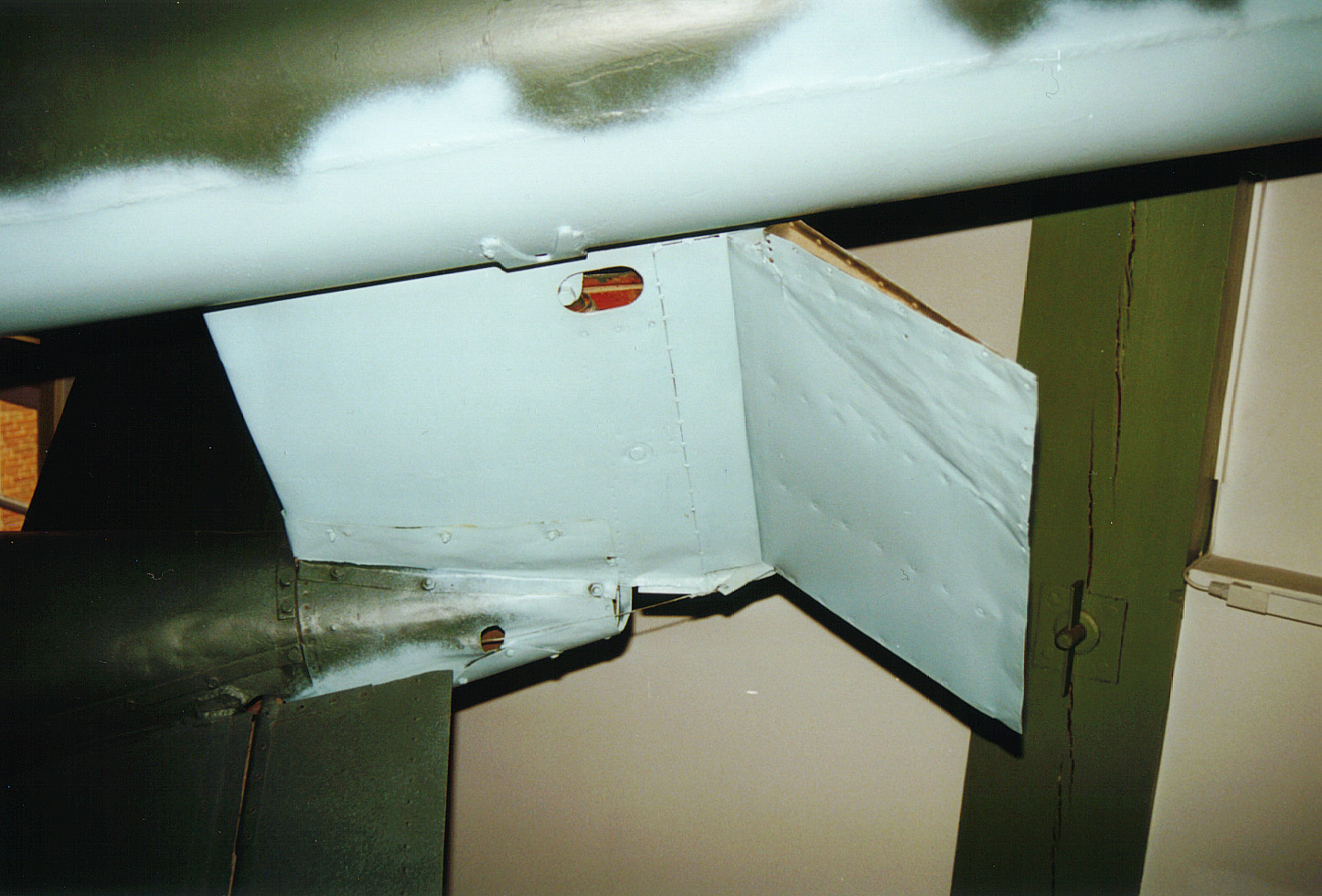
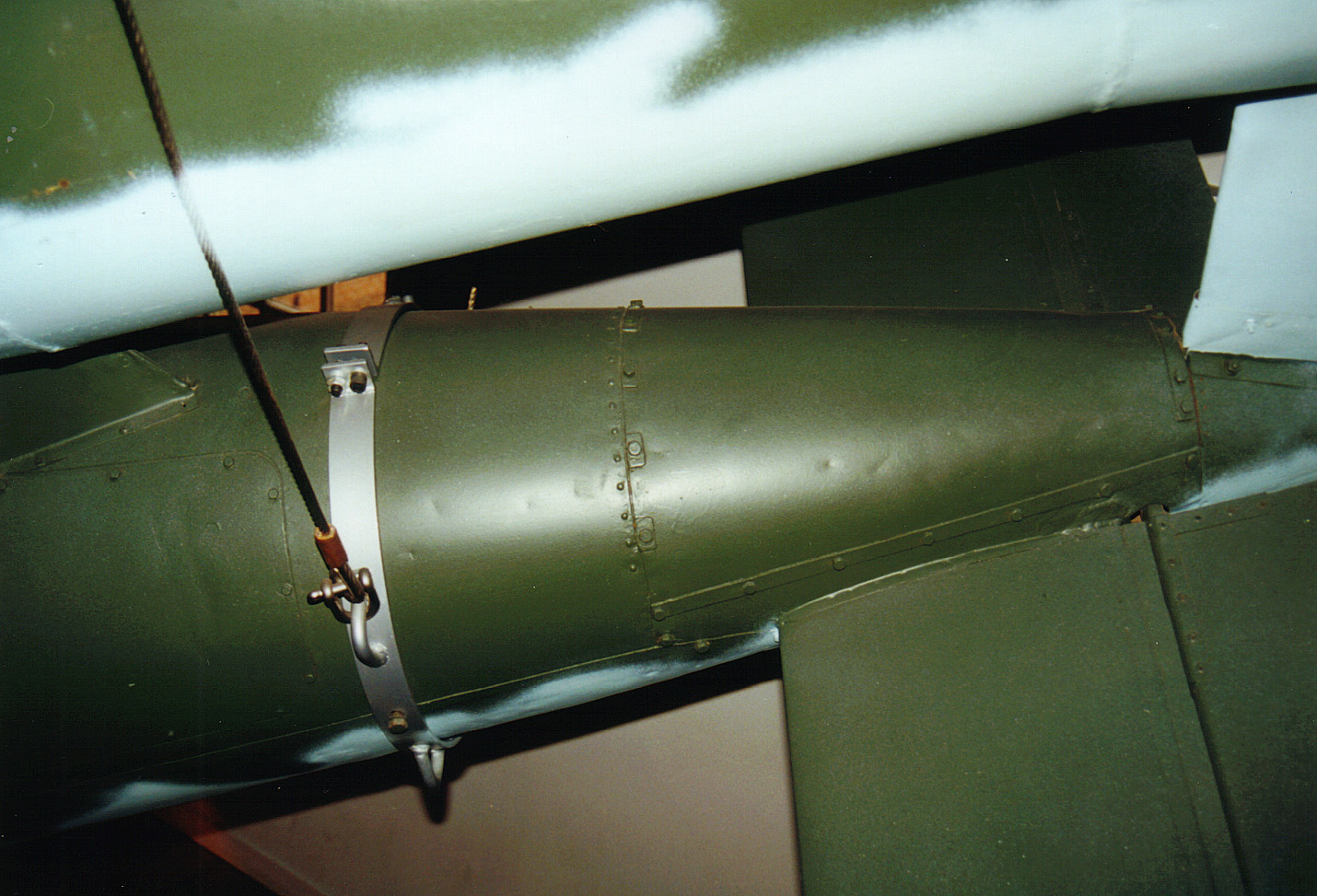
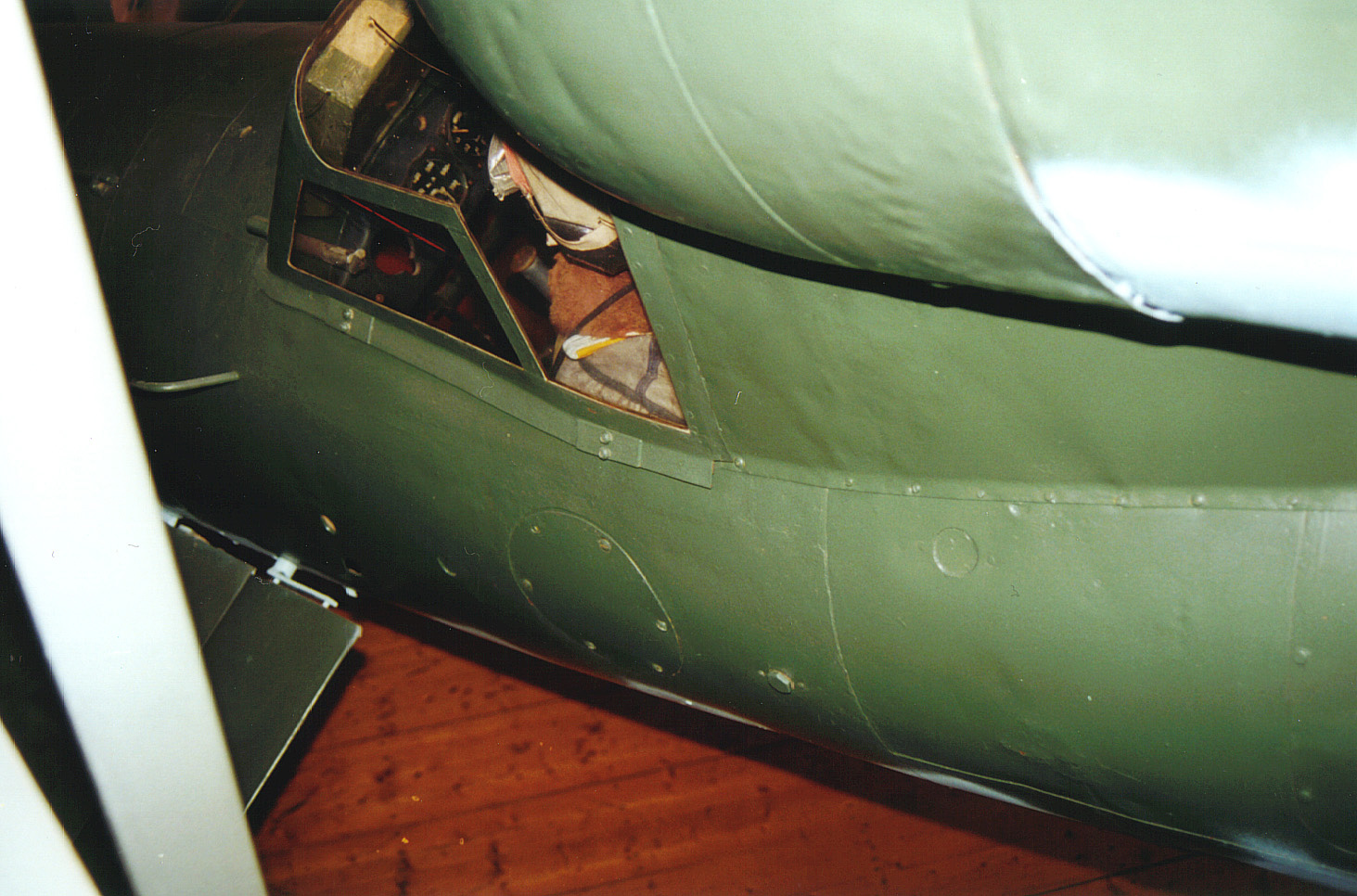
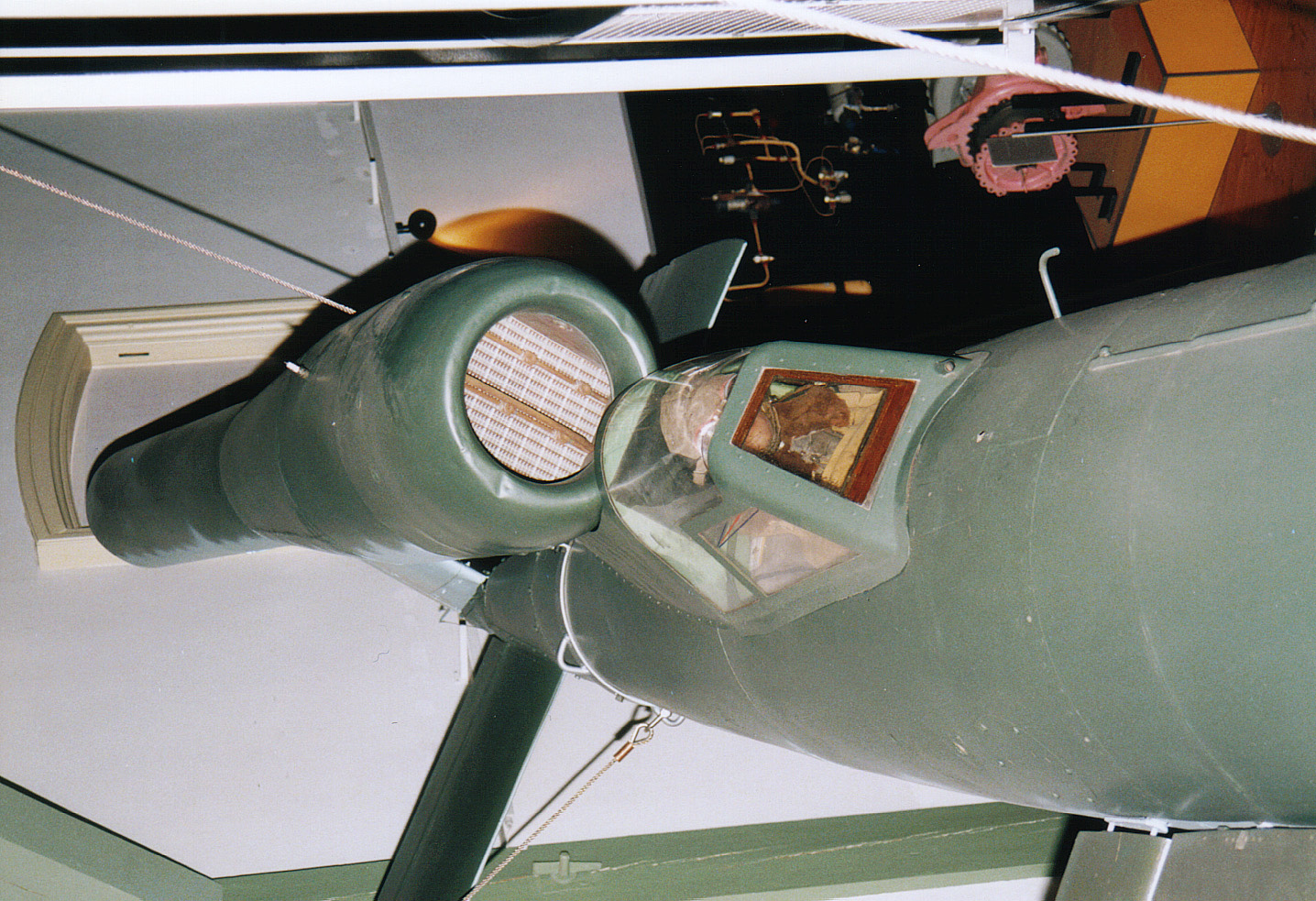
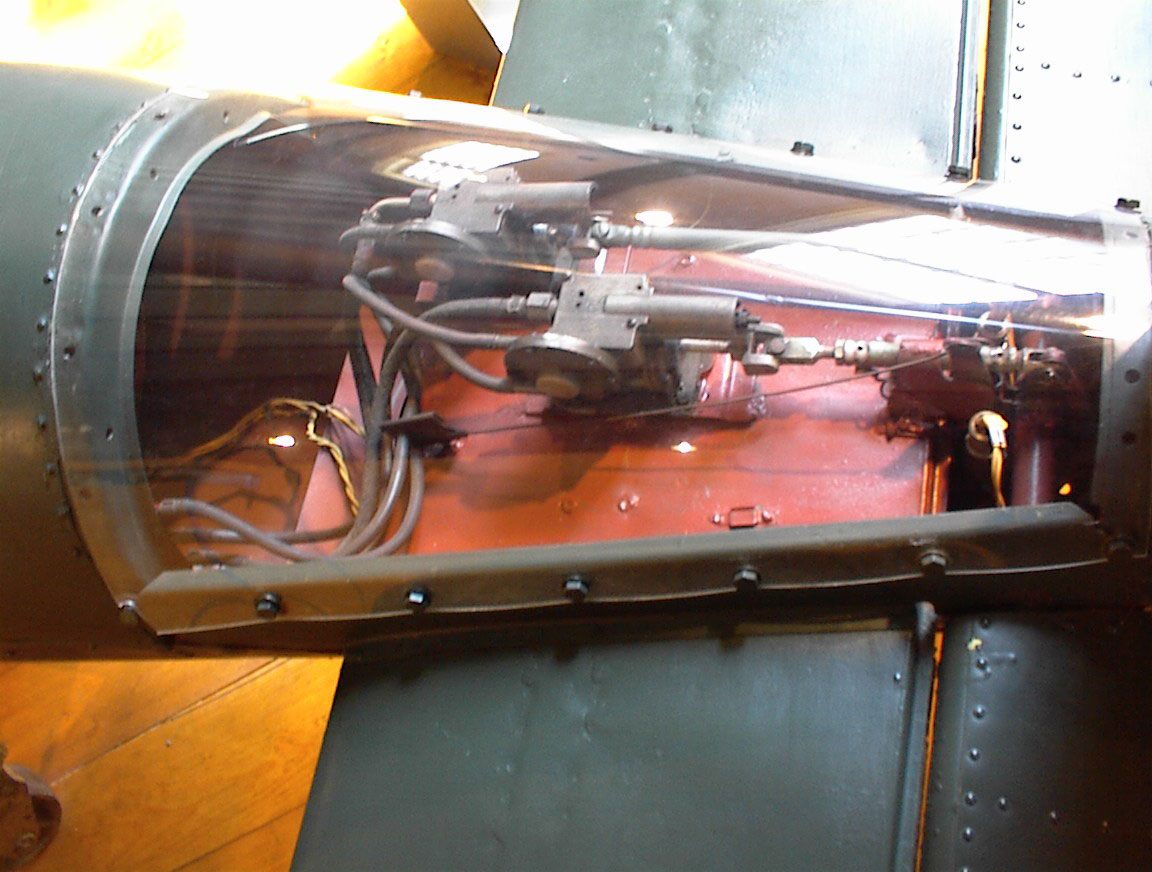
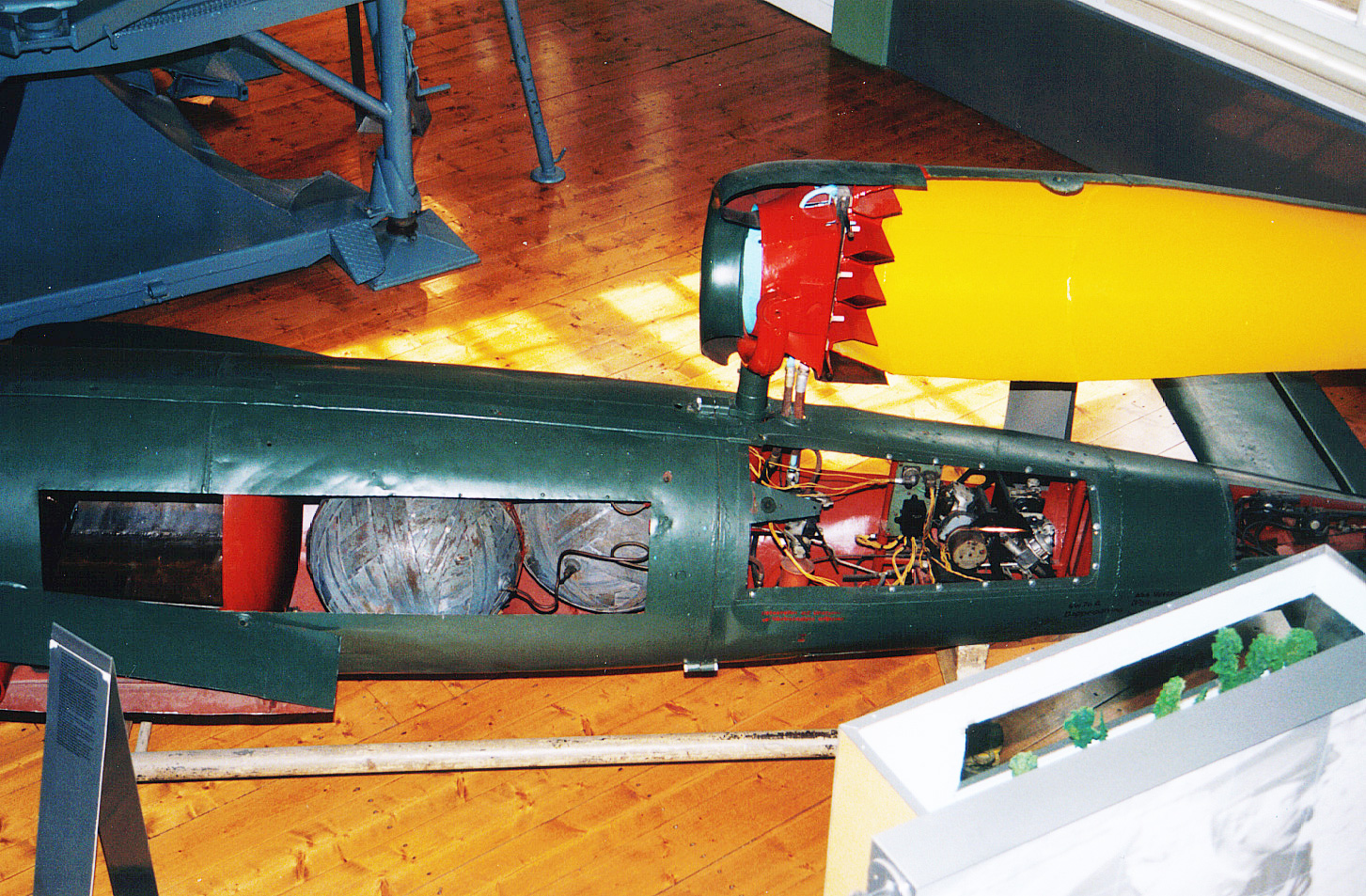
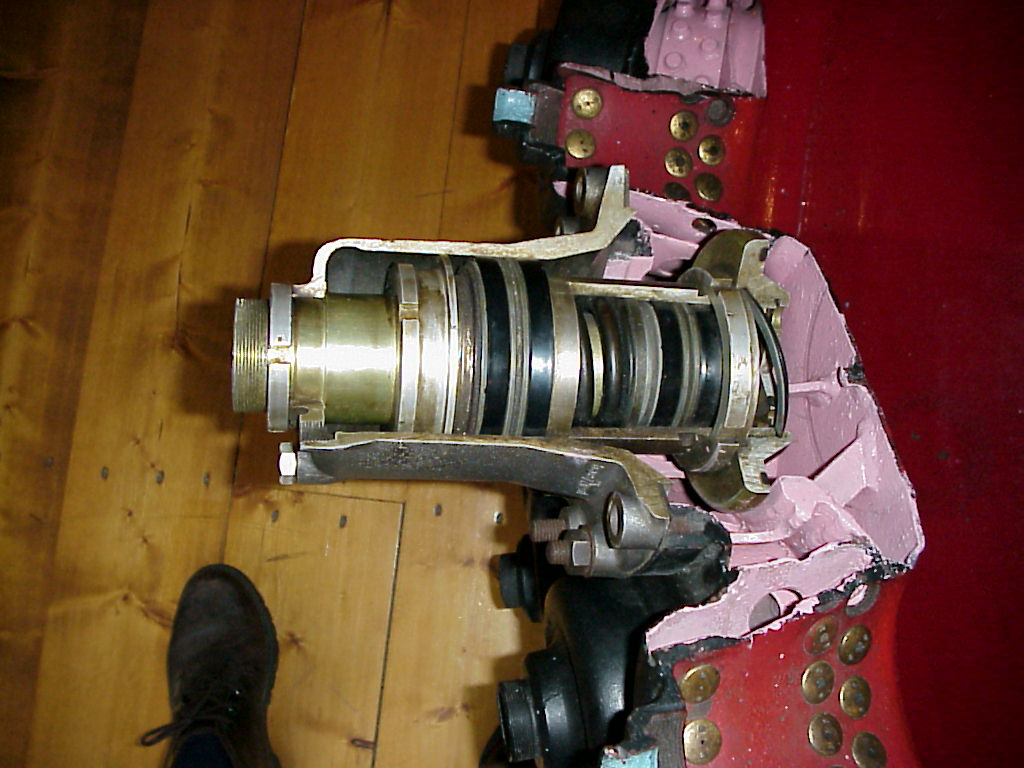
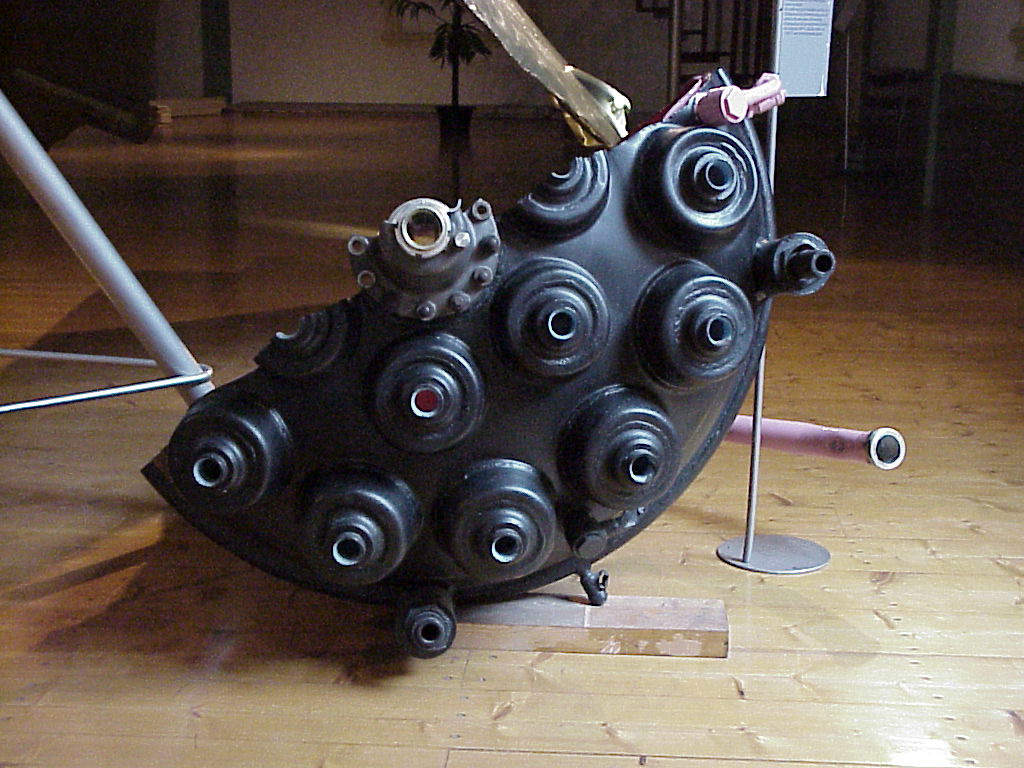
Photos below: 2000 Delft, Cutaway V-1,
manned V-1 (Reichenberg),
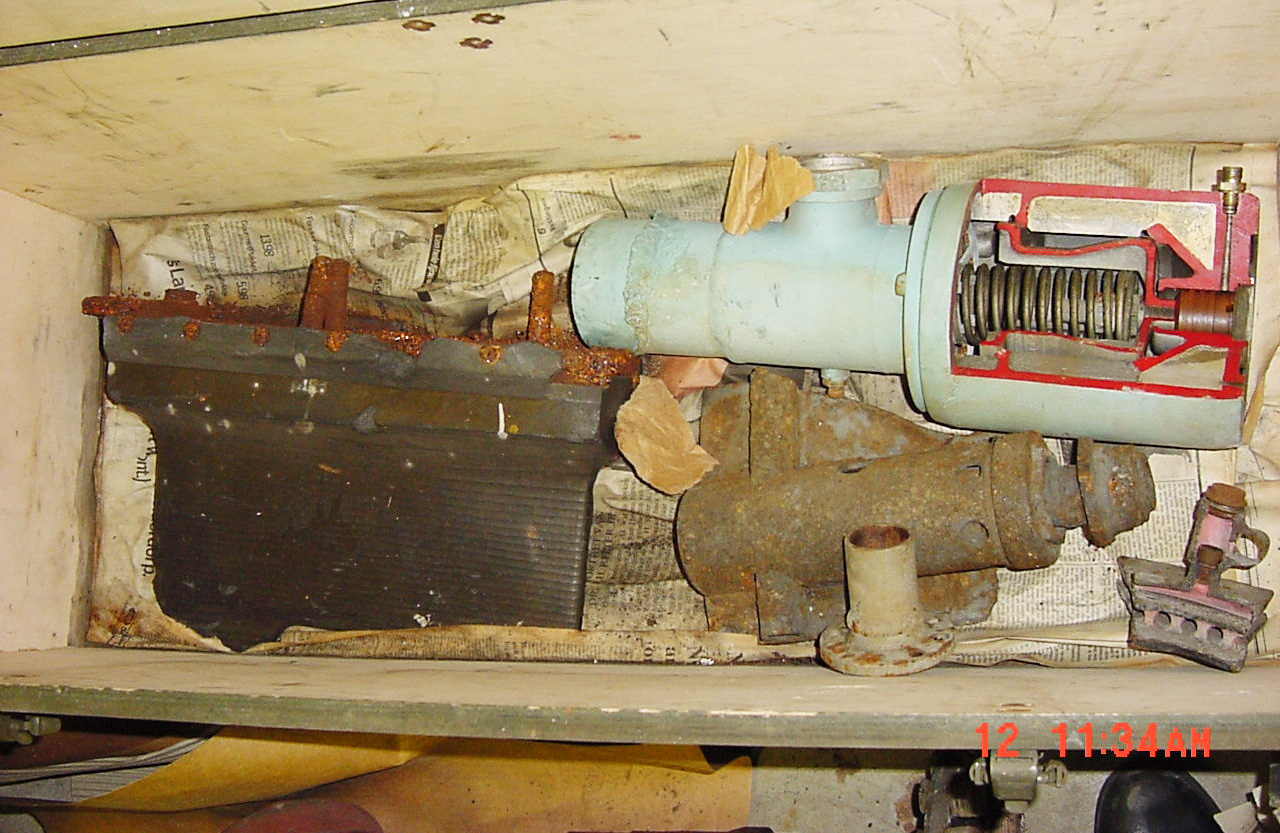
Cutaway V-2 engine
displayed; detail of various
V-2 engine
components such as the
turbo-pump (turbine), fuel
tank inlets, combustion
chamber, burner caps and
alcohol jets.