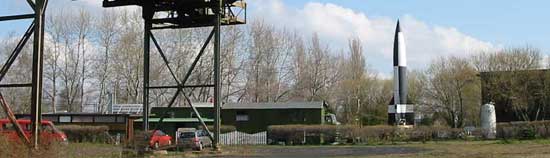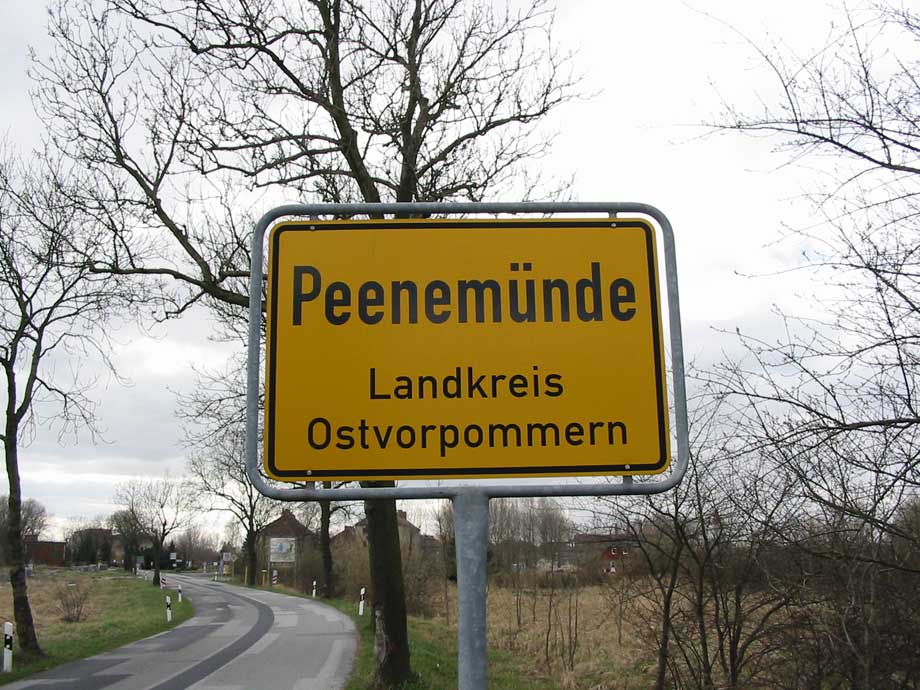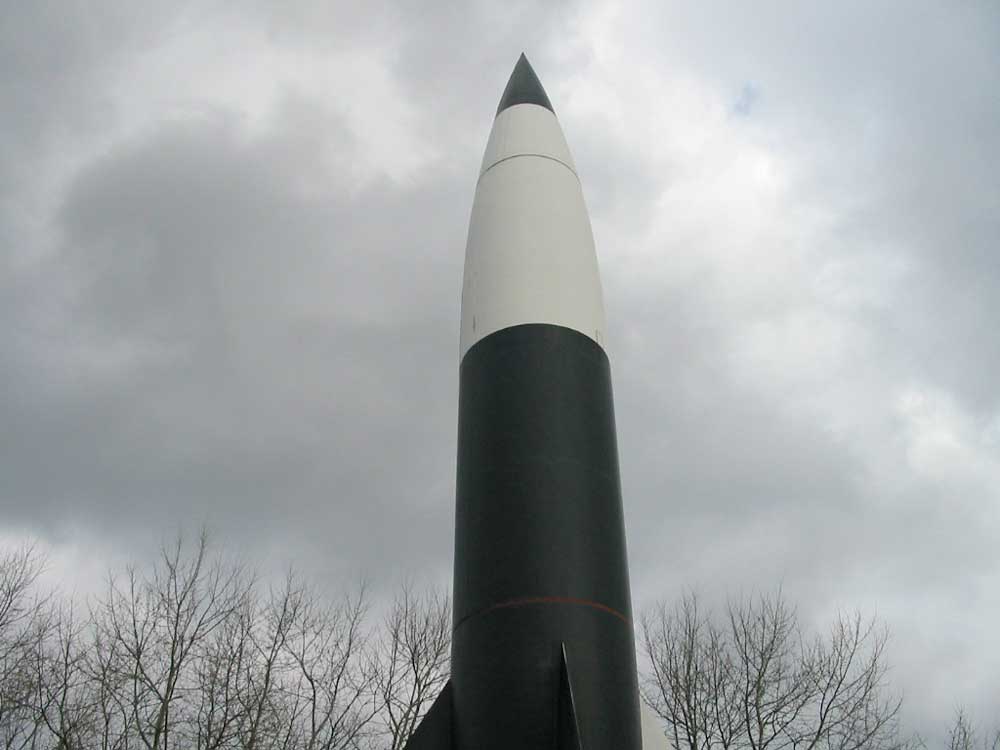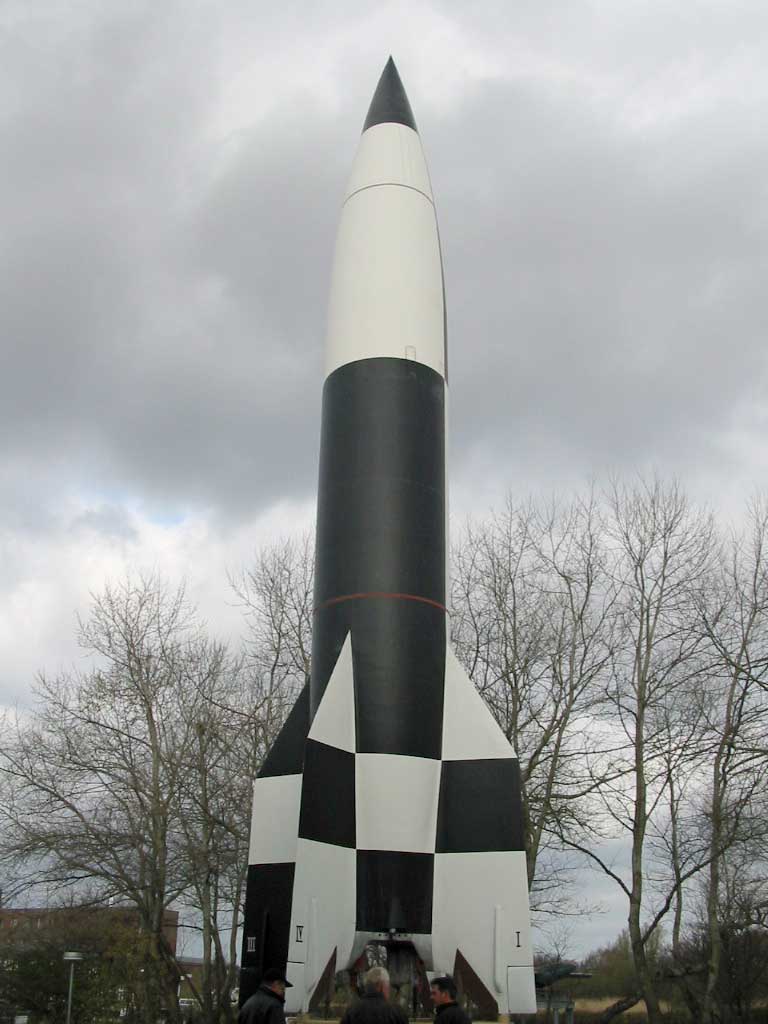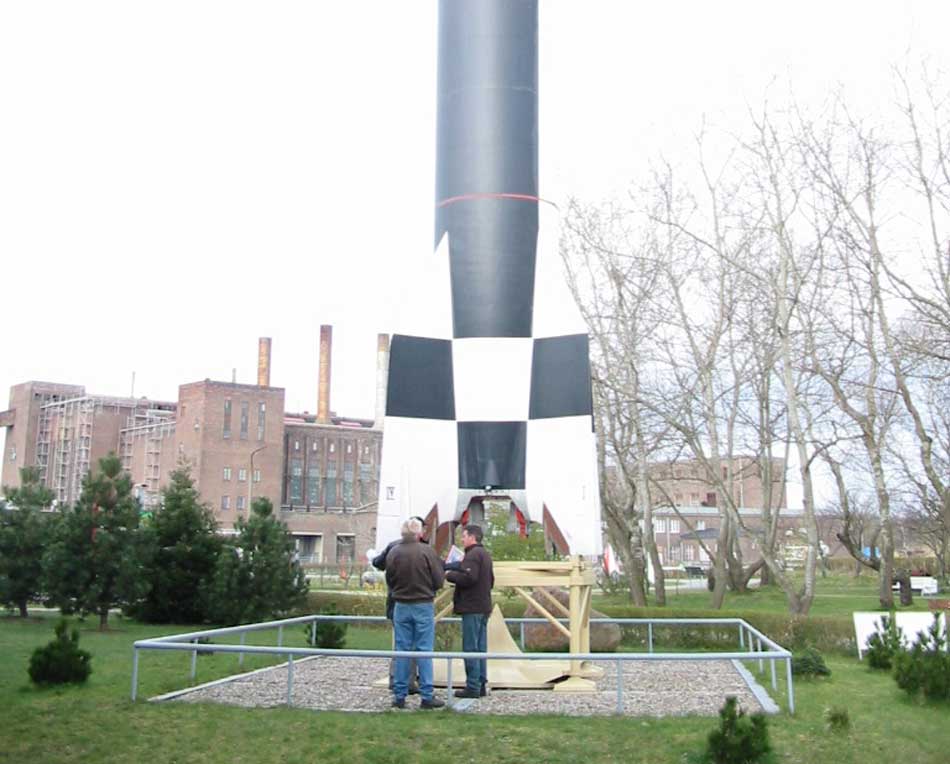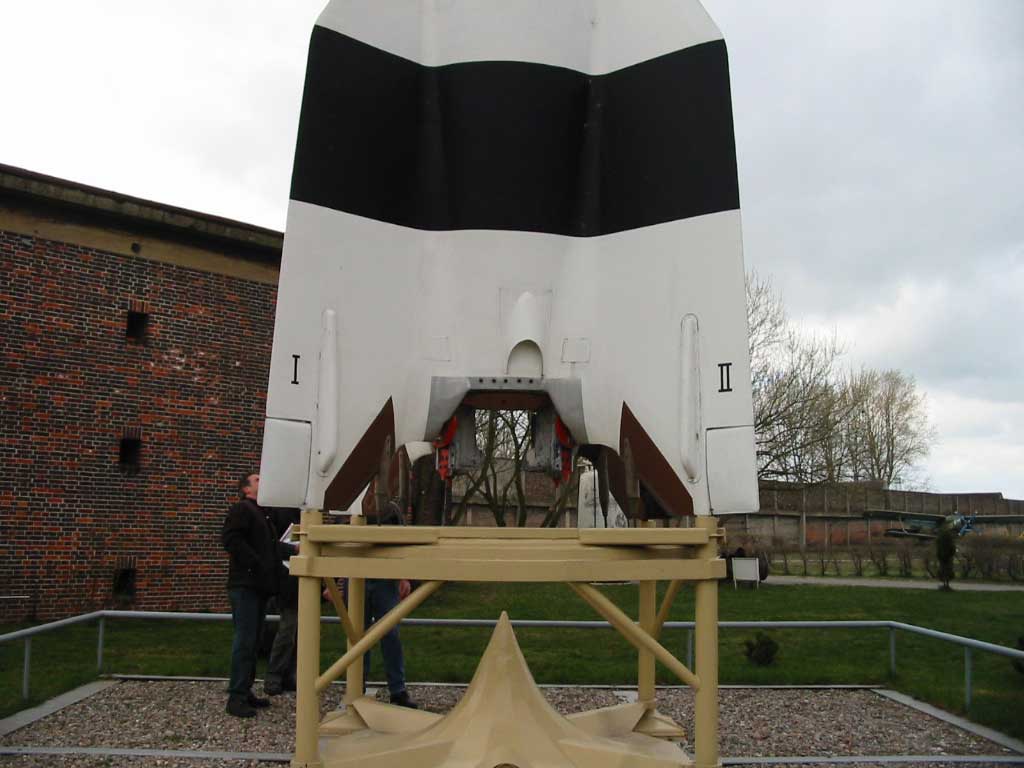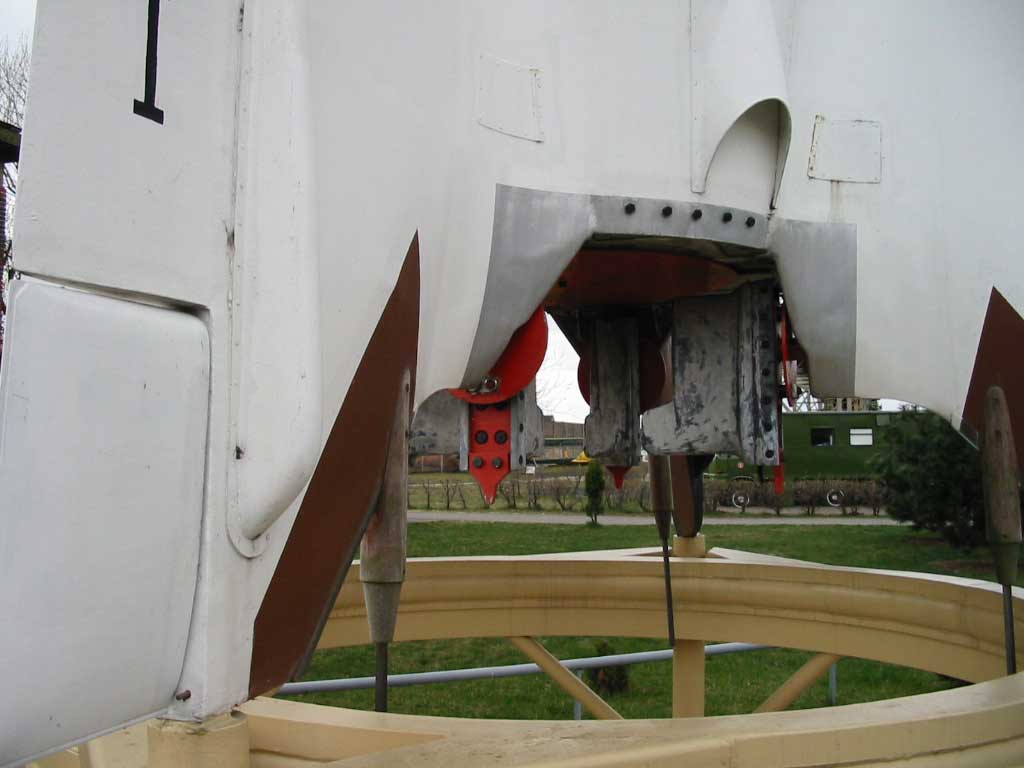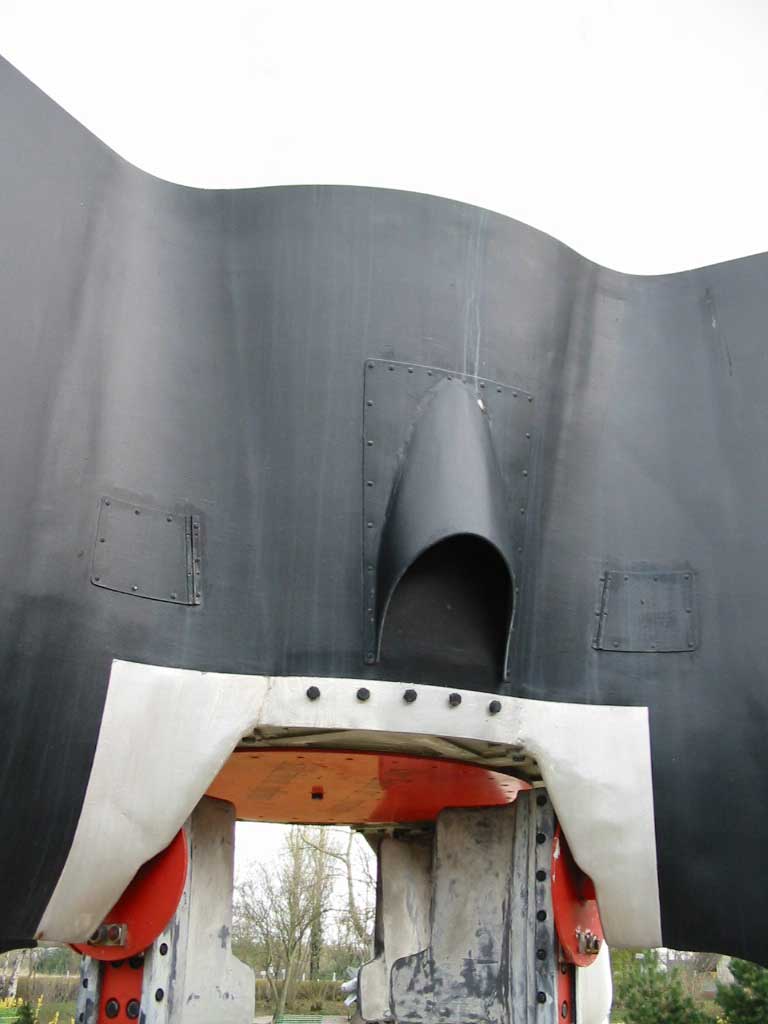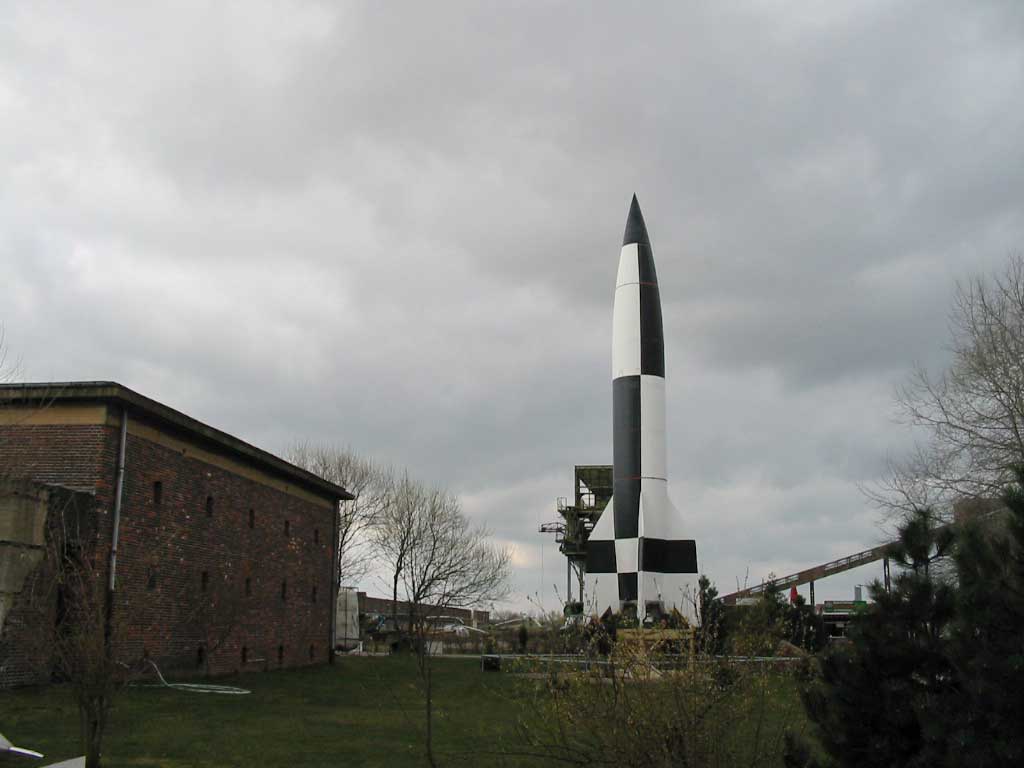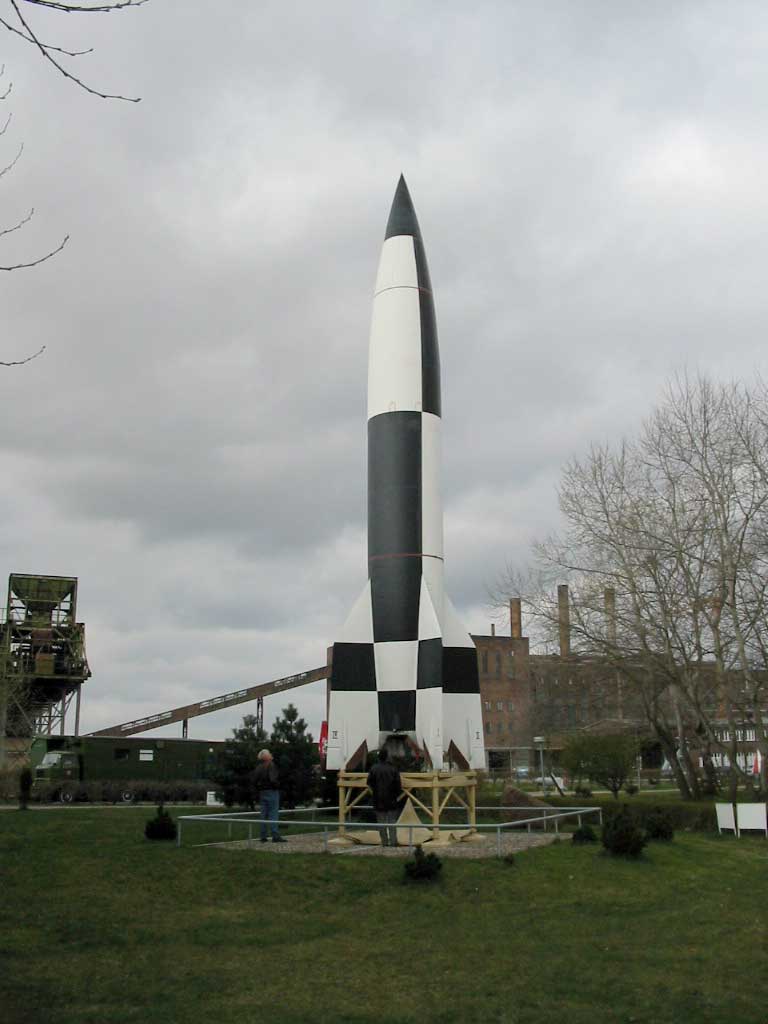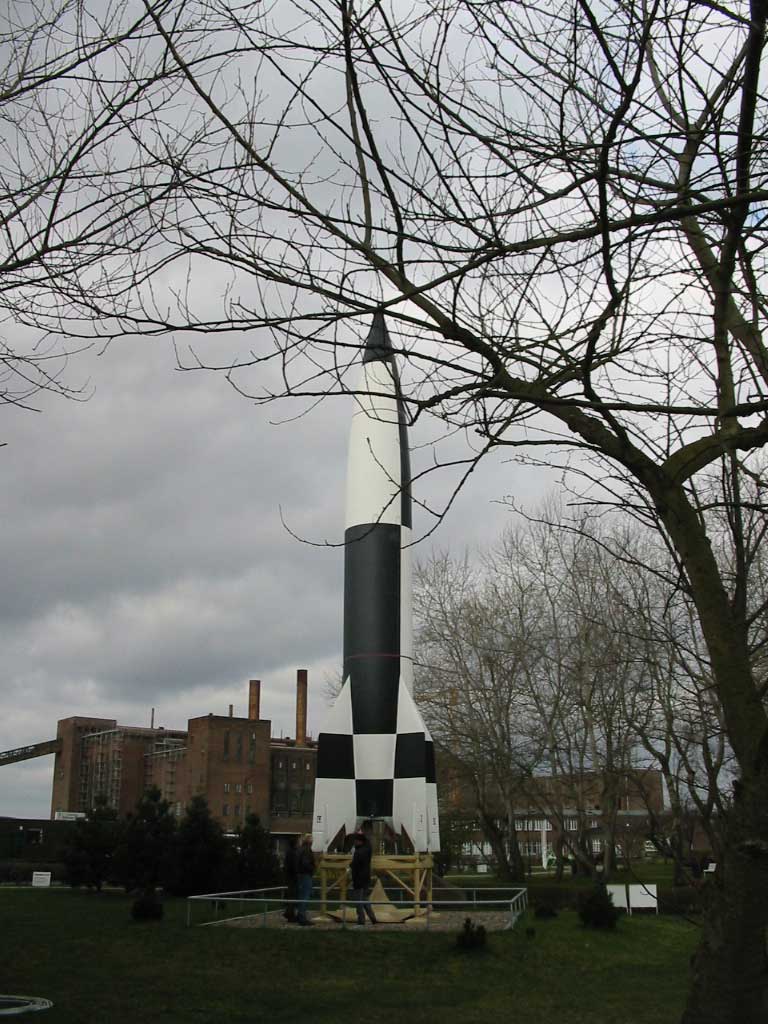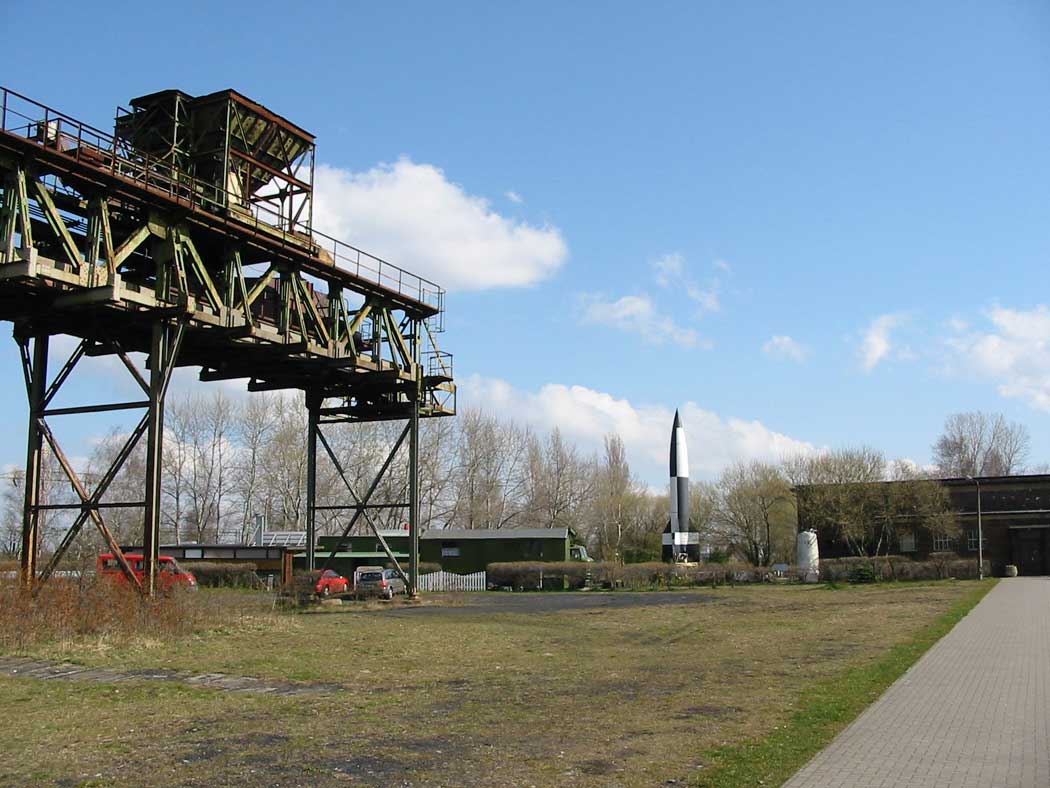
A-4/V-2 Replica, Historisch-Technisches Museum, Peenemünde, Germany
Special thanks: Reiner Sigmund, Ed Straten, Frank Leuband, and Thomas Köhler

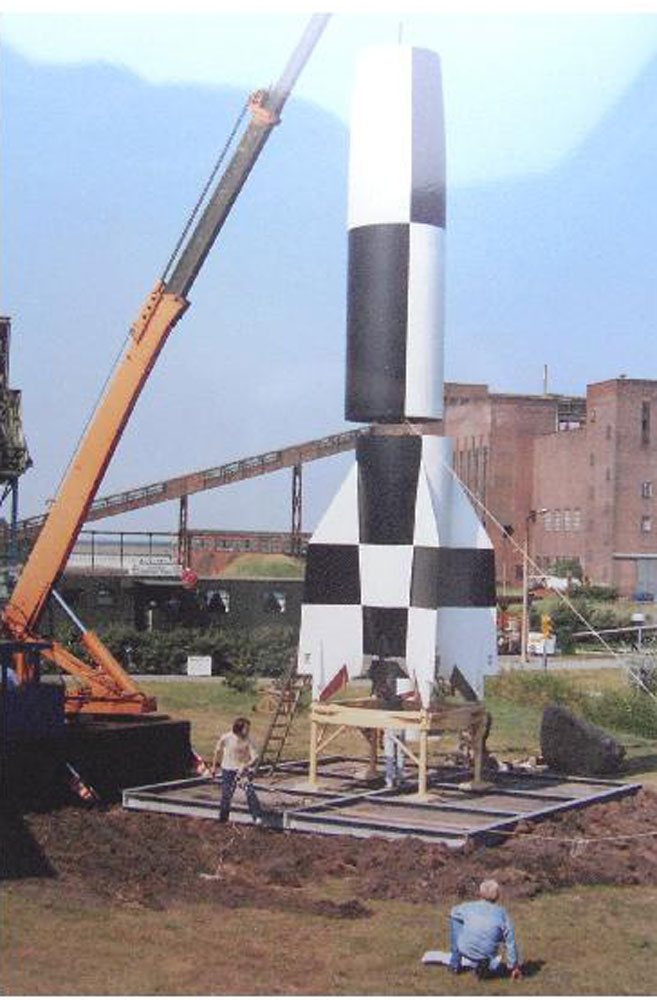
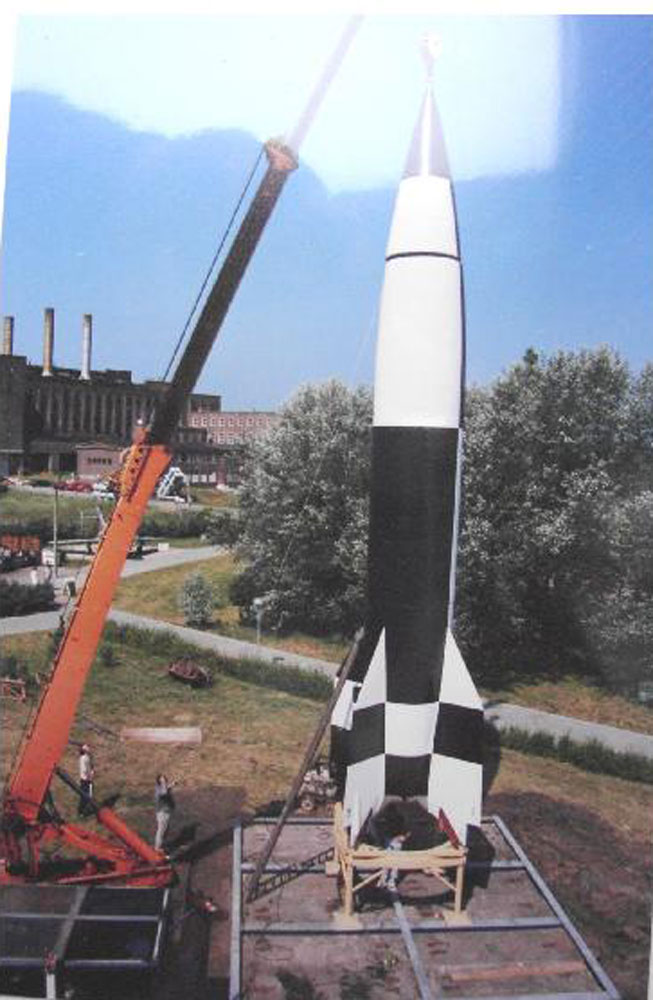
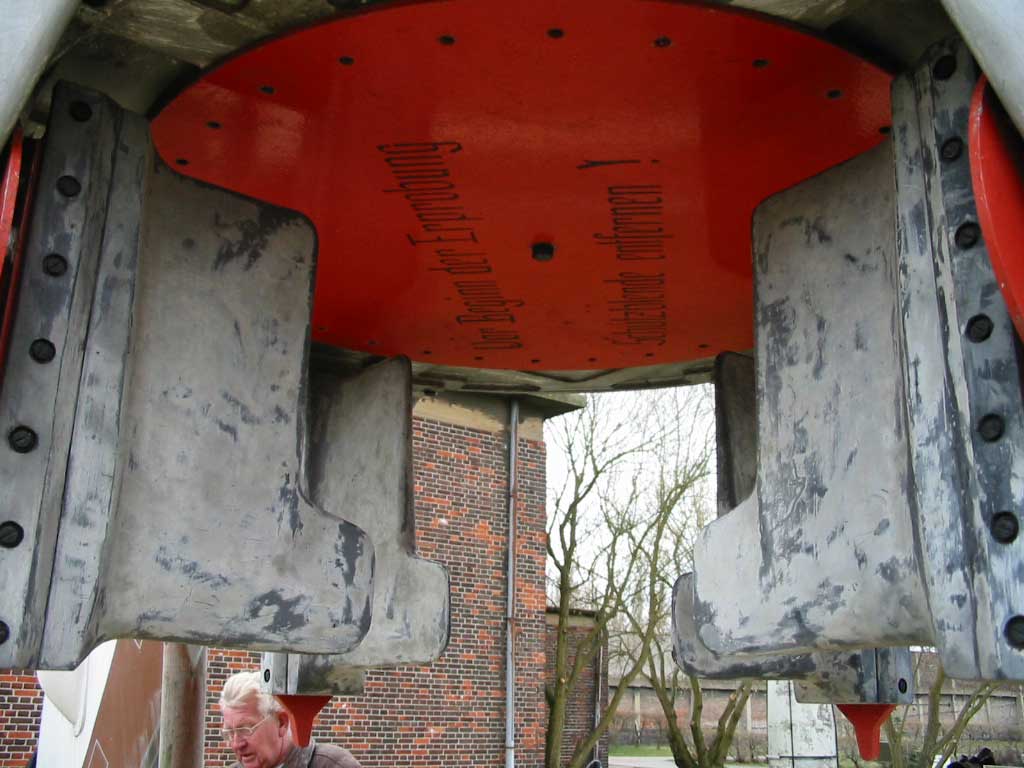
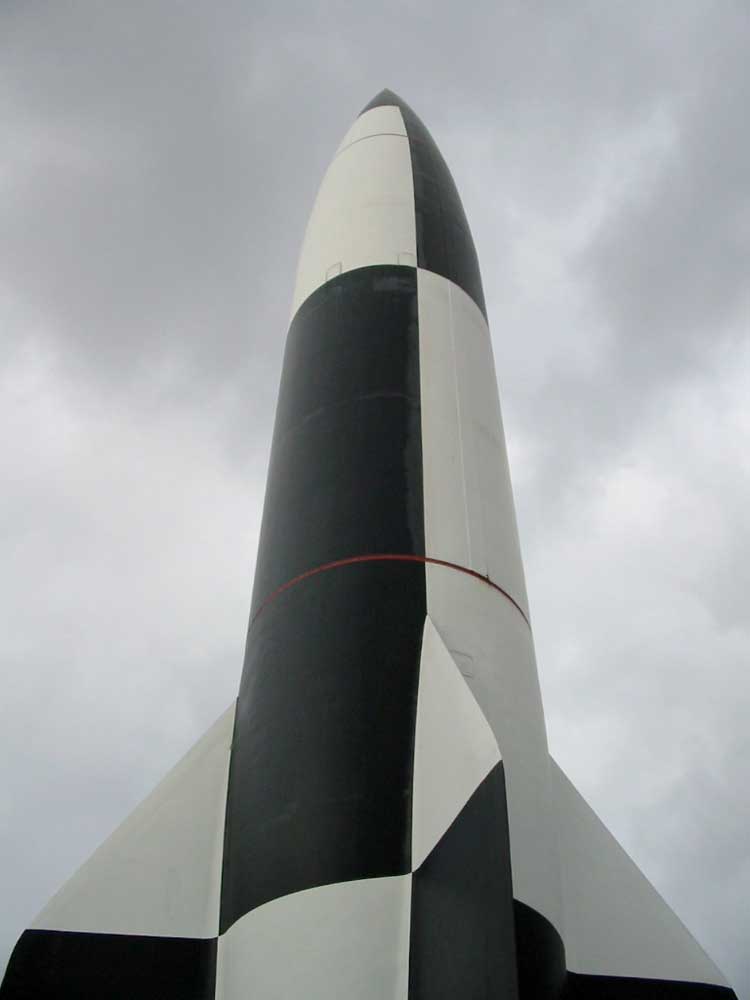
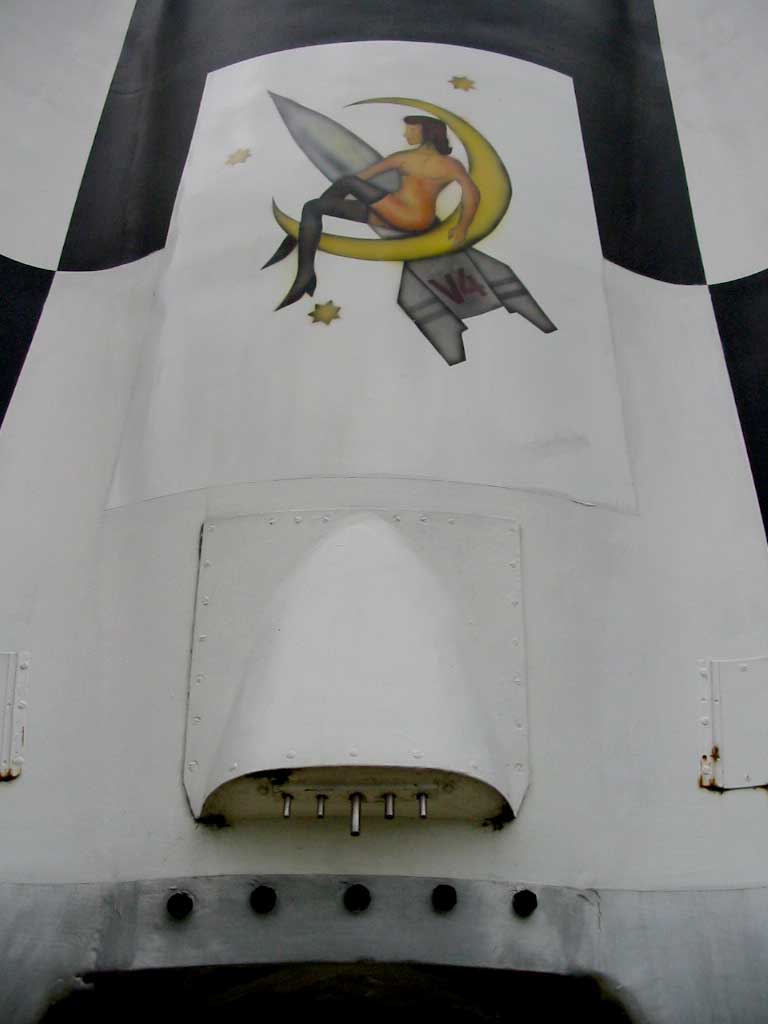
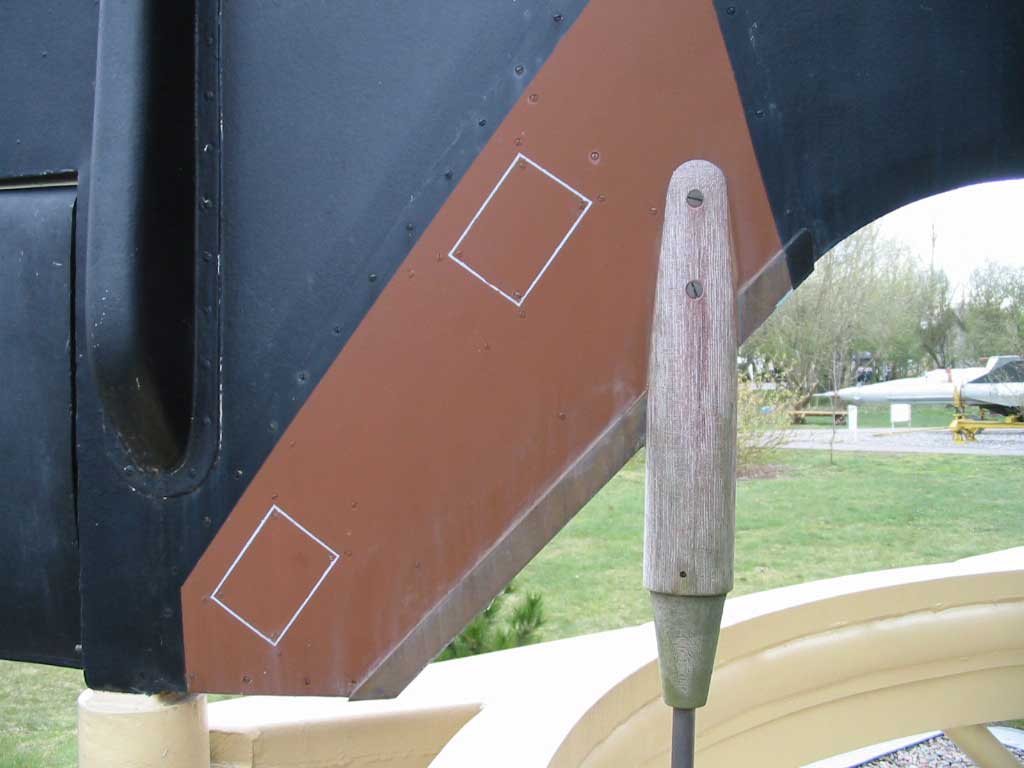
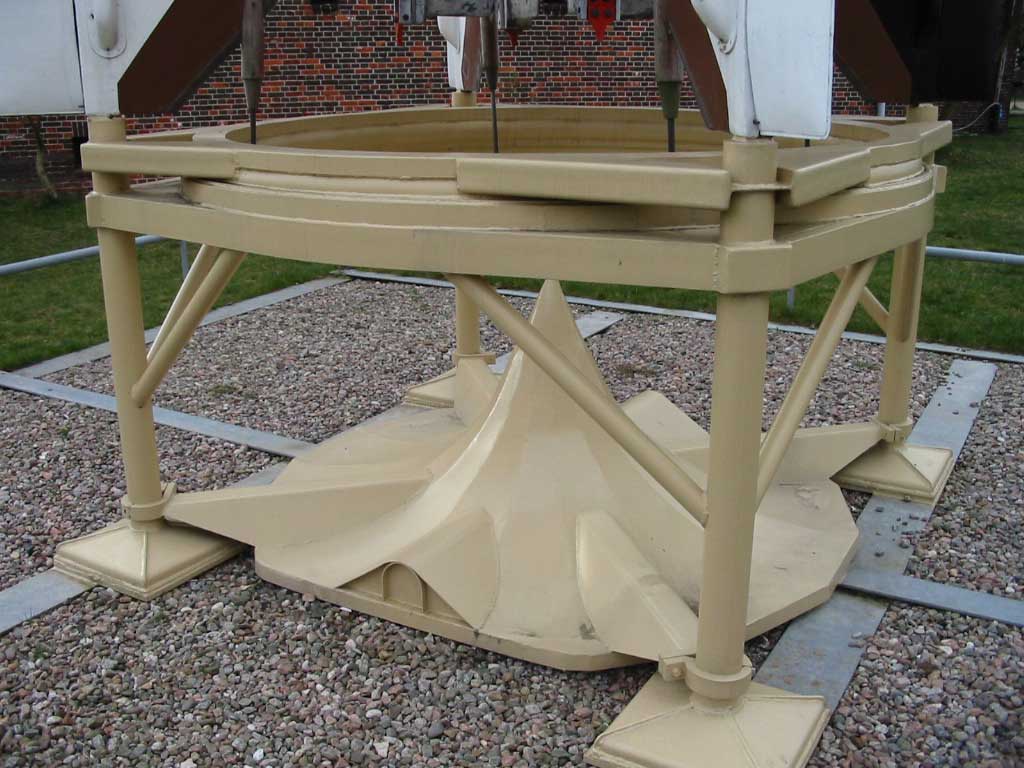
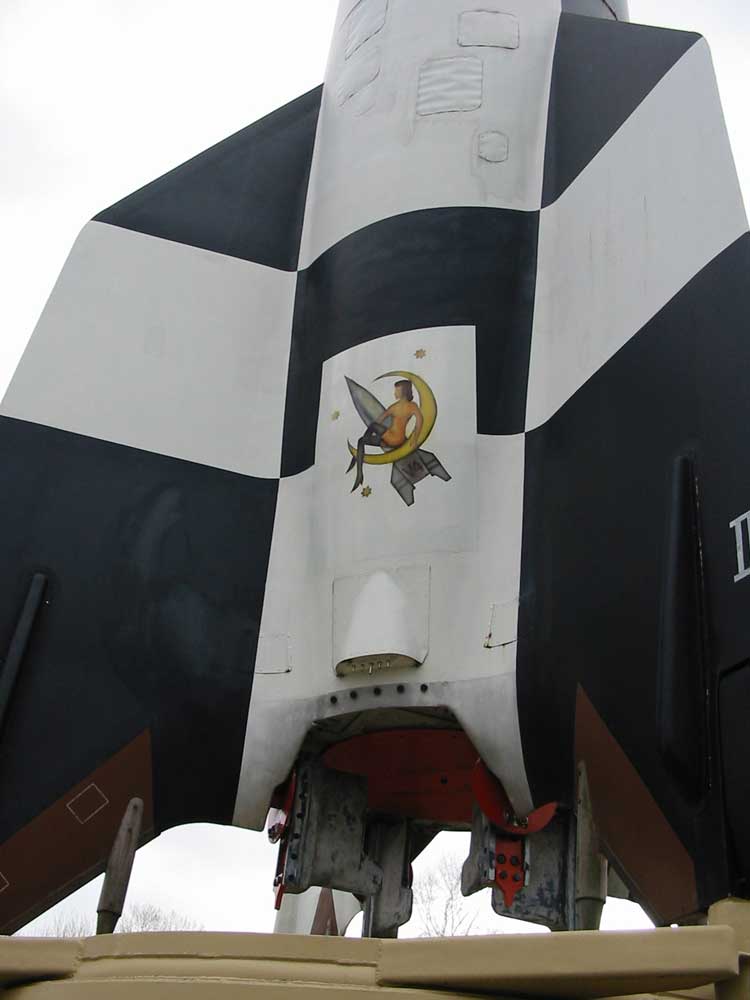
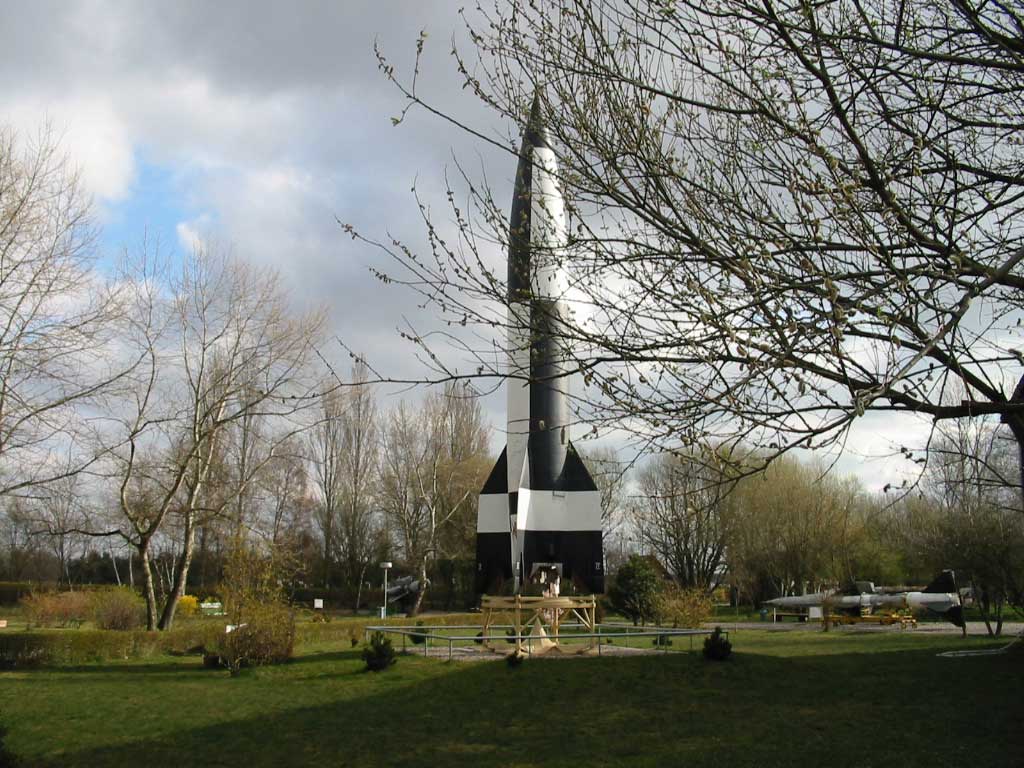
   This A-4/V-2 replica, 1:1 in scale, is located at the Peenemünde Museum in Germany. This replica replaced an earlier small-scale replica that was displayed in the early 1990s. Construction of the replica commenced in 1995 on an initiative of the Förderverein Peenemünde and was financed with donated funds. This model is painted to resemble the first successful V-2 that was launched on October 3, 1942.


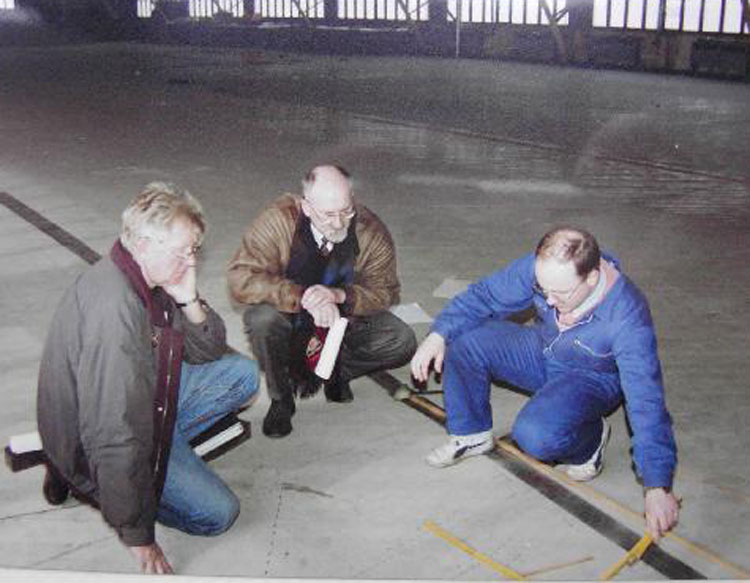
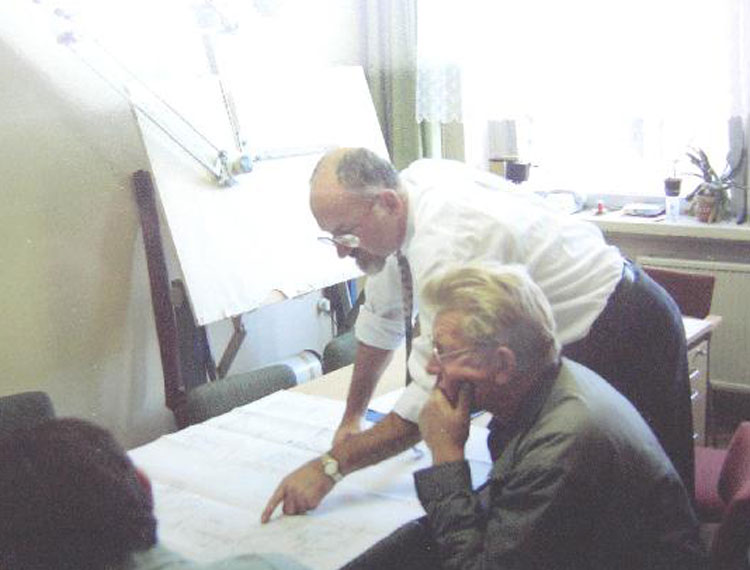
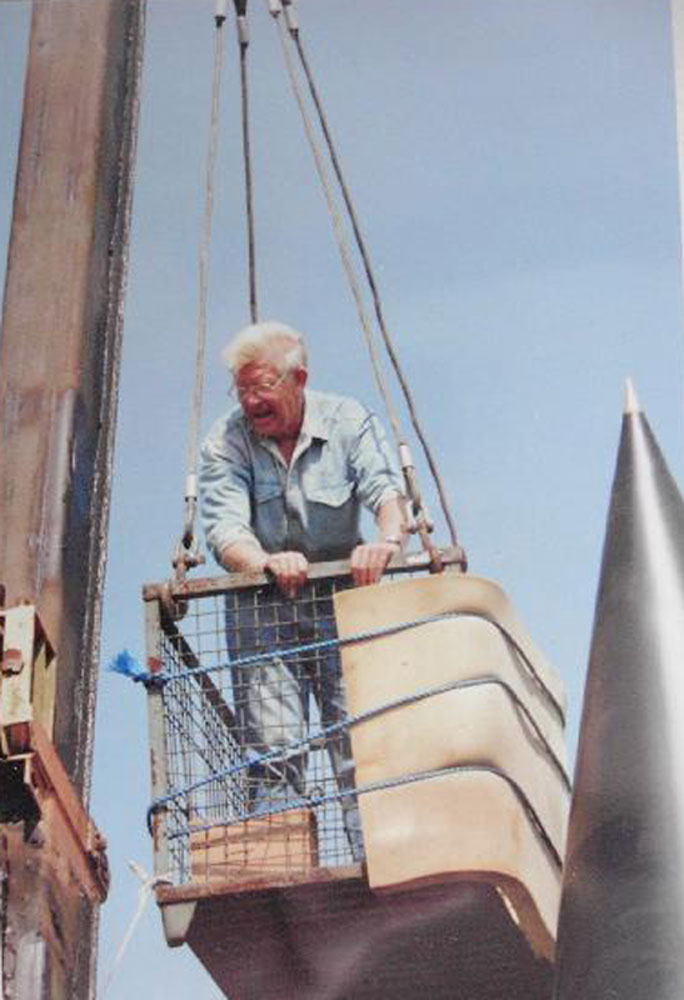
   The story of the V-2 replica on the museum grounds cannot be told without remembering Reinhold Krüger. Born in 1930, Krüger began his apprenticeship as a turner in metal construction at Peenemünde North in 1944, in the final days of the rocket program. After the war, he remained deeply connected to the history of the site. When the Peenemünde peninsula was opened to the public in 1990, Krüger—by then one of the founding members of the Historical Association—set out to recover forgotten remains from the ruins. His sharp memory of the wartime facilities led to remarkable discoveries, including the salvage of an A-4 tail unit in 1990.

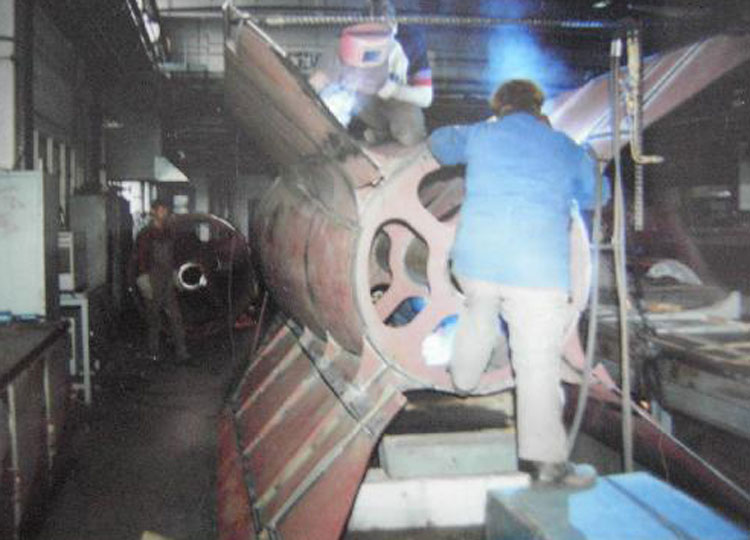
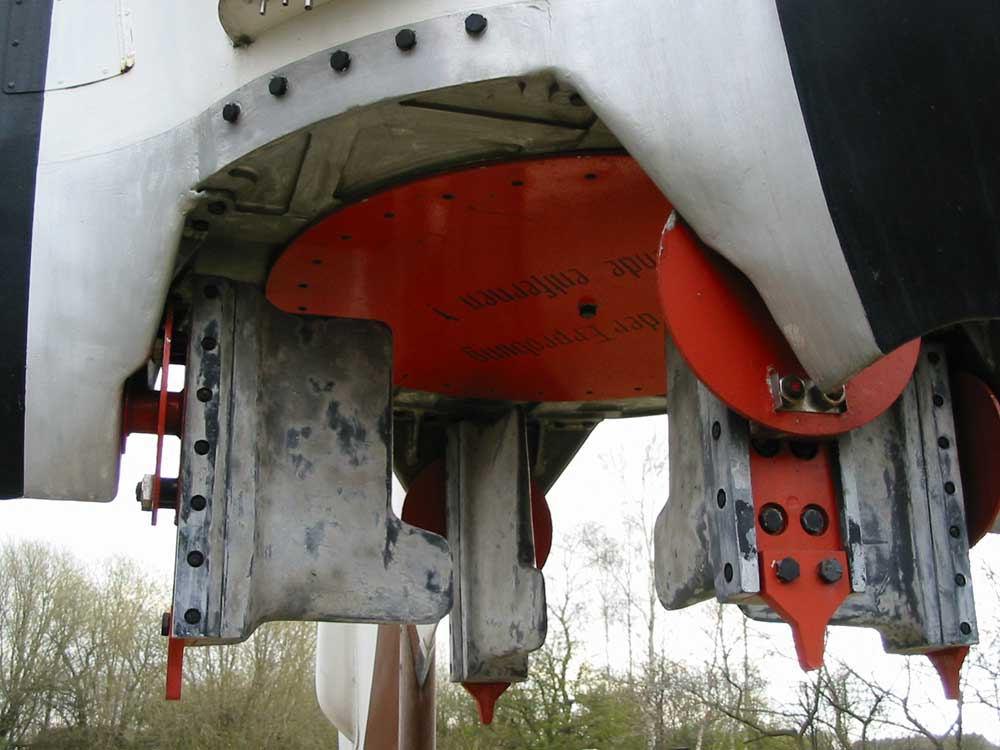
   Krüger’s dedication to preserving evidence of the past helped lay the foundation for the museum itself, and in 1995, he was the driving force behind building the full-scale V-2 replica that still stands today. Painted to match the rocket launched successfully on October 3, 1942, the model incorporates several authentic parts, including warhead, blind tip, and heck ring.

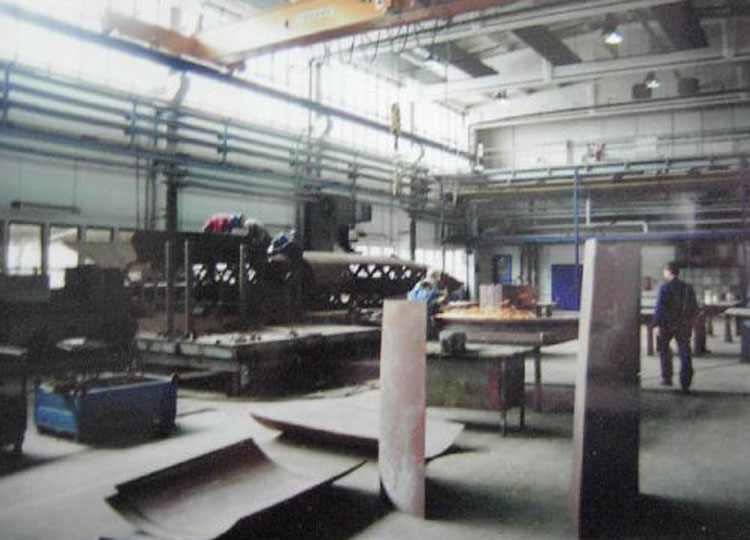
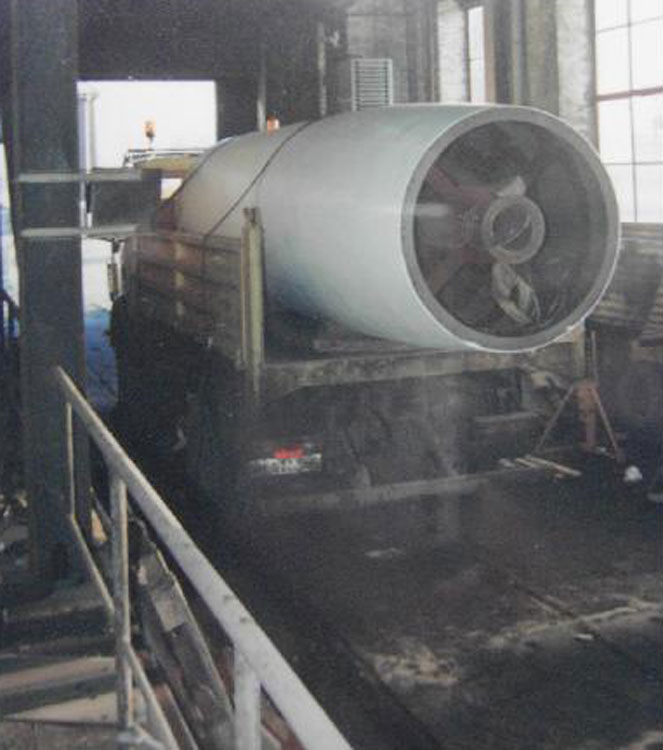
   Built at the Peenewerft Wolgast shipyard, the replica launch table and V-2 stand as a reminder of Peenemünde's turbulent history. When the research facility was evacuated in early 1945, only key personnel and usable equipment were transferred to Nordhausen. The rest was abandoned, destroyed, or buried. By the time the Red Army arrived in May, the site was already stripped of its most valuable assets. What remained was dismantled, shipped east, or demolished under the Potsdam Agreement. In the late 1940s, Peenemünde's giant test stands were blown apart, and its workshops emptied. The birthplace of the V-2 was reduced to rubble on the Baltic shore.


   For the next four decades, the area lay hidden behind military fences. In the 1950s, the East German Navy (Volksmarine) converted the harbor into a base, while Karlshagen, once a bustling settlement of scientists and workers, was cleared and left in fragments. By the early 1960s, Peenemünde West was reactivated as an East German Air Force base, housing MiG fighter squadrons until their final flights in 1990.

   Meanwhile, many of the wartime barracks and worker camps were demolished, the stone was reused elsewhere, and much of the peninsula disappeared into a closed military landscape. Civilians were barred, the ruins scavenged, and the history of rocket development deliberately ignored in official accounts. The site existed only as a strategic outpost of the German Democratic Republic (GDR), its past silenced behind barbed wire and armed patrols.
.


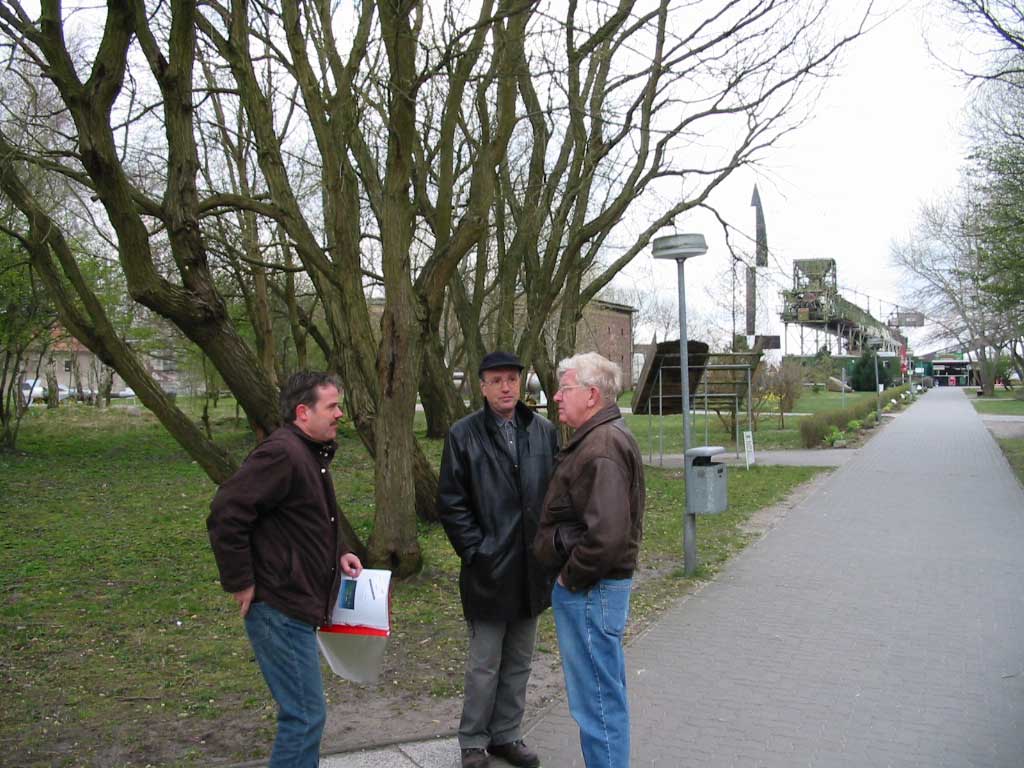
   Only after the fall of the Berlin Wall and German reunification in 1990 did Peenemünde step out of decades of obscurity. For forty-five years the peninsula had been locked away behind military fences, its ruins left to crumble in silence. When the East German armed forces finally withdrew, a new chapter began. Munitions experts moved in to clear the grounds, uncovering forgotten relics: shattered concrete, rusting equipment, and fragments of the rockets that once made Peenemünde a place of significance. These discoveries were complemented by the memories of surviving witnesses such as Reinhold Krüger, whose firsthand knowledge helped researchers and historians make sense of the landscape. Their combined efforts ensured that the site’s history would not be lost a second time.
-
   In 1991, a modest exhibition was established in the guard bunker of the old power plant. Though small in scale, this opening marked the birth of the Historisch-Technische Museum Peenemünde. What began with a few rooms of artifacts and eyewitness accounts quickly grew as interest swelled, both among local residents and international visitors eager to understand the legacy of the site. Over the following years, the museum expanded into a world-class institution. Today, it spans thousands of square meters, welcoming well over a hundred thousand guests annually, and is recognized as one of Germany’s leading technical-historical museums. From its humble beginnings in a single bunker, Peenemünde has become a place of remembrance, reflection, and education—an institution dedicated to preserving the complex history of both technological achievement and human tragedy.   >> MORE INFORMATION

1994-1995 REPLICA CONSTRUCTION


2009 REFURBISHMENT AND MOVE TO OPEN AIR GROUNDS


PHOTOS THROUGH THE YEARS


   The museum continues to expand its exhibitions, keeping alive both the scientific and human history of the site. Its newest permanent installationThe Fragment Rocketpresents a reconstructed V-2 made entirely of original components recovered from the test grounds. Unlike the pristine modern replica, this display preserves the pieces exactly as they were found—corroded, incomplete, and scarred by history. The parts come from different test series, some never fired, and others recovered from spent missiles. Assembled in the form of a rocket, these fragments embody both the failures of the wartime weapons program and the first steps toward spaceflight. Together, the replica outside and the fragment inside invite visitors to reflect on Peenemünde's complex legacy: destruction and innovation, war and memory, endings and beginnings.

FRAGMENT ROCKET EXHIBIT, THOMAS KÖHLER 2024


-


-
ORIGINAL CONSTRUCTION, 1995


-
ORIGINAL CONSTRUCTION, 1995


-
ORIGINAL CONSTRUCTION, 1995


-
ORIGINAL CONSTRUCTION, 1995


-
CONTRIBUTORS, 1995


-
REPLICA PRESENT DAY


7

Historisch-Technisches Museum
Peenemünde GmbH
Im Kraftwerk, 17449 Peenemünde
https://museum-peenemuende.de/


+49 (0) 38371 5050
htm@peenemuende.de


Opening hours:
April to September: 10 AM to 6 PM
October to March: 10 AM to 4 PM
November to March: Closed on Mondays